
 5 minutes
With the increasing severity of global energy crises and environmental issues, the development and application of clean energy have become the focal point of governments and research institutions worldwide. Pyrolysis technology, as an advanced energy conversion technology, plays a significant role in the production, utilization, and optimization of clean energy. It not only provides an effective way for waste recycling but also supports the generation of clean energy and the development of alternative energy sources.
1. Introduction to Pyrolysis Technology
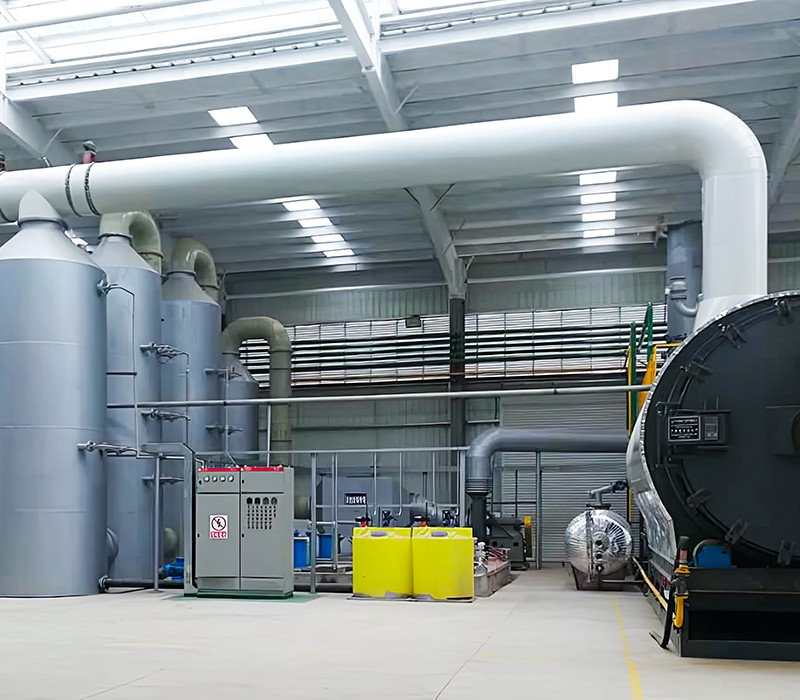
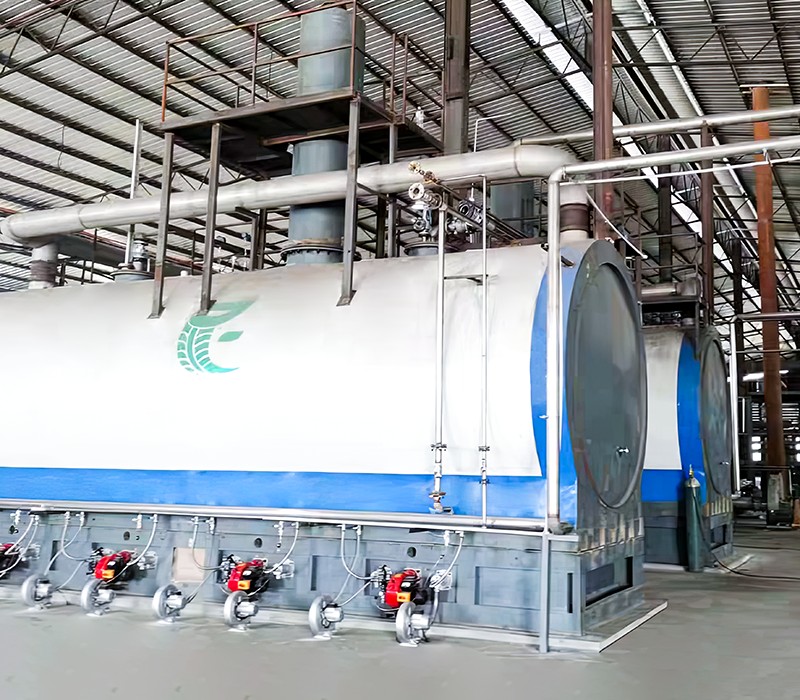
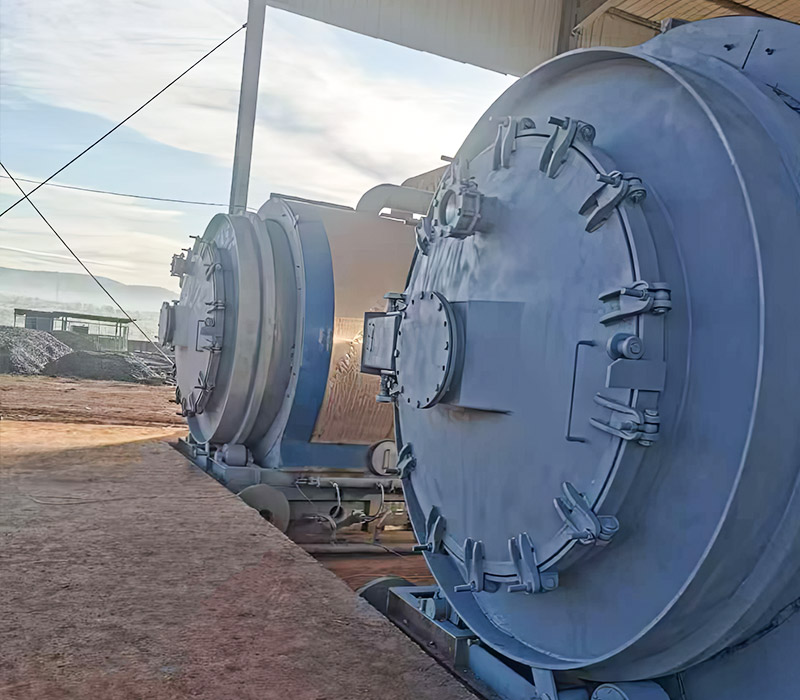
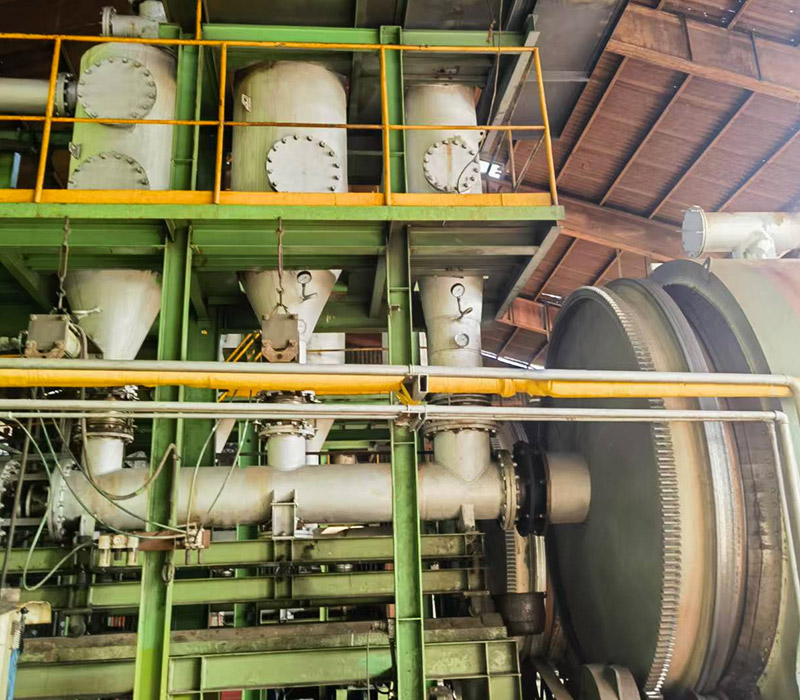
Pyrolysis technology is a process that decomposes organic materials into gases, liquids, and solid products through heating in an oxygen-free or low-oxygen environment. Specifically, pyrolysis typically involves the following steps: First, organic substances in waste materials are decomposed at high temperatures into combustible gases, liquid fuels (such as diesel and gasoline), and solid residues (such as carbon black). The gaseous and liquid products can be used directly as fuels or further processed into more efficient energy forms. The solid carbon residue can be used as a soil enhancer or in other industrial applications.
2. The Contribution of Pyrolysis Technology to Clean Energy Development
Resource Utilization of Waste
Through the efficient conversion of waste materials (such as waste plastics, rubber, tires, etc.), pyrolysis not only reduces environmental pollution but also effectively utilizes the organic components in these waste materials, turning them into useful energy. By pyrolysis, combustible materials in waste can be converted into gas and liquid fuels, providing reliable raw materials for the production of clean energy.
Promotion of Alternative Energy Development
The liquid fuels produced during pyrolysis, such as biodiesel and bio-oil, have relatively high calorific values and can serve as substitutes for traditional fossil fuels, reducing dependence on non-renewable energy sources such as oil and natural gas. Compared with conventional energy sources, the fuels produced by pyrolysis have lower carbon emissions and can be produced from biomass waste or waste plastics, aligning with the concept of sustainable development.
Reduction of Carbon Dioxide Emissions
Pyrolysis technology has the potential to reduce greenhouse gas emissions. By converting organic waste into energy, pyrolysis is more environmentally friendly than traditional methods like incineration or landfilling. Especially when applied on a large scale, pyrolysis not only reduces the accumulation of waste but also helps decrease carbon dioxide emissions by generating alternative fuels, thus reducing reliance on fossil fuels.
Energy Diversification and Sustainable Development
Pyrolysis technology promotes the diversification of clean energy development. By effectively recycling and converting waste, pyrolysis not only provides more options for clean energy supply but also helps achieve the sustainable use of energy. By optimizing pyrolysis technology, energy conversion efficiency can be significantly improved, further reducing the carbon footprint of energy production and driving innovation in the clean energy sector.
3. Conclusion
As an innovative energy conversion technology, pyrolysis plays a crucial strategic role in the production, development, and optimization of clean energy. It not only provides a new solution for the resource utilization of waste but also offers strong support for the development of alternative energy, the reduction of greenhouse gases, and the construction of sustainable energy systems. With continuous technological advancements, pyrolysis will play an even more important role in the future transition to clean energy.






Let's Pyrolysis!


 +44 7529 150720
  [email protected]
  300 meters east of the South Railway Station in Shangqiu City, Henan Province
  Global Waste-to-Energy Solutions Waste Resource Utilization Equipment Manufacturer

 Profit Calculator
 English
 русский
 Français
 Español
 عربى
عربى