
 5 minutes
Pyrolysis technology, as a vital chemical process, has roots that trace back to humanity’s earliest use of fire. Over the centuries, it has evolved from simple wood carbonization to modern waste management and energy production technologies, reflecting significant progress from basic chemical reactions to efficient resource utilization.
Ancient Era: Early Applications of Pyrolysis
The earliest applications of pyrolysis date back to ancient times when humans heated wood to produce charcoal for metallurgy and heating. Civilizations like Ancient Egypt and China documented wood carbonization processes for fuel production and activated carbon preparation. During this period, pyrolysis relied on natural high-temperature conditions, lacking scientific control and theoretical understanding.
18th-19th Century: The Rise of the Chemical Industry
During the Industrial Revolution, as the chemical industry expanded, pyrolysis technology began to be applied to the dry distillation of coal to produce coke and the extraction of benzene, toluene, and other chemicals from coal tar. This marked a shift from simple fuel production to chemical manufacturing, laying the groundwork for the modern chemical industry.
20th Century: Technological Advancements and Diversified Applications
In the 20th century, pyrolysis technology witnessed significant innovations:
1. Biomass Pyrolysis: Researchers explored pyrolysis of agricultural and forestry waste to produce bio-oil and biochar.
2. Waste Management: As global waste problems intensified, pyrolysis was applied to process non-biodegradable waste such as plastics and tires, converting them into energy and raw materials.
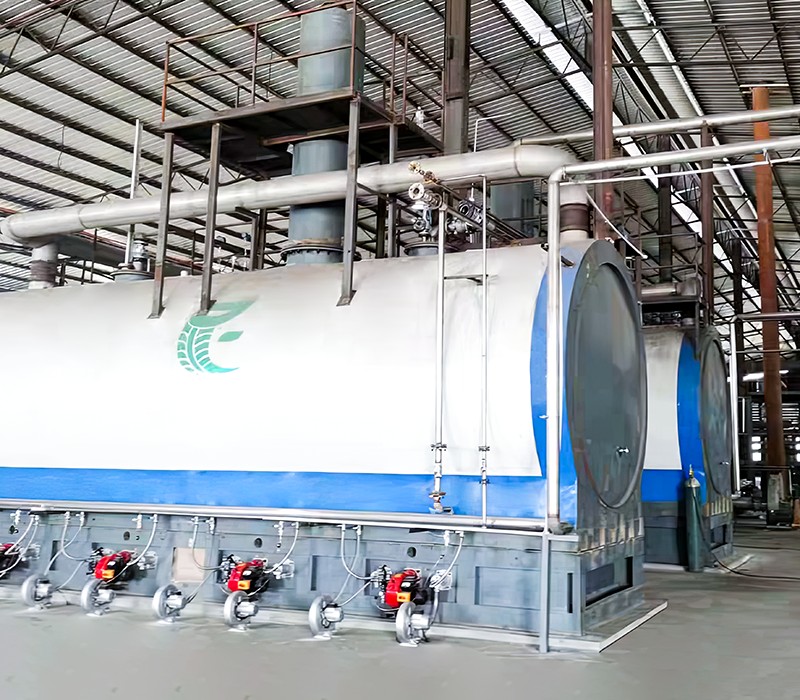
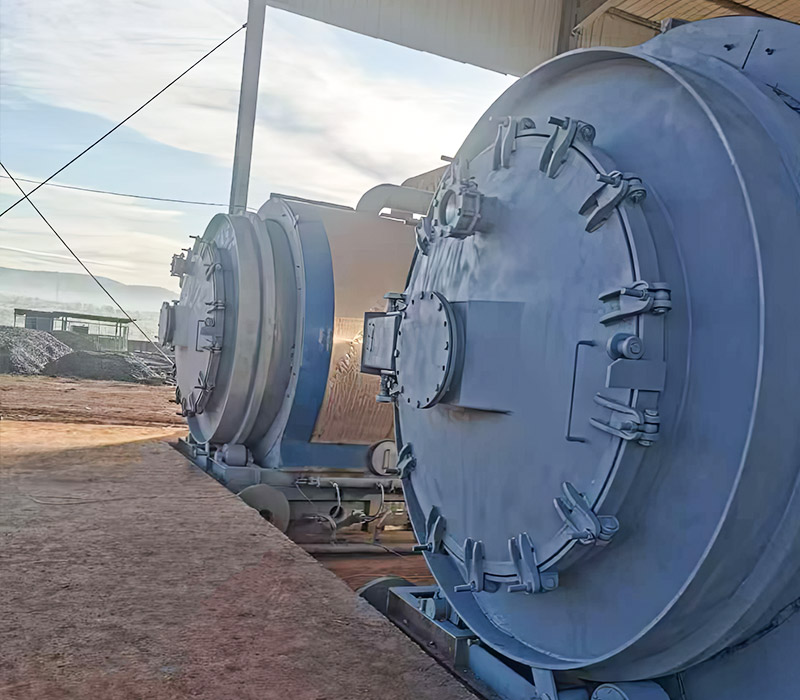
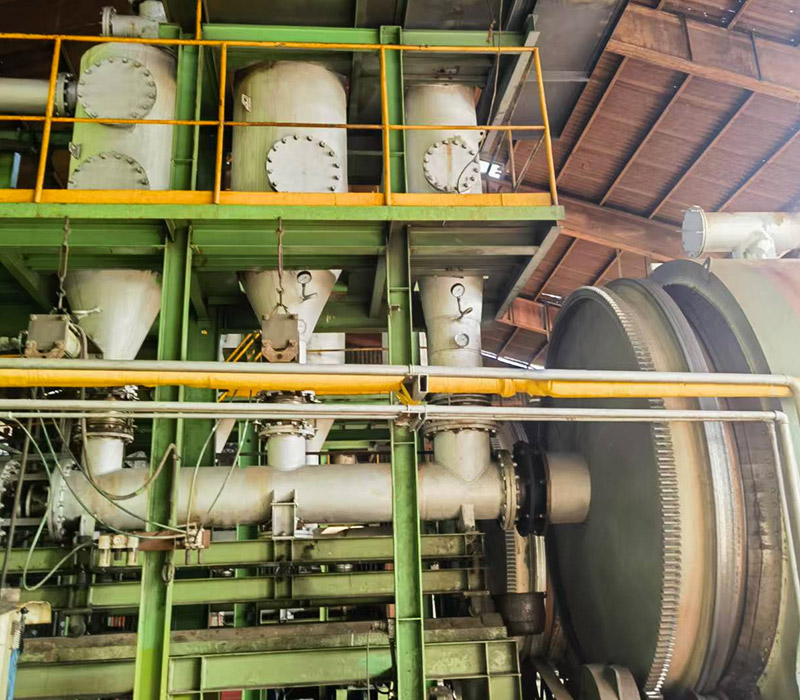
3. Reactor Design: The development of fluidized beds, fixed beds, and rotary kilns significantly improved the efficiency and quality of pyrolysis processes.
21st Century: Transition to Efficiency and Environmental Sustainability
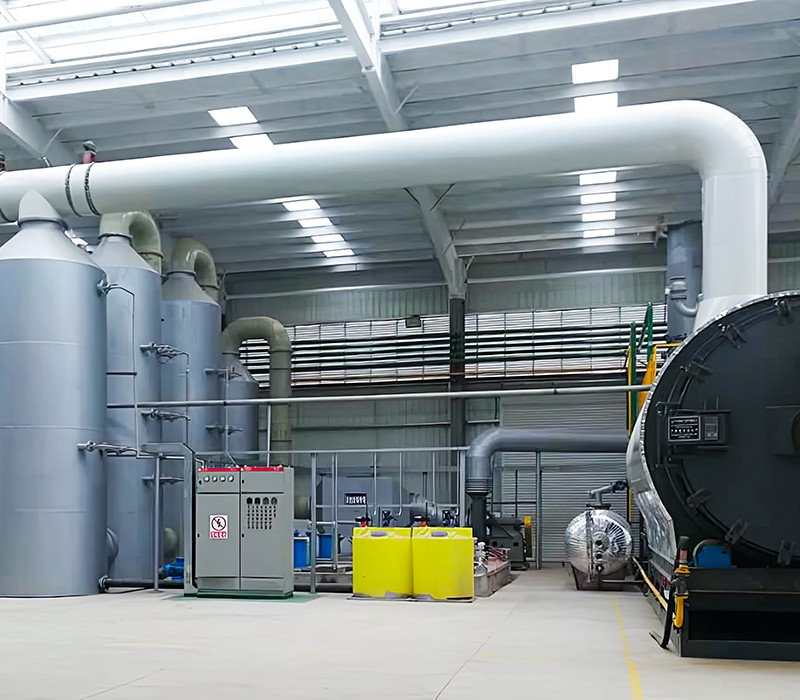
Driven by global sustainability and carbon neutrality goals, pyrolysis technology has entered a new phase focused on efficiency and eco-friendliness. Modern pyrolysis systems equipped with intelligent control technologies and advanced catalysts achieve low energy consumption and high yield resource conversion. Moreover, the applications of pyrolysis products have become more diverse, including renewable energy, soil amendments, and high-value chemicals.
Future Prospects
Looking ahead, pyrolysis technology is expected to advance in the following areas:
1. Green Energy: Pyrolysis will provide new possibilities for clean energy production.
2. Circular Economy: Pyrolysis will enable efficient resource utilization from waste, supporting the construction of circular economic systems.
3. Technological Integration: The integration of artificial intelligence, big data, and other modern technologies will further optimize pyrolysis process control and efficiency.
The historical development of pyrolysis technology not only demonstrates humanity’s improved utilization of natural resources but also highlights the critical role of science and technology in driving sustainable development.






Let's Pyrolysis!


 +44 7529 150720
  [email protected]
  300 meters east of the South Railway Station in Shangqiu City, Henan Province
  Global Waste-to-Energy Solutions Waste Resource Utilization Equipment Manufacturer

 Profit Calculator
 English
 русский
 Français
 Español
 عربى
عربى