
 5 minutes
Pyrolysis is an essential thermochemical decomposition technology that breaks down organic materials into smaller molecular compounds through heating in an oxygen-free or low-oxygen environment. This process not only addresses waste management but also produces valuable products, making it widely used in resource recovery and energy regeneration fields.
Basic Principles of Pyrolysis
The core principle of pyrolysis is to decompose large organic molecules into gases, liquids, and solids using high temperatures. Specifically:
1. Gases: Mainly include hydrogen, methane, carbon monoxide, and carbon dioxide, which can be used as fuels or chemical raw materials.
2. Liquids: Primarily pyrolysis oil, also known as bio-oil or fuel oil, which can be used as industrial fuel, energy supply, or further processed into chemicals.
3. Solids: Typically consist of carbon black or solid residues, which can serve as soil conditioners, adsorbents, or fuel.
The pyrolysis process usually operates at temperatures ranging from 300°C to 900°C. Different temperatures and reaction conditions influence the distribution of products. For example, higher temperatures tend to produce more gases, while medium-to-low temperatures are more suitable for producing liquid oils.
Applications of Pyrolysis Technology
Waste Management:
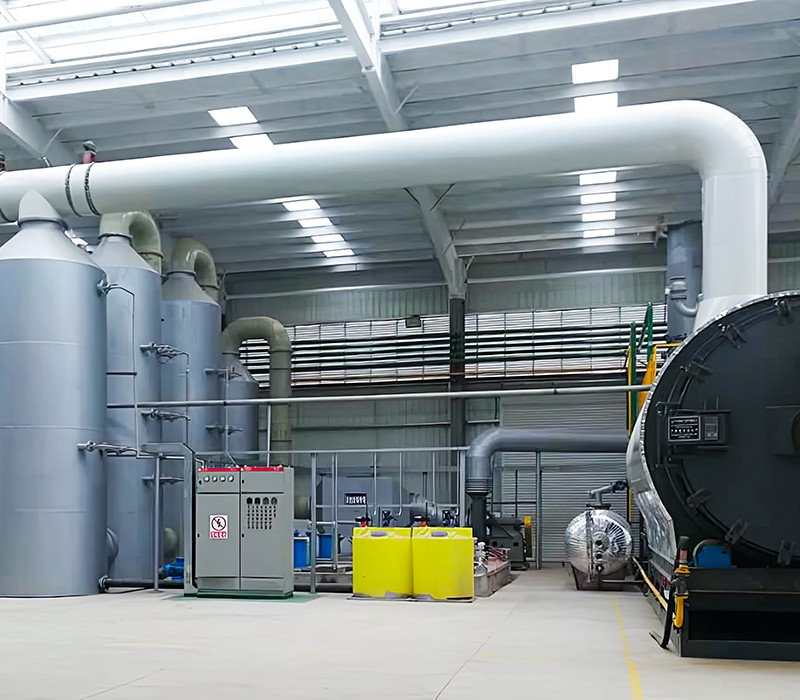
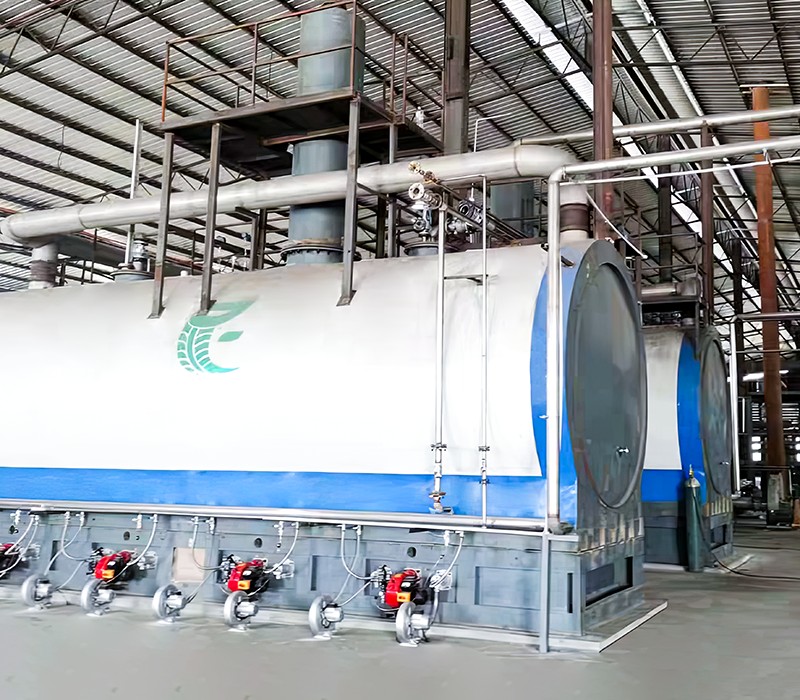
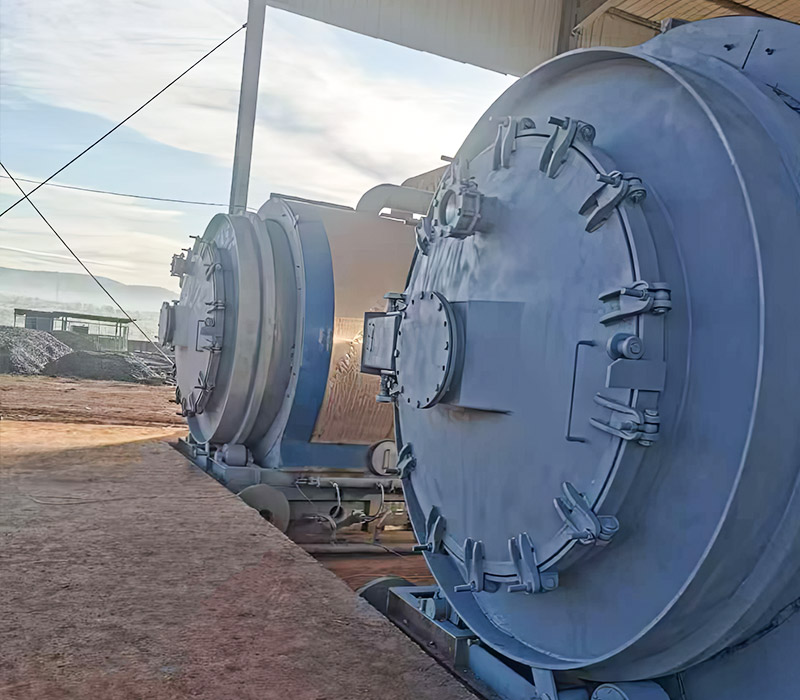
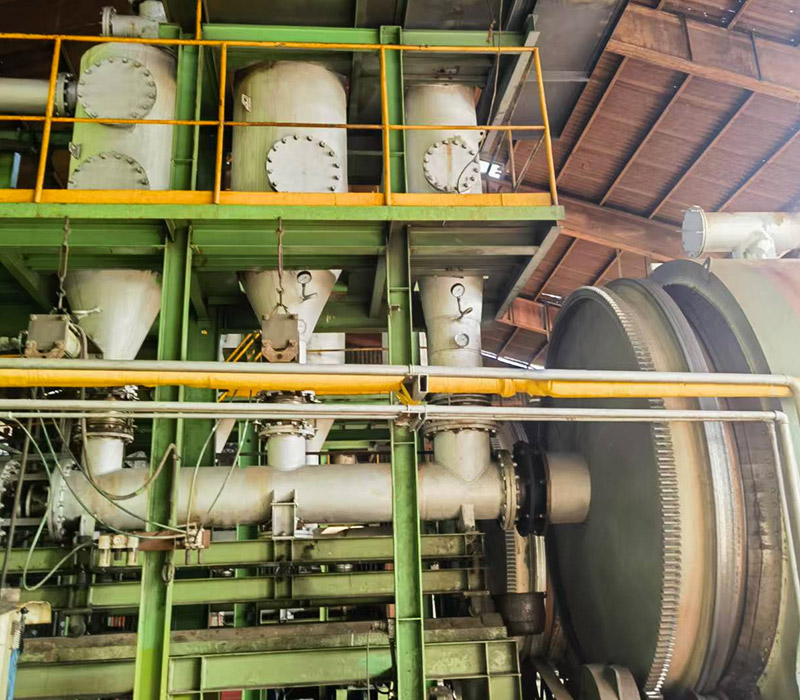
Pyrolysis technology is widely used to treat waste tires, plastics, and municipal solid waste. These materials can be converted into fuel oil, carbon black, and other valuable resources through pyrolysis, promoting resource utilization and reducing the environmental impact of landfilling and incineration.
Biomass Energy Development:
Biomass materials (e.g., agricultural and forestry waste, straw, and wood chips) can undergo pyrolysis to produce bio-oil and biochar, providing a pathway for clean energy development.
Additionally, biochar improves soil structure and serves as a carbon sequestration agent, offering ecological benefits.
Industrial Chemical Production:
Pyrolysis is also used to extract specific chemicals from petrochemical raw materials. For example, gases derived from the pyrolysis of waste plastics can be separated into industrial chemical precursors like ethylene and propylene.
Energy Regeneration:
The liquid fuel and gas produced by pyrolysis can be directly used as fuel for power generation or heating, helping to address the shortage of traditional fossil energy.
Future Directions
With increasing environmental requirements and continuous technological advancements, pyrolysis technology is evolving towards greater efficiency and eco-friendliness. Developments in advanced catalysts, novel reactor designs, and integration with other processes (e.g., gasification, combustion) are expected to further expand the scope and economic potential of pyrolysis applications.
In conclusion, with its efficiency, environmental benefits, and potential for resource recovery, pyrolysis technology is becoming a critical driver of sustainable development, contributing significantly to circular economies and carbon neutrality goals.






Let's Pyrolysis!


 +44 7529 150720
  [email protected]
  300 meters east of the South Railway Station in Shangqiu City, Henan Province
  Global Waste-to-Energy Solutions Waste Resource Utilization Equipment Manufacturer

 Profit Calculator
 English
 русский
 Français
 Español
 عربى
عربى