
 8 minutes
With the growing demand for waste management and resource recycling, pyrolysis technology has become an effective method for waste treatment and energy recovery. It is widely applied in handling waste tires, plastics, waste oils, and other materials. To ensure the efficient, safe, and sustainable operation of pyrolysis equipment, technical standardization is crucial.
1. Importance of Technical Standardization of Pyrolysis Equipment
The technical standardization of pyrolysis equipment aims to provide unified technical specifications for the design, manufacturing, installation, and operation of the equipment. Standardization ensures that equipment from different manufacturers meets the same performance and safety standards, guaranteeing efficiency, reliability, and environmental friendliness. This not only enhances the market competitiveness of the equipment but also promotes the healthy development of the industry.
2. Main Technical Standards for Pyrolysis Equipment
Processing Capacity and Efficiency
The design of pyrolysis equipment needs to consider processing capacity and energy utilization efficiency. Standardized processing capacity parameters ensure that equipment performs optimally under different production scales. For example, the processing volume is usually measured in "tons/day" and must meet specific energy consumption standards.
Environmental Emission Standards
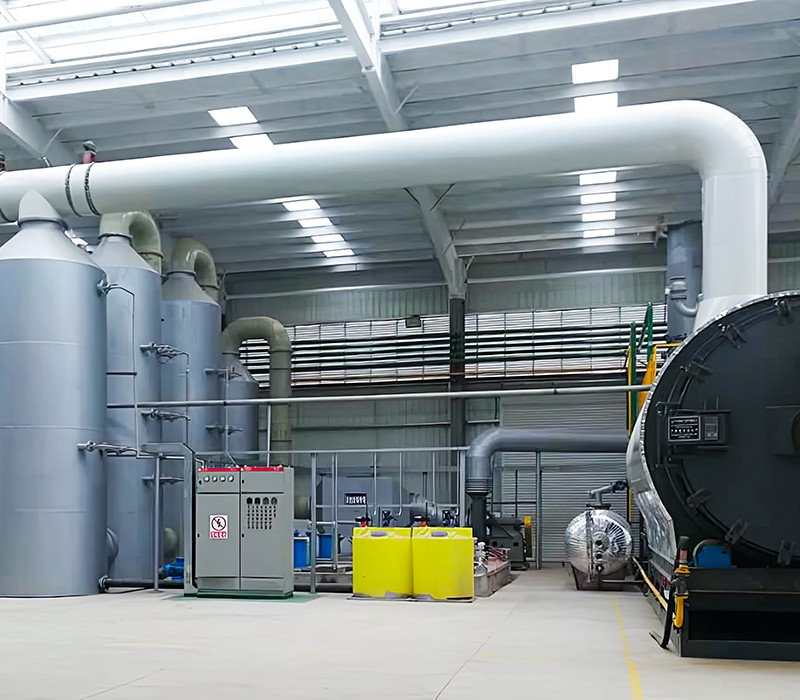
During pyrolysis, gases and smoke are generated, so the equipment must comply with environmental regulations and emission standards. Standardization requires the equipment to be equipped with gas purification systems, such as desulfurization, denitrification, and dust removal devices, ensuring emissions meet or are below national environmental standards.
Materials and Structural Standards
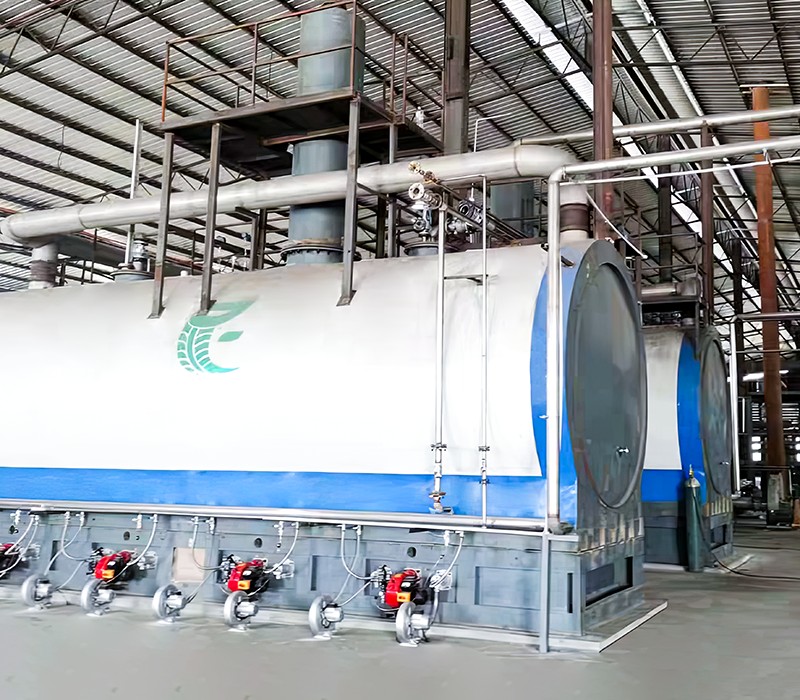
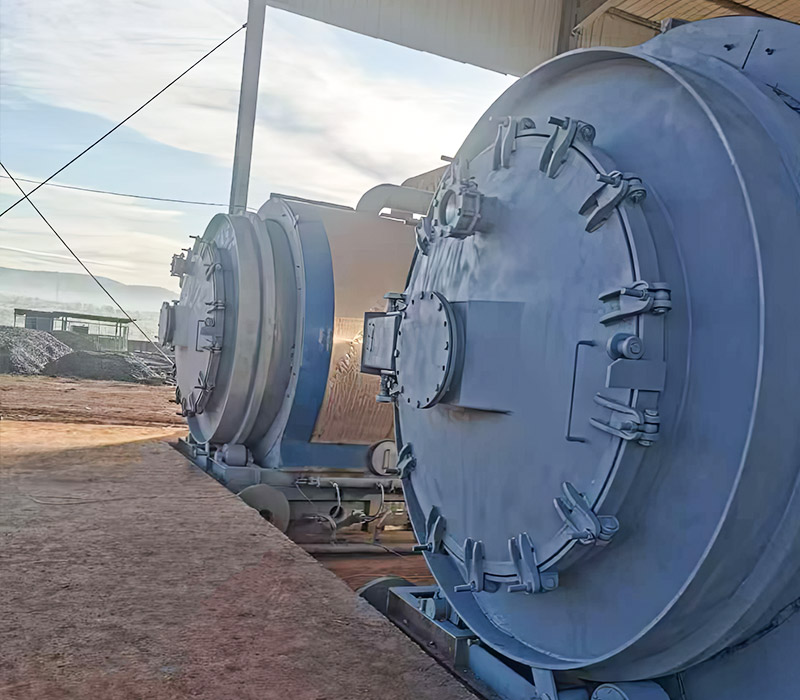
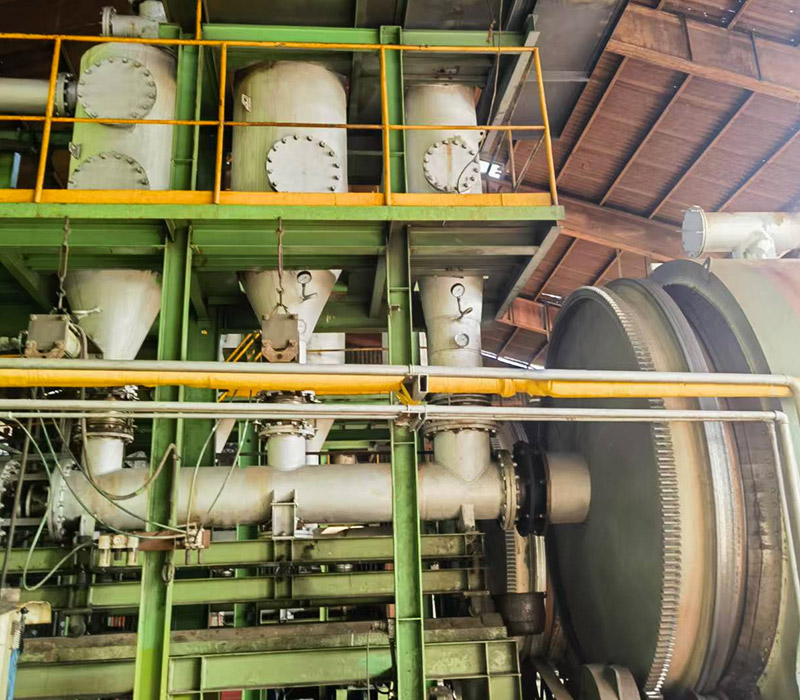
Pyrolysis equipment should be made from high-temperature and corrosion-resistant materials to ensure stable long-term operation. Standardization specifies that material selection must meet particular technical requirements, such as high-temperature steel and corrosion-resistant alloys, and ensure the safety and reliability of the equipment structure.
Safety Standards
Pyrolysis equipment requires safety measures, such as explosion-proof and fire-proof features. Standardization specifies safety devices, like pressure relief valves and monitoring systems, to handle high-temperature and high-pressure operating conditions.
Automation and Smart Control
With advancements in technology, modern pyrolysis equipment increasingly relies on automation and smart control systems. Standardization requires equipment to have automated functions, such as temperature and pressure control, fault detection, and real-time monitoring, ensuring stable operation and ease of use.
3. Challenges in Technical Standardization of Pyrolysis Equipment
Although significant progress has been made in the standardization of pyrolysis equipment, challenges still remain. Differences in environmental regulations across regions, the pace of technological innovation, and the varying performance requirements for different types of waste materials may affect the unification of standards. Moreover, the development and implementation of standards require the joint effort of industry associations, government agencies, and enterprises.
4. Conclusion
The technical standardization of pyrolysis equipment is essential for the development of the industry. Through standardization, we can improve the technical level of equipment, ensure safety, reduce environmental risks, and promote the efficient use of resources. As global attention to environmental protection and sustainable development continues to rise, the technical standardization of pyrolysis equipment will become a future trend, supporting green waste treatment and resource utilization.






Let's Pyrolysis!


 +44 7529 150720
  [email protected]
  300 meters east of the South Railway Station in Shangqiu City, Henan Province
  Global Waste-to-Energy Solutions Waste Resource Utilization Equipment Manufacturer

 Profit Calculator
 English
 русский
 Français
 Español
 عربى
عربى