
 8 minutes
1. Overview of Pyrolysis Product Life Cycle
Pyrolysis technology has a wide range of applications, not only converting waste into usable energy (such as oil, gas, and carbon black) but also promoting waste recycling, energy production, and reducing environmental pollution. However, life cycle management (LCM) of pyrolysis products is a complex and multidimensional process, requiring comprehensive planning and management from raw material procurement, production, use, maintenance, to final disposal.
The core of life cycle management is ensuring that the environmental impact of pyrolysis products is minimized while maximizing resource efficiency throughout their life cycle. This process requires not only technological innovation but also the integration of policies, regulations, and market demands. Through scientific life cycle assessments, businesses can effectively identify environmental risks and opportunities at each stage, taking appropriate measures to reduce negative impacts and enhance both economic and environmental value.
2. Stages in the Life Cycle of Pyrolysis Products
(1) Raw Material Procurement and Preprocessing:
The life cycle of pyrolysis products begins with raw material procurement. Raw materials for pyrolysis usually include waste such as used tires, plastic waste, agricultural and forestry residues, etc. Ensuring the sustainable supply of raw materials and the efficiency of preprocessing is crucial. Effective material recycling, sorting, and processing can significantly improve the pyrolysis process's efficiency and reduce environmental impact.
For example, used tires need to undergo steel wire removal before pyrolysis to prevent damage to equipment. The different characteristics of raw materials, such as moisture content, composition, and particle size, can also impact the pyrolysis results. Therefore, ensuring that the materials selected and the preprocessing methods align with the pyrolysis equipment is essential to maximize product quality and yield.
(2) Pyrolysis Process and Product Generation:
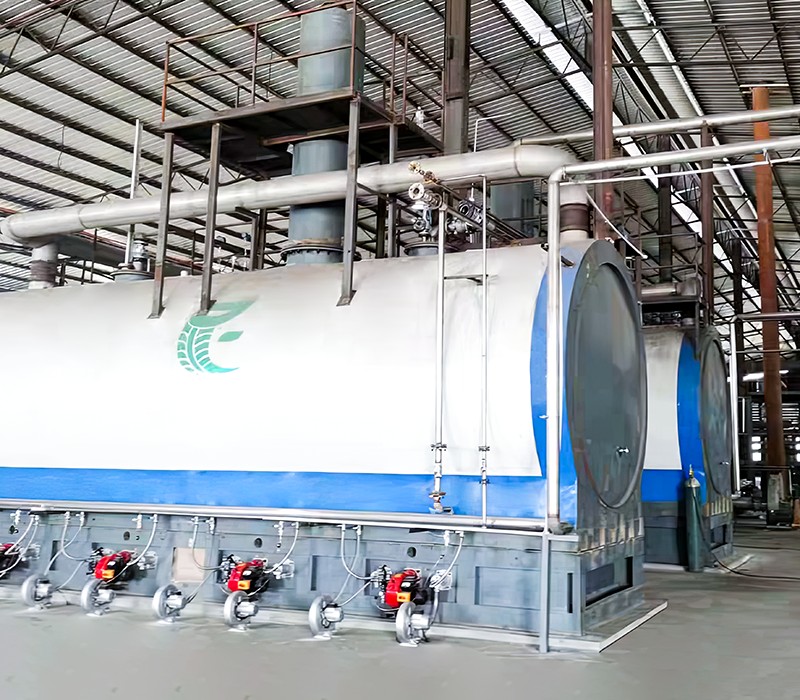
During the pyrolysis process, waste is converted into gas, liquid, and solid products through high-temperature decomposition in an oxygen-free environment. Key products include:
● Liquid Fuels: Can replace oil and natural gas for energy use.
● Gases: Primarily combustible gases like methane and ethylene, which can be used for power generation or thermal energy recovery.
● Carbon Black: Used in industrial manufacturing, especially in rubber, plastics, and other products.
The quality of pyrolysis products depends directly on reaction conditions, equipment types, and the use of catalysts. Therefore, efficient management of production processes is crucial to ensure stability and high recovery of valuable products.
(3) Product Use and Maintenance:
The use of pyrolysis products involves converting them into energy and chemicals. Liquid fuels can be used in power generation, industrial applications, and transportation, while gases can be used for energy recovery or power generation. Carbon black is widely used in rubber, plastics, and dyes.
However, the stability of product quality, performance durability, and equipment maintenance are vital during this stage. To maintain the consistent quality of the products, regular maintenance of the pyrolysis equipment and optimization of the reaction process are necessary to ensure high product yield and quality.
(4) Product Recycling and Reuse:
Recycling and reuse of pyrolysis products are essential components of life cycle management. With the growing adoption of the circular economy model, more and more pyrolysis products are being recycled and reused. Carbon black, liquid fuel, and combustible gases have high recycling potential and can be used again for energy production and chemical synthesis.
Moreover, discarded pyrolysis equipment and products also need to be disposed of through environmentally friendly methods. The recycling of metals and other materials from pyrolysis equipment is important, while non-reusable parts require professional treatment to avoid environmental pollution.
(5) Disposal and End-of-Life:
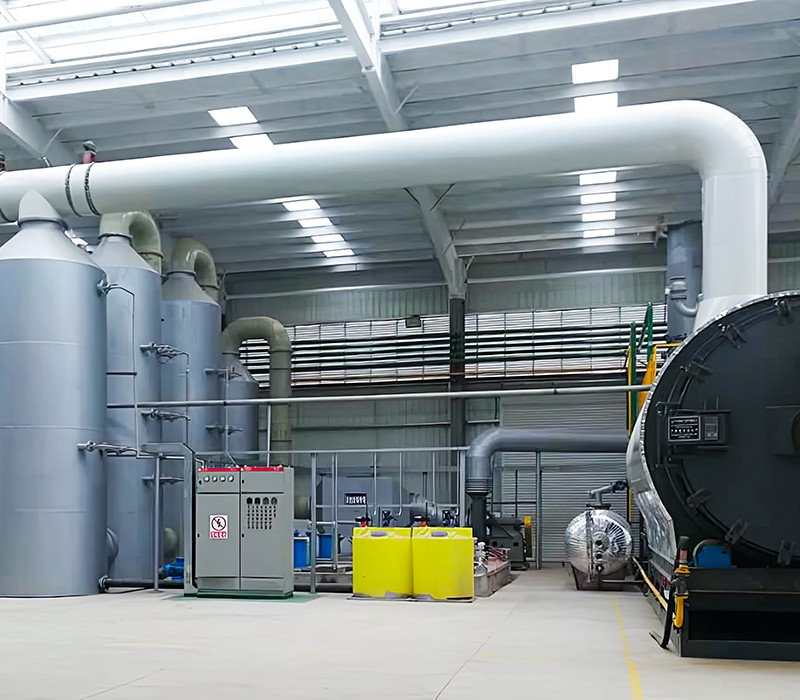
While pyrolysis technology can convert waste into usable resources, some non-recyclable waste still needs to be managed. The disposal of these wastes must comply with environmental protection standards. For instance, the gas treatment system must effectively remove harmful emissions to ensure air quality.
Furthermore, at the end of their lifecycle, the pyrolysis equipment itself must be dismantled and recycled. Metals and other materials can be reused, while other non-recyclable components need to be treated in an environmentally responsible manner.
3. Challenges and Opportunities in Life Cycle Management
(1) Managing Environmental Impacts:
There may be significant environmental impacts at certain stages of the pyrolysis product life cycle, such as emissions from the pyrolysis process, waste water, and solid residues. By establishing rigorous monitoring systems and adopting efficient gas treatment technologies, companies can minimize negative environmental impacts.
(2) Cost Control and Resource Efficiency:
A major challenge in life cycle management is how to reduce costs while improving resource efficiency. Increasing raw material recovery rates, optimizing the pyrolysis process, and reducing energy consumption are key measures to improve resource utilization efficiency. Effective technological innovation and management can help reduce production costs and improve profitability.
(3) Market Competition and Regulatory Challenges:
As the pyrolysis industry develops, market competition is intensifying. Additionally, governments are tightening environmental regulations, and companies need to closely monitor policy changes to ensure their products meet the latest environmental standards. Effective compliance management and innovative product development will be key to standing out in the market.
4. Conclusion
Life cycle management of pyrolysis products is a complex, multifaceted process involving every stage, from raw material procurement, production, use, recycling, to final disposal. When managing the life cycle, businesses must consider environmental impacts, resource efficiency, and cost control. Through continuous technological innovation and management optimization, the pyrolysis industry can better achieve sustainable development while creating greater economic and environmental value.






Let's Pyrolysis!


 +44 7529 150720
  [email protected]
  300 meters east of the South Railway Station in Shangqiu City, Henan Province
  Global Waste-to-Energy Solutions Waste Resource Utilization Equipment Manufacturer

 Profit Calculator
 English
 русский
 Français
 Español
 عربى
عربى