
 3 minutes
1. Environmental Benefits of Pyrolysis Technology
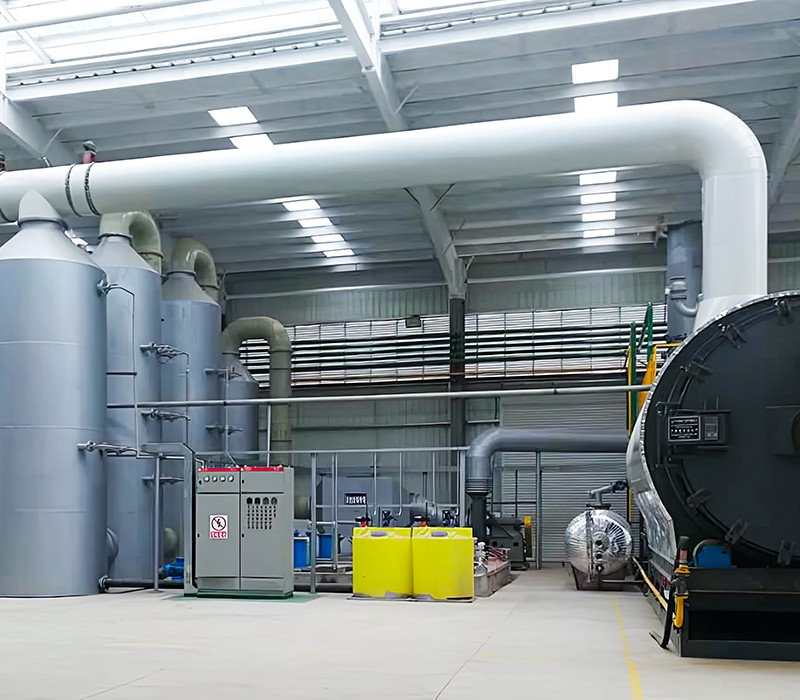
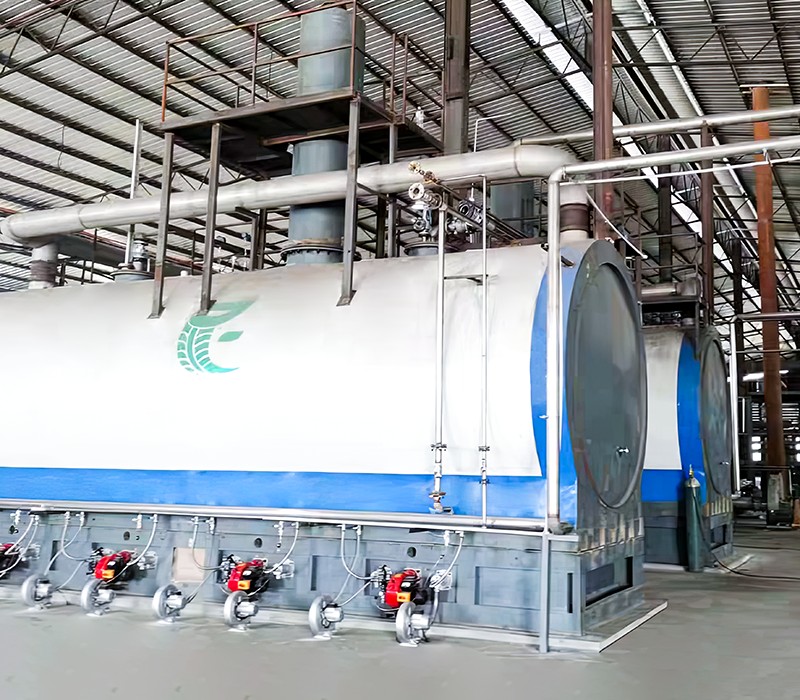
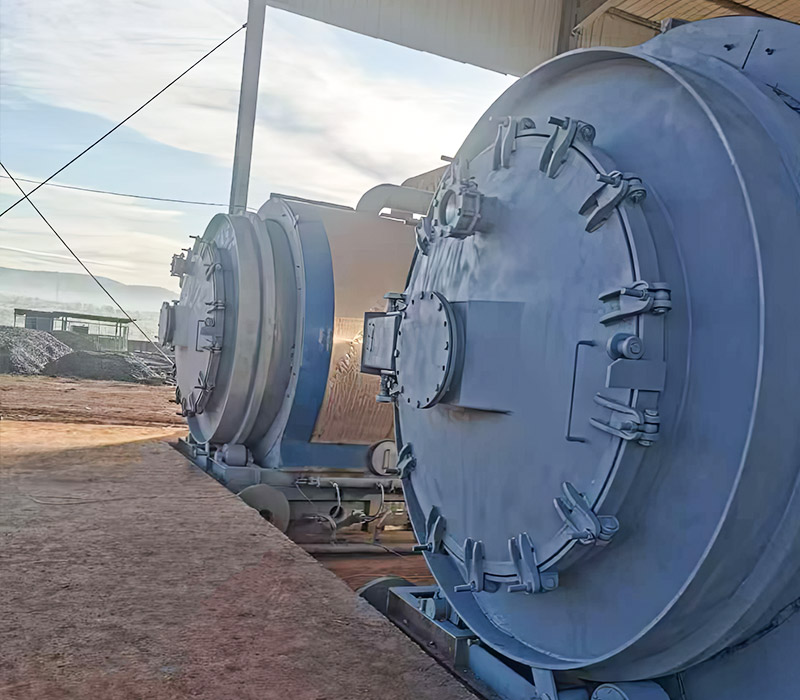
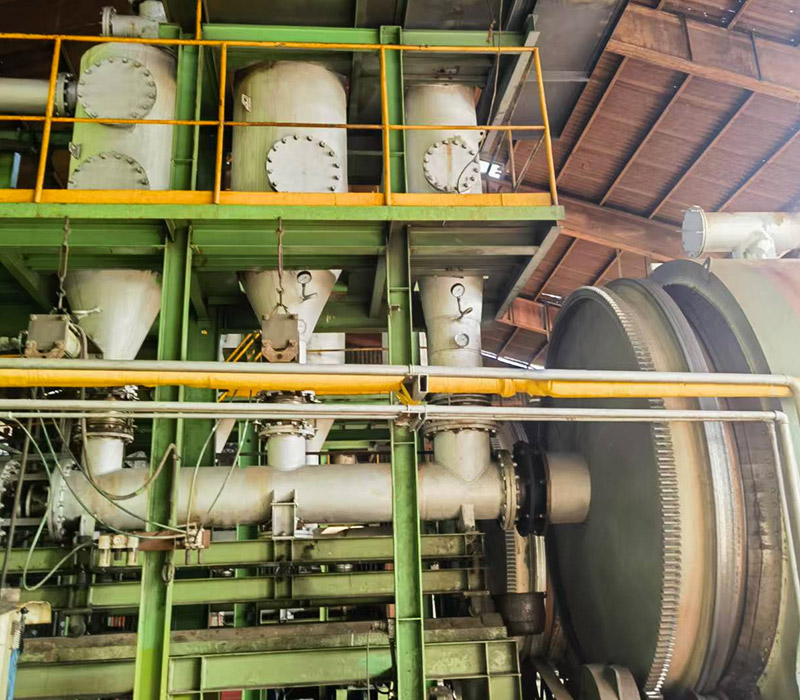
Pyrolysis technology plays a significant role in advancing sustainable development by providing an environmentally friendly way to handle waste. Unlike traditional incineration or landfilling, pyrolysis reduces the volume of waste, converts it into valuable products, and minimizes harmful emissions. By processing materials such as plastics, tires, and agricultural residues, pyrolysis produces bio-oil, syngas, and biochar, which can be used in energy production, soil improvement, and industrial processes. This approach helps reduce landfill usage, decrease pollution, and promote a circular economy by turning waste into resources.
2. Contribution to Renewable Energy
One of the most promising aspects of pyrolysis technology is its contribution to renewable energy production. The syngas produced during pyrolysis can be used for electricity generation, offering a clean alternative to fossil fuels. Additionally, bio-oil can replace petroleum-based fuels in industrial processes, reducing reliance on non-renewable energy sources. By utilizing biomass and waste materials, pyrolysis supports the transition to cleaner energy systems, helping to combat climate change and reduce greenhouse gas emissions. This makes pyrolysis a key technology for achieving global sustainability goals, particularly in areas with limited access to traditional energy resources.
3. Economic and Social Impact
In addition to its environmental benefits, pyrolysis technology also has significant economic and social potential. By creating valuable byproducts, such as biochar, which can improve soil fertility and agricultural productivity, pyrolysis can support sustainable farming practices and enhance food security. Furthermore, the adoption of pyrolysis systems can create new job opportunities in waste management, energy production, and environmental services, contributing to local economies. As more countries embrace pyrolysis technology, it can stimulate green innovation, foster sustainable industries, and drive economic growth in developing regions, making it an essential part of a sustainable future.






Let's Pyrolysis!


 +44 7529 150720
  [email protected]
  300 meters east of the South Railway Station in Shangqiu City, Henan Province
  Global Waste-to-Energy Solutions Waste Resource Utilization Equipment Manufacturer

 Profit Calculator
 English
 русский
 Français
 Español
 عربى
عربى