
 3 minutes
1. Environmental and Safety Standards
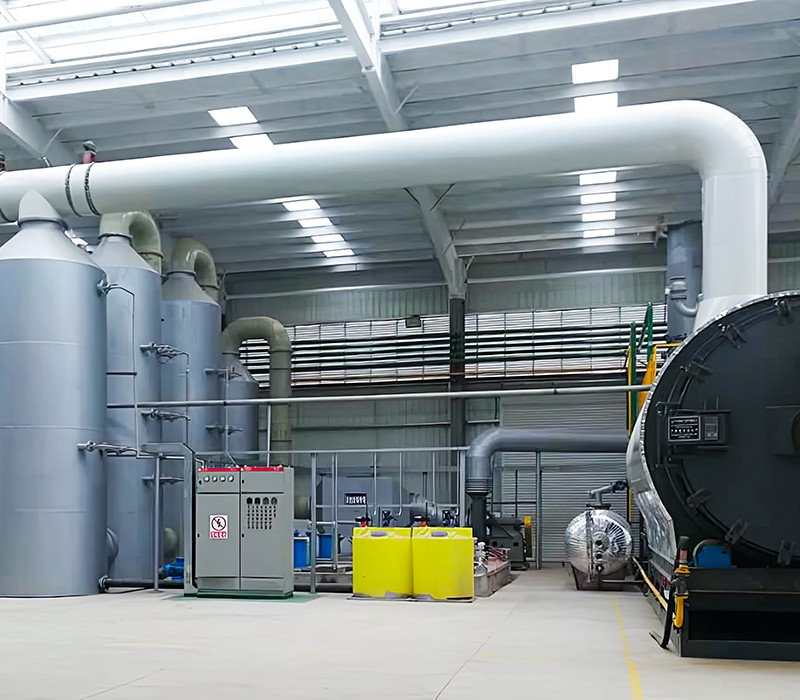
The pyrolysis industry is subject to a variety of environmental and safety standards to ensure that operations are conducted in a sustainable and safe manner. One of the key regulations involves controlling emissions, particularly the release of harmful gases like carbon monoxide, volatile organic compounds (VOCs), and particulate matter. Pyrolysis plants must adhere to strict emission limits set by regulatory bodies such as the Environmental Protection Agency (EPA) in the U.S. or the European Environment Agency (EEA). Additionally, safety standards, including proper storage of chemicals, fire prevention measures, and employee protective equipment (PPE), are essential to minimize risks associated with high-temperature processes and the handling of flammable materials.
2. Quality and Product Standards
In addition to environmental and safety requirements, the pyrolysis industry is also governed by product quality standards. For example, the bio-oil, syngas, and biochar produced during pyrolysis must meet certain specifications to be deemed commercially viable. Organizations such as ASTM International and ISO (International Organization for Standardization) have established standards for the quality and composition of these products. These standards ensure that pyrolysis products are safe for use in various applications, such as energy generation, agriculture, and manufacturing. Adhering to these quality standards is essential for maintaining market credibility and ensuring product consistency.
3. Technological and Operational Standards
As pyrolysis technology continues to evolve, operational and technological standards are becoming increasingly important. These standards cover aspects such as system design, operational efficiency, and the integration of renewable energy sources. Standards like ISO 9001 for quality management and ISO 14001 for environmental management provide guidelines for optimizing the performance of pyrolysis systems and minimizing their environmental impact. Additionally, developing and adhering to best practices in system operation, maintenance, and monitoring ensures long-term efficiency and sustainability. As the pyrolysis industry matures, the development of more comprehensive and harmonized standards will be crucial to promote global adoption and create a safer, more efficient industry.






Let's Pyrolysis!


 +44 7529 150720
  [email protected]
  300 meters east of the South Railway Station in Shangqiu City, Henan Province
  Global Waste-to-Energy Solutions Waste Resource Utilization Equipment Manufacturer

 Profit Calculator
 English
 русский
 Français
 Español
 عربى
عربى