
 10 minutes
With the global focus on sustainability, pyrolysis technology is increasingly seen as a key method for converting waste into valuable resources such as pyrolysis oil, carbon black, and non-condensable gases. As the concept of recycling and environmental protection spreads, the pyrolysis industry chain is gradually taking shape and improving. This article will analyze the industry chain of pyrolysis products, exploring the links from raw material procurement to final product sales, and the interactions and collaboration between these stages.
1. Components of the Pyrolysis Industry Chain
The pyrolysis industry chain involves several stages, from raw material acquisition and processing to final product sales. The efficiency and coordination of each stage directly impact the overall profitability and sustainability of the industry.
Raw Material Supply
Raw materials are the starting point of the pyrolysis industry chain, with common waste materials including used tires, plastics, rubber, oil sludge, and municipal waste. The quality and source of the raw materials directly determine the efficiency of the pyrolysis process and the quality of the products.
1. Waste Tires: As the most commonly used raw material, waste tires are converted into pyrolysis oil, carbon black, and steel wires through pyrolysis.
2. Waste Plastics: Plastic waste, when processed by pyrolysis, yields high-quality pyrolysis oil and carbon black.
3. Oil Sludge and Municipal Waste: These more complex waste materials can also be converted into valuable energy and materials through pyrolysis.
Pyrolysis Equipment
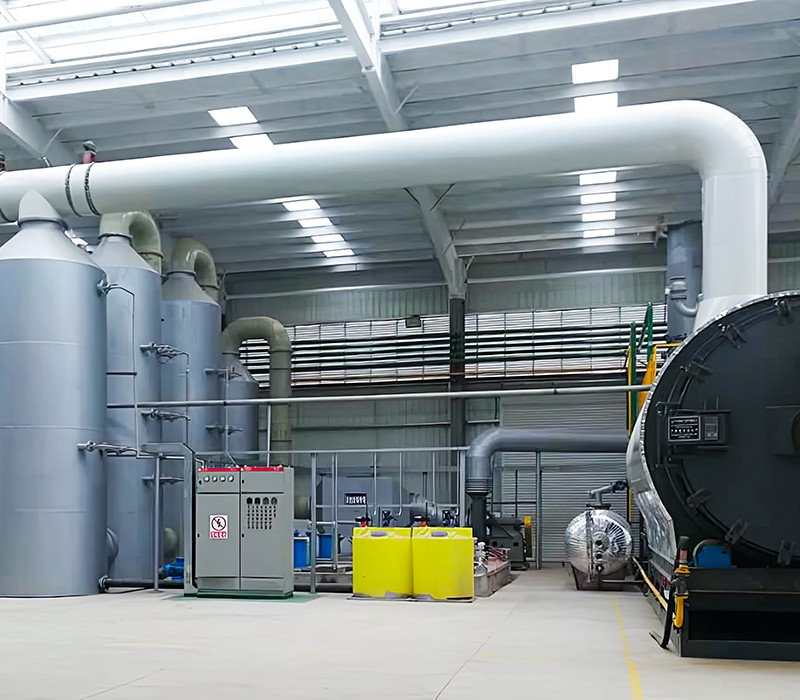
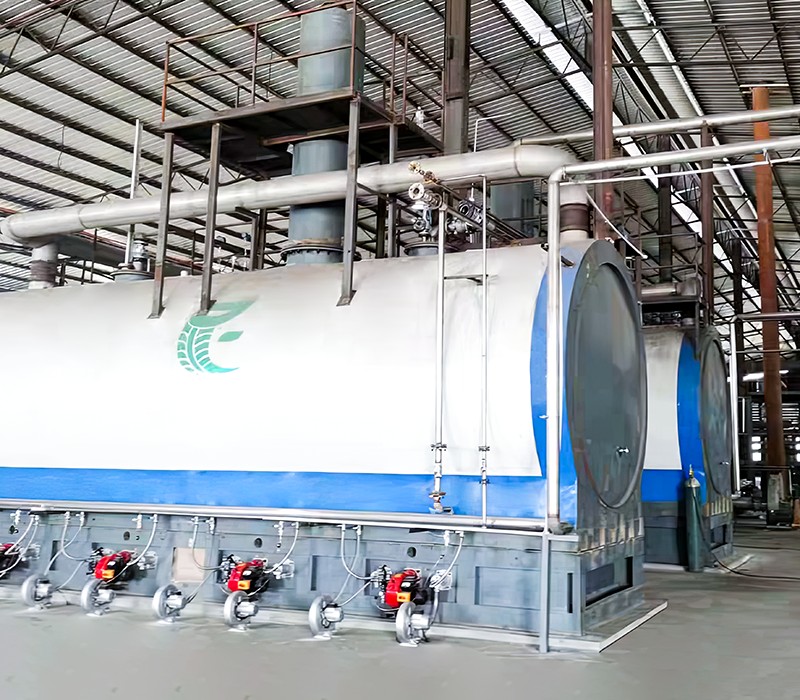
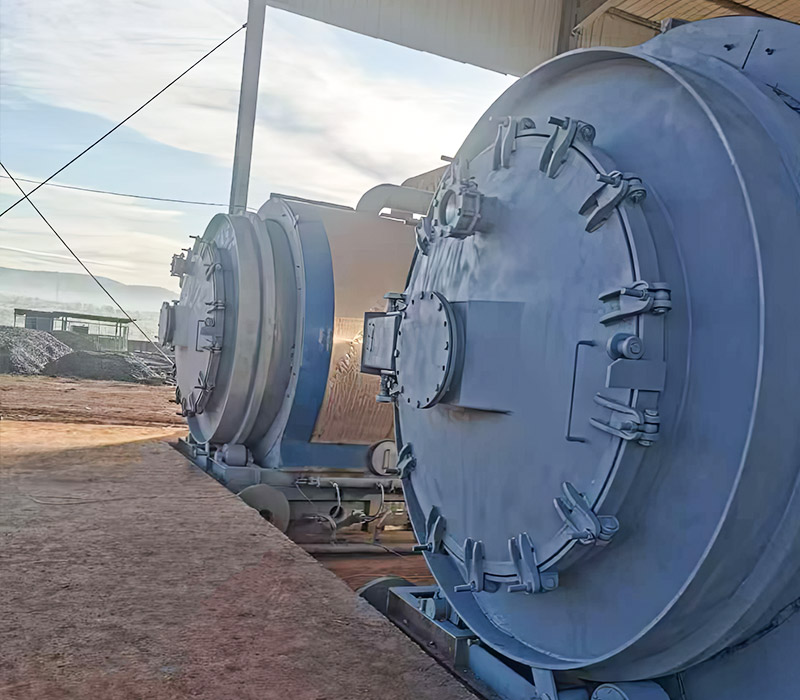
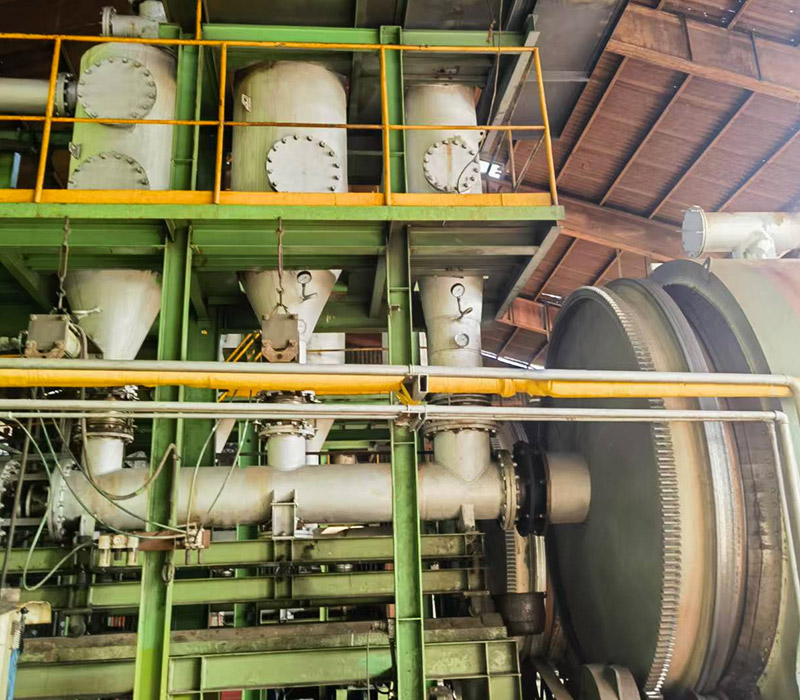
Pyrolysis equipment is the core component of the industry chain. The design and technical level of the equipment determine the efficiency and economic feasibility of the pyrolysis process.
1. Batch-Type Equipment: Suitable for small and medium-scale production, ideal for handling lower volumes of raw materials.
2. Continuous-Type Equipment: Suitable for large-scale operations, capable of running 24/7 to increase production efficiency.
Pyrolysis Process and Product Extraction
During the pyrolysis process, raw materials are heated and decomposed, producing pyrolysis oil, carbon black, and syngas.
1. Pyrolysis Oil: A crucial energy source that can be further distilled into diesel, gasoline, or other fuels.
2. Carbon Black: Can be further processed into activated carbon, rubber fillers, or modified asphalt.
3. Non-Condensable Gas (Syngas): Recycled as fuel to provide energy for the pyrolysis process, reducing reliance on external energy sources.
Further Processing and Secondary Utilization
Pyrolysis products, such as carbon black and pyrolysis oil, can be further processed and upgraded to high-value products.
1. Carbon Black Processing: Carbon black can be further refined into activated carbon or conductive carbon black, widely used in industries such as environmental protection and energy.
2. Pyrolysis Oil Refining: Pyrolysis oil can be distilled into high-quality diesel and gasoline or used as chemical feedstocks.
3. Syngas Recycling: Non-condensable gas can be recovered and used as fuel, reducing dependency on external energy.
Market Sales and Application
The final sales of pyrolysis products mark the end of the industry chain. Different pyrolysis products enter different markets according to their characteristics.
1. Energy Market: Pyrolysis oil and syngas primarily serve the energy market, replacing traditional fossil fuels.
2. Industrial Materials Market: Carbon black, as a critical industrial raw material, is widely used in rubber, plastics, coatings, and more.
3. Environmental Protection Industry: Demand for activated carbon and other products in the environmental sector continues to rise, for applications such as air purification and water treatment.
2. Collaboration and Optimization in the Pyrolysis Industry Chain
Upstream and Downstream Collaboration
Different stages of the pyrolysis industry chain need to collaborate closely to ensure smooth operation from raw material procurement to product sales.
1. Raw Material Suppliers and Equipment Manufacturers: Suppliers must provide stable and high-quality waste materials to ensure efficient pyrolysis.
2. Pyrolysis Equipment Manufacturers and Further Processing Enterprises: Equipment manufacturers should design efficient equipment based on market needs, while processing companies work on technological innovations to enhance product value.
Technological Innovation and Green Development
With the growing demands for environmental protection and energy transition, pyrolysis technology is continuously innovating. By incorporating automation and smart systems, equipment efficiency and ease of operation are improved.
1. Energy Recovery Technologies: Heat recovery systems recycle syngas and other high-energy gases, reducing fuel consumption and improving energy efficiency.
2. Environmental Technologies: Optimizing flue gas purification and waste treatment technologies reduces pollution during pyrolysis, supporting green development.
Conclusion
The pyrolysis technology industry chain is an integrated system, with each stage—from raw material procurement to final product sales—being essential. By improving efficiency and fostering technological innovation at each stage, the pyrolysis industry can both promote waste-to-resource transformation and contribute to economic development and environmental protection. As technology advances and market demands evolve, the pyrolysis industry chain will continue to optimize, providing stronger support for sustainable development.






Let's Pyrolysis!


 +44 7529 150720
  [email protected]
  300 meters east of the South Railway Station in Shangqiu City, Henan Province
  Global Waste-to-Energy Solutions Waste Resource Utilization Equipment Manufacturer

 Profit Calculator
 English
 русский
 Français
 Español
 عربى
عربى