

Content
Fuel utilization rate for batch pyrolysis equipment refers to the proportion of energy input that is converted into useful, recoverable fuel products (pyro-oil, syngas, char-derived fuel) relative to the total energy consumed by the process. In practical terms this metric helps plant operators and investors understand how effectively a reactor converts feedstock chemical energy into marketable fuels or on-site usable energy. Unlike continuous systems, batch units have distinct startup and cooldown phases that influence overall efficiency, so measuring and improving fuel utilization requires a focus on both steady-state conversion and transient losses.
Measuring fuel utilization involves an energy balance: quantify the calorific value of all fuel products (liquid oil, gas, char) produced and compare that to the total fuel or electrical energy consumed during the full batch cycle, including preheating and post-processing. Commonly used metrics include fuel yield per ton of feedstock (liters/ton or MJ/ton) and percentage energy recovery. Precise measurement requires sampling product streams, gas composition analysis (GC), higher heating value (HHV) testing for liquids and char, and logging furnace or burner fuel consumption throughout the cycle.
Several controllable and uncontrollable factors influence the fuel utilization rate of a batch pyrolysis reactor. These include feedstock type and preparation, reactor insulation and design, heating method and temperature profile, residence time, condensation and gas handling systems, and the ability to capture and reuse syngas for process heat. Understanding which levers matter most for a specific feedstock is essential for targeted improvements.
Feedstock moisture content, particle size and composition directly affect yields. High moisture lowers oil yield and increases energy needed for drying, reducing net fuel utilization. Pre-drying and uniform shredding improve heat transfer and conversion consistency. Contaminants like salts or heavy metals can reduce liquid quality and complicate downstream upgrading, indirectly impacting the effective fuel value.
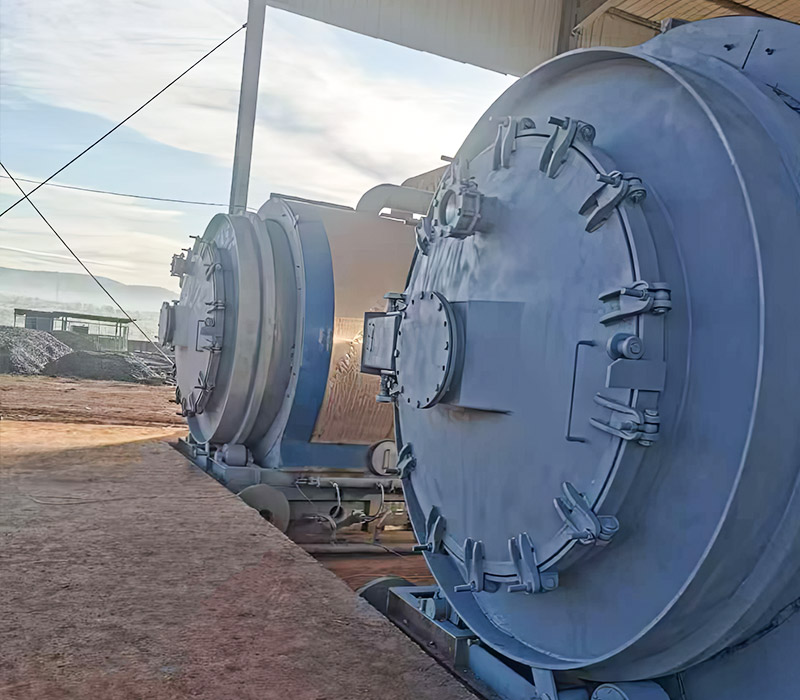
Batch reactors suffer heat losses during heating and cooldown. High-quality thermal insulation, minimized exposed piping, and compact batch volumes reduce these losses. Reactor geometry that promotes uniform heating (mixing, agitation, or internal baffles) increases conversion and reduces cold spots that produce char instead of oil or gas.
Operational choices have a major impact on overall efficiency. Optimizing heating profiles, capturing and recycling evolved gases for process heat, and choosing appropriate final temperatures for a given feedstock all help maximize recoverable fuel. For batch systems, minimizing non-productive time between cycles — through improved feeding, faster heat-up, and effective product removal — raises the average utilization rate per calendar hour.
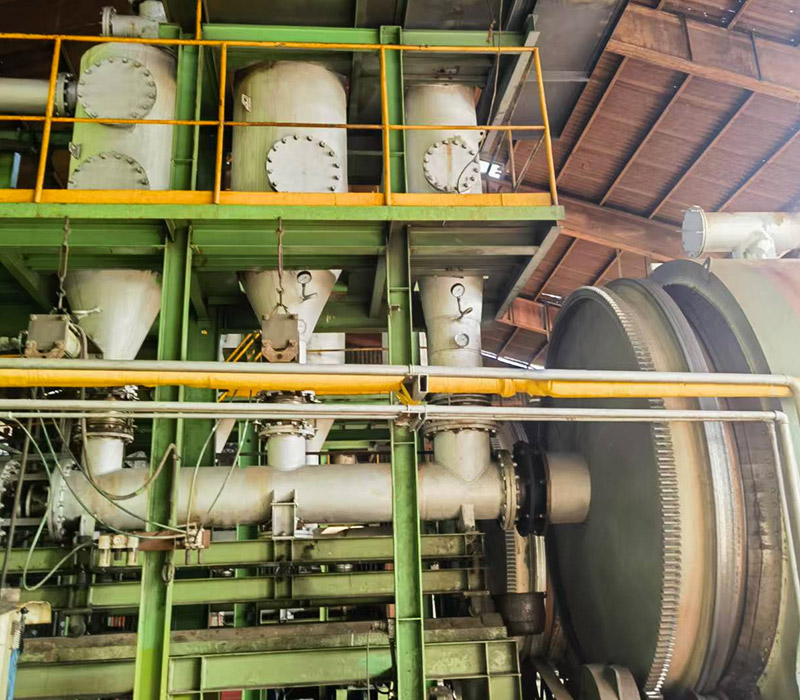
Recovering syngas and combustion heat is the single most effective improvement. Fuel-rich pyrolysis gas can be combusted in a controlled heater to supply the next batch’s heat demand, with exhaust heat used for pre-drying feedstock. Using gas combustion in a heat exchanger to warm the reactor wall or to preheat incoming air reduces auxiliary fuel needs and materially increases net energy recovery.
Typical utilization rates vary widely by feedstock, equipment scale, and operator skill. Small lab-scale or poorly insulated batch units may see net energy recovery below 30%, while well-engineered pilot or commercial batches with heat recycling can exceed 60–70% energy recovery (measured as HHV of products divided by total process energy). The following table summarizes typical ranges to set expectations.
| Feedstock | Typical Oil Yield (wt%) | Estimated Energy Recovery (%) |
| Waste plastic | 40–80% | 50–75% |
| Biomass (wood chips) | 20–35% | 30–55% |
| Tire-derived feed | 30–45% | 40–60% |
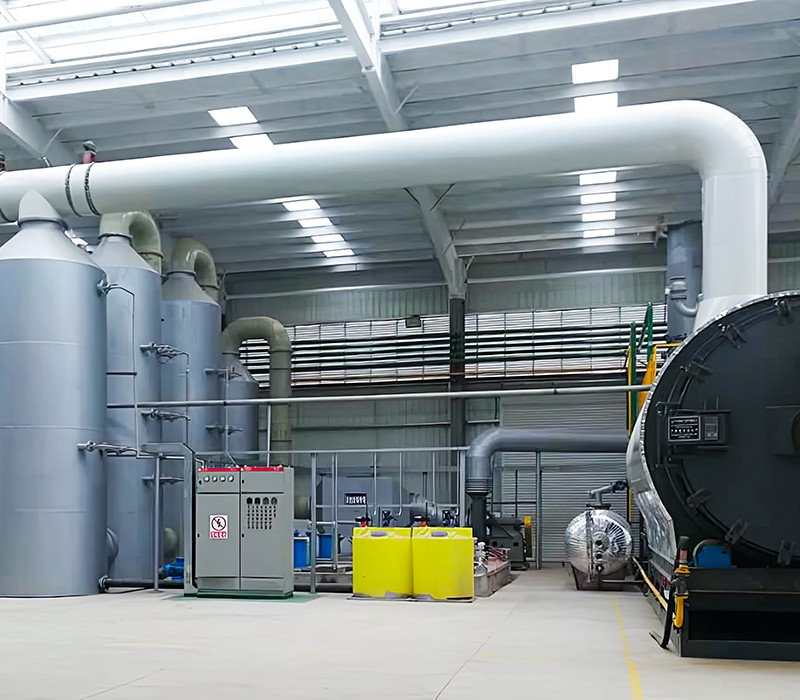
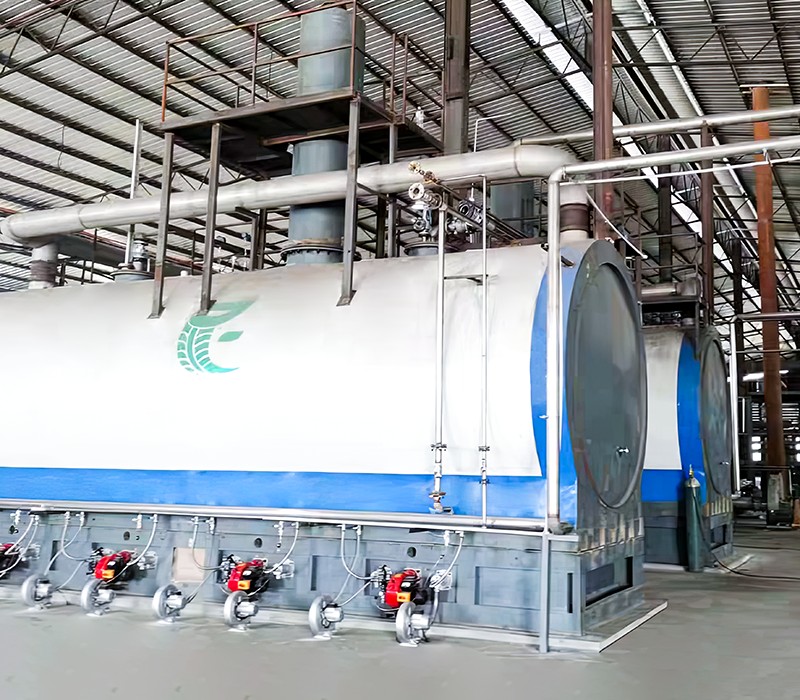
Key upgrades include improved insulation, staged heating burners, gas capture and thermal oxidizer or gas-fed burners, condensers sized for rapid oil separation, and automated control systems to run optimized temperature ramps. Adding heat-storage media or a thermal oil loop can bridge between batches and reduce fuel spikes at startup.
Automation that monitors gas composition, reactor wall temperature, and condenser performance allows operators to tune each batch for maximum yield. Data logging also makes it possible to refine preheating protocols and optimize feed sizes over time, leading to incremental improvements in utilization rate.
Higher utilization often requires capital investment (insulation, heat exchangers, burners, controls). Small operators should evaluate payback based on fuel cost savings and additional product value. For many feedstocks, the value of recovered oil plus avoided disposal fees justifies moderate upgrades; for lower-value feedstock, focus first on low-cost changes like pre-drying and basic gas recycling.
The short answer: it depends. Baseline batch pyrolysis equipment without heat recovery typically shows modest utilization because of startup and cooldown losses, but well-designed and -operated batch systems that capture syngas, optimize heating profiles, and minimize idle time can achieve competitive fuel utilization rates comparable to small continuous units. Achieving high utilization requires attention to feedstock prep, reactor insulation, gas handling, and operational discipline — all of which are practical and often cost-effective improvements for operators seeking better energy performance.







Let's Pyrolysis!


 +44 7529 150720
  [email protected]
  300 meters east of the South Railway Station in Shangqiu City, Henan Province
  Global Waste-to-Energy Solutions Waste Resource Utilization Equipment Manufacturer

 Profit Calculator
 English
 русский
 Français
 Español
 عربى
عربى