
 5 minutes
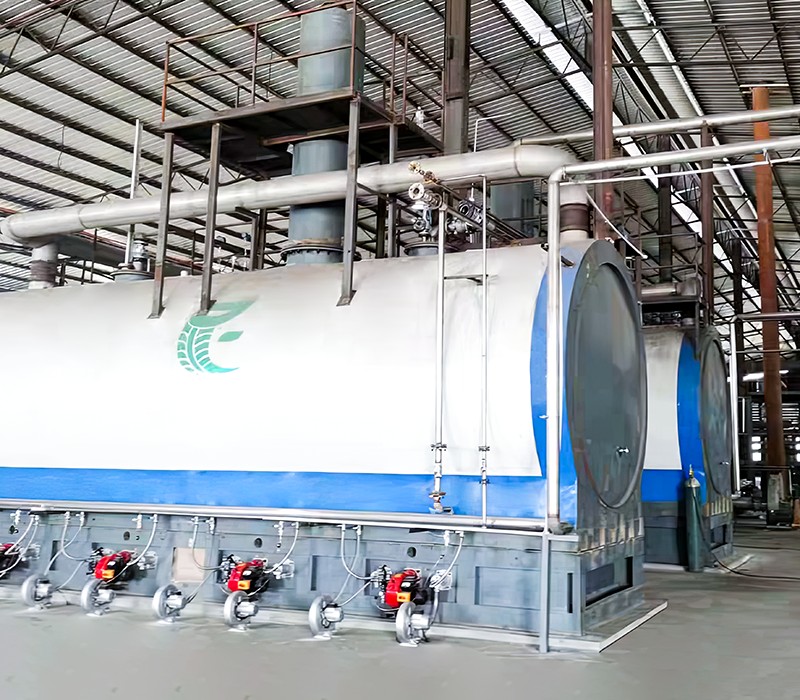
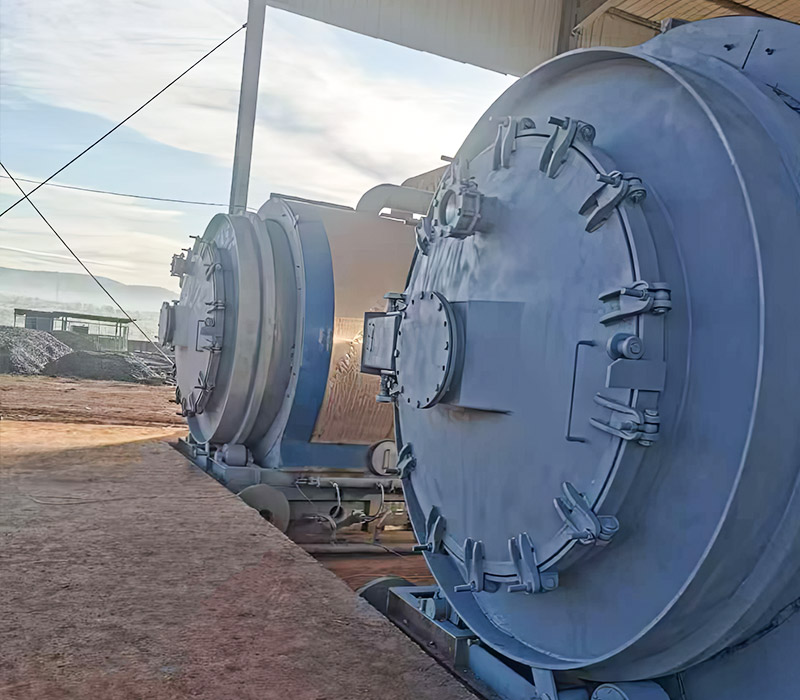
Pyrolysis, a thermal decomposition process, is widely used to convert organic materials such as biomass, plastic, and waste tires into valuable products like bio-oil, biochar, and syngas.
However, during pyrolysis, waste gases are also produced, which can include carbon dioxide (CO₂), carbon monoxide (CO), volatile organic compounds (VOCs), and trace pollutants.
Proper management of these waste gases is essential to ensure environmental compliance, reduce harmful emissions, and improve the overall efficiency of pyrolysis processes. This article explores various methods used to handle waste gases generated during pyrolysis and how these solutions contribute to a more sustainable pyrolysis industry.
1. Gas Cleaning Systems for Pollutant Removal
One of the most common methods for managing pyrolysis waste gases is the use of gas cleaning systems, which help remove pollutants and ensure that emissions meet regulatory standards.
● Particulate Filters
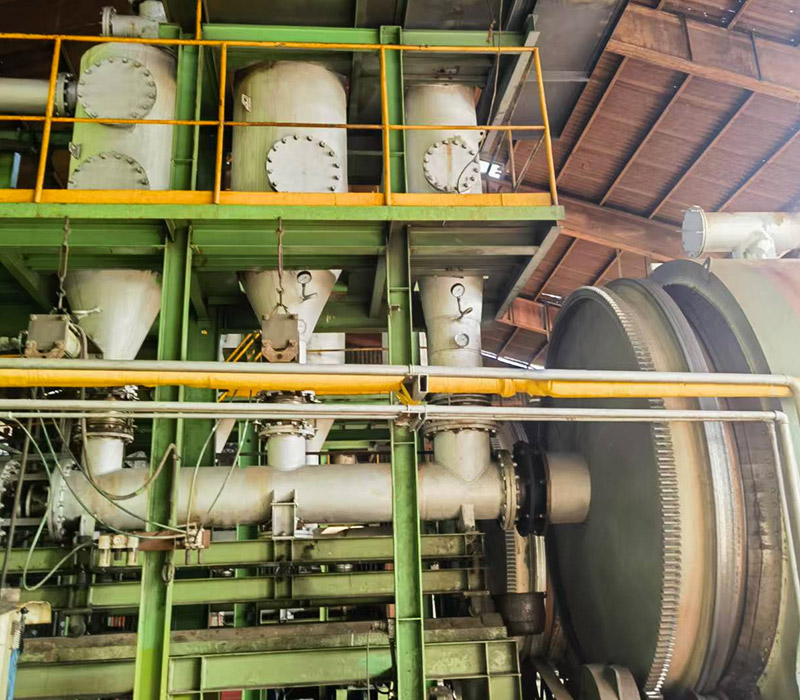
Particulate filters are often installed to capture solid particles and dust in waste gases. These filters prevent particulate matter from being released into the atmosphere, which can help reduce air pollution and protect public health.
● Scrubbers
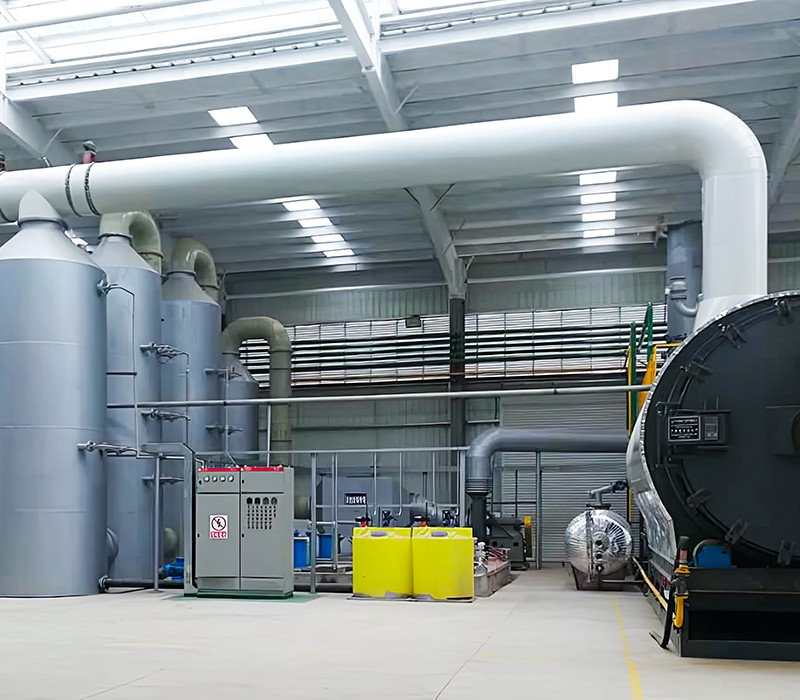
Scrubbers are systems that use a liquid, typically water or a chemical solution, to absorb and neutralize gaseous pollutants. Scrubbers are effective at removing sulfur compounds, VOCs, and ammonia from pyrolysis gases. By treating waste gases with scrubbers, pyrolysis plants can significantly reduce the emission of harmful chemicals.
● Catalytic Converters
Catalytic converters are used to break down pollutants in waste gases through a catalytic reaction, converting them into less harmful substances like CO₂ and water. This technology is particularly effective for reducing CO and VOC emissions, helping pyrolysis facilities to meet environmental standards.
2. Syngas Utilization for Energy Recovery
Syngas, a mixture of gases produced during pyrolysis, can be repurposed as a valuable energy source. Utilizing syngas for energy recovery not only reduces waste gas emissions but also improves the efficiency of the pyrolysis process.
● Electricity Generation
Syngas can be burned in turbines or internal combustion engines to generate electricity, which can then be used to power the pyrolysis plant itself. This self-sustaining process reduces reliance on external energy sources and enhances the economic viability of the facility.
● Heating Applications
Syngas can also be used to produce heat for industrial processes or for maintaining the required temperatures within the pyrolysis reactor. By utilizing syngas for heating, pyrolysis facilities can minimize the need for additional fuel sources and lower their carbon footprint.
3. Advanced Emission Control Technologies
For pyrolysis plants aiming to meet stringent environmental regulations, advanced emission control technologies are employed to ensure comprehensive waste gas management.
● Plasma Treatment
Plasma treatment is an emerging technology that uses a high-energy plasma field to break down complex gas molecules, converting harmful pollutants into simpler, less harmful substances. This technology is particularly useful for treating VOCs and other hazardous compounds in pyrolysis gases.
● Biofiltration
Biofiltration uses natural microbial processes to break down organic pollutants in waste gases. Waste gases pass through a biofilter, where microorganisms digest pollutants, effectively reducing VOC emissions. Biofiltration is an environmentally friendly option, making it increasingly popular in pyrolysis facilities.
4. Carbon Capture and Storage (CCS)
Carbon capture and storage (CCS) is a technique used to capture CO₂ from pyrolysis waste gases before it enters the atmosphere. The captured CO₂ can then be compressed, transported, and stored underground in geological formations, helping to reduce greenhouse gas emissions.
CCS is particularly valuable for pyrolysis facilities focused on achieving carbon neutrality. By capturing CO₂ and preventing it from being released, pyrolysis plants can significantly reduce their environmental impact and contribute to climate change mitigation.
Conclusion: Towards Sustainable Pyrolysis Operations
Effective management of waste gases in pyrolysis is essential for reducing emissions, meeting environmental standards, and improving process efficiency. Through the use of gas cleaning systems, syngas utilization, advanced emission control technologies, and carbon capture, the pyrolysis industry can minimize its environmental impact and move towards a more sustainable future. As waste-to-energy technologies continue to evolve, these waste gas management practices will play an increasingly important role in supporting a cleaner, greener industry.






Let's Pyrolysis!


 +44 7529 150720
  [email protected]
  300 meters east of the South Railway Station in Shangqiu City, Henan Province
  Global Waste-to-Energy Solutions Waste Resource Utilization Equipment Manufacturer

 Profit Calculator
 English
 русский
 Français
 Español
 عربى
عربى