
 5 minutes
In recent years, with the improvement of environmental awareness and the increasing demand for resource recycling, pyrolysis technology has gradually become an important means of waste treatment and resource regeneration. By decomposing organic waste such as waste plastics, waste rubber and agricultural residues at high temperatures, pyrolysis technology can produce useful products such as fuel oil, carbon black and combustible gas, thereby realizing the resource utilization of waste. However, the economic feasibility of pyrolysis technology remains a core issue of concern to various industries. This paper will conduct an in-depth analysis of the economic feasibility of pyrolysis technology from multiple perspectives, including input cost, output efficiency, market demand and policy support.
Input cost analysis of pyrolysis technology
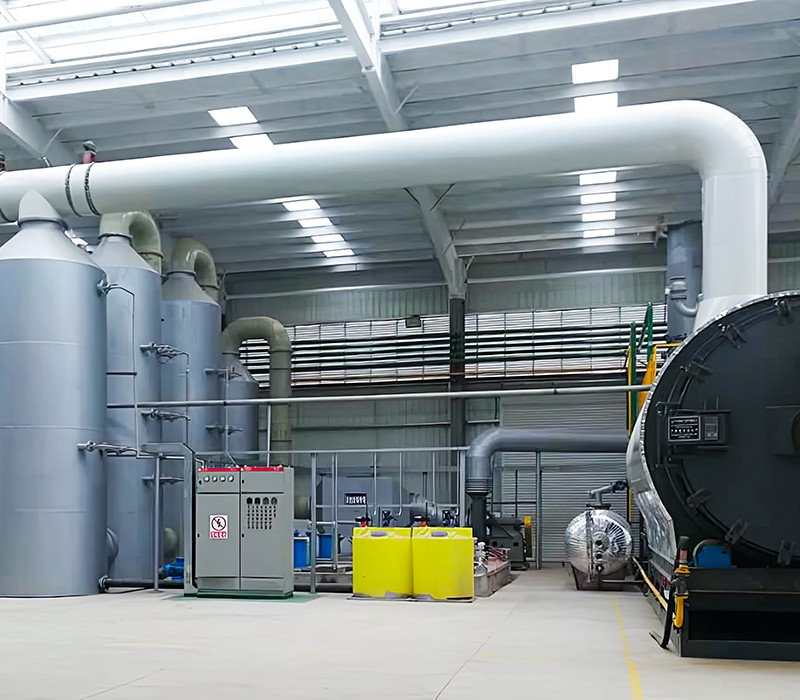
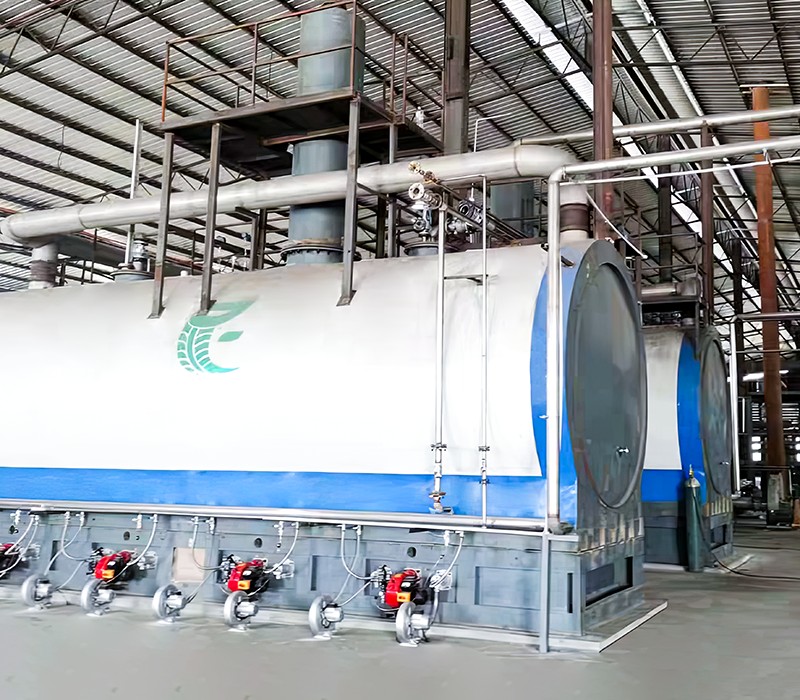
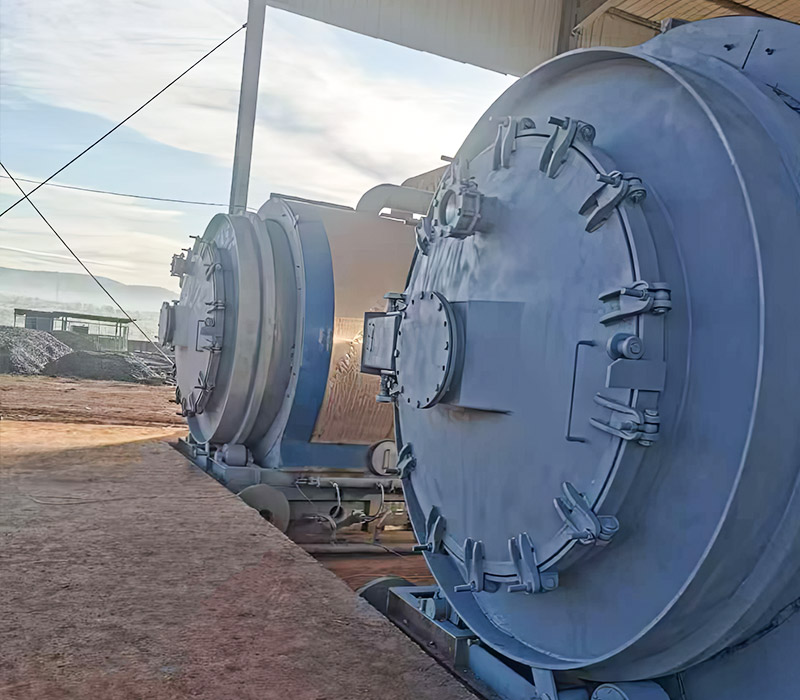
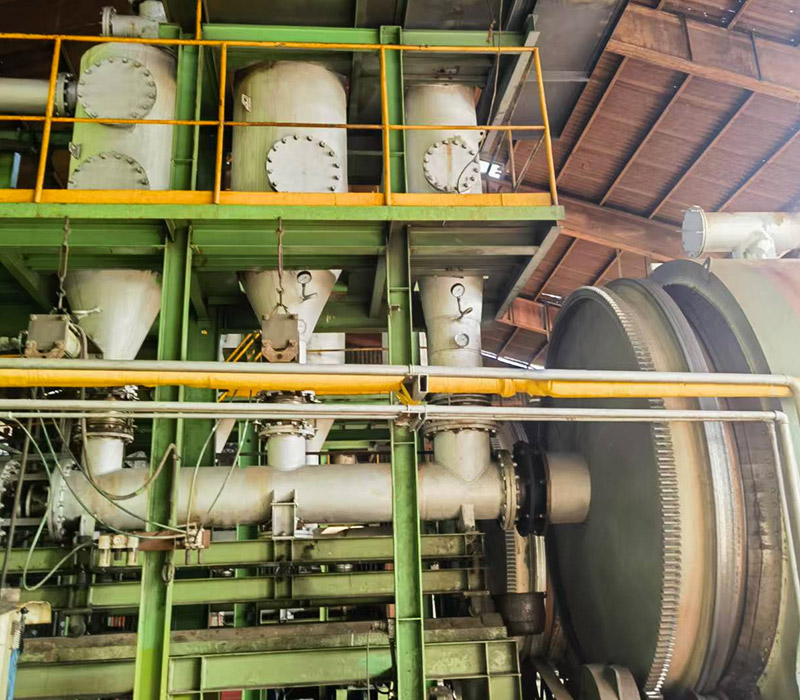
(1) Equipment cost: Pyrolysis equipment is the core of the pyrolysis process, including reactor, condensation system, gas treatment system, etc. Depending on the output and process, the price of equipment ranges from hundreds of thousands to millions of yuan. The initial equipment cost is high, especially for small and medium-sized enterprises, this investment may bring great financial pressure.
(2) Operating cost: The operating cost of pyrolysis technology mainly includes energy consumption, labor, maintenance and waste gas treatment. The pyrolysis process requires high temperature conditions, so the energy consumption is relatively high. In addition, to ensure safety and normal operation of the equipment, daily maintenance and labor costs cannot be ignored.
(3) Raw material costs: The raw materials processed by pyrolysis technology are mostly waste materials, such as waste plastics, waste rubber and agricultural residues, which are usually widely available and have low raw material costs. In some cases, companies can even obtain waste treatment fees to further reduce raw material costs. However, the cost of collecting and transporting waste should also be included in cost considerations.
Output benefit analysis of pyrolysis technology
(1) Economic benefits of pyrolysis oil: Pyrolysis oil is one of the main products of the pyrolysis process and can be used for industrial purposes such as boiler fuel, power generation, and heating. Under market conditions with relatively high oil prices, the economic benefits of pyrolysis oil are significant. In addition, through further refining, pyrolysis oil can also be converted into diesel, which expands its application field and increases its added value.
(2) Economic benefits of carbon black: Carbon black is another important by-product of the pyrolysis process and is widely used in rubber, plastics, coatings and other industries. The market demand for carbon black is large, especially in the field of rubber product manufacturing. Through proper treatment, the carbon black produced by pyrolysis can meet the quality standards of market applications, thereby increasing the overall benefits of the pyrolysis process.
(3) Utilization of combustible gas: The combustible gas generated during the pyrolysis process is mainly used for self-heating of the equipment, reducing the consumption of external energy. In addition, the remaining combustible gas can also be used for power generation, further improving economic benefits. In some projects, the recycling of pyrolysis gas realizes the internal circulation of energy, greatly reducing operating costs.
Impact of market demand and price fluctuations
The market demand and price fluctuations of pyrolysis products directly affect their economic benefits. At present, the tightening of environmental protection policies and the increase in demand for resource recycling have made pyrolysis products highly competitive in the market. However, the prices of products such as pyrolysis oil and carbon black will be affected by oil price fluctuations and market demand. Especially when oil prices are low, the competitive advantage of pyrolysis oil may weaken. Therefore, companies need to adjust their production and sales strategies according to market conditions to ensure the economic feasibility of pyrolysis products.
Policy support and subsidies
In order to encourage the development of environmental protection and circular economy, governments of various countries have introduced relevant policy support and subsidy measures. For example, tax incentives for pyrolysis projects, waste treatment fee subsidies, and environmental protection equipment procurement subsidies. These policy measures have significantly reduced the investment cost of pyrolysis projects and improved their economic feasibility. In addition, with the support of carbon trading policies, pyrolysis technology has the opportunity to obtain carbon credits trading due to the reduction of carbon emissions, which has brought additional sources of income to enterprises.
Other key factors in economic evaluation
(1) Project scale: The economic efficiency of pyrolysis technology is usually proportional to the project scale. Large-scale pyrolysis projects can more effectively share equipment and operating costs and achieve higher economic benefits. For small and medium-sized enterprises, joint operations or regional centralized pyrolysis projects can be considered to improve resource utilization efficiency.
(2) Technological progress: With the continuous development of pyrolysis technology, equipment energy efficiency and product conversion rate are also gradually improving. For example, some new catalytic pyrolysis technologies can significantly increase the yield of pyrolysis oil or reduce energy consumption costs, bringing new breakthroughs in economic efficiency.
(3) Environmental protection costs and compliance: Increasingly stringent environmental regulations require that pyrolysis technology must meet certain emission standards. Therefore, the treatment costs of waste gas, wastewater, and solid residues also affect the overall economic efficiency of pyrolysis projects. Enterprises should make a good budget for environmental protection costs at the beginning of the project and choose appropriate treatment methods to ensure that the project meets regulatory requirements and avoid fines and additional costs due to violations.
Conclusion
In general, pyrolysis technology has great potential in terms of economic efficiency, but it also faces some challenges. High equipment investment, large energy consumption requirements and market price fluctuations all have an impact on its economic efficiency. However, through scientific cost control, reasonable market planning and policy support, the economic efficiency of pyrolysis technology is expected to be improved. In the future, with the continuous advancement of pyrolysis technology and the expansion of market demand, the return on investment of pyrolysis projects will be further improved, becoming an economical and effective means of waste resource utilization.






Let's Pyrolysis!


 +44 7529 150720
  [email protected]
  300 meters east of the South Railway Station in Shangqiu City, Henan Province
  Global Waste-to-Energy Solutions Waste Resource Utilization Equipment Manufacturer

 Profit Calculator
 English
 русский
 Français
 Español
 عربى
عربى