
 5 minutes
Content
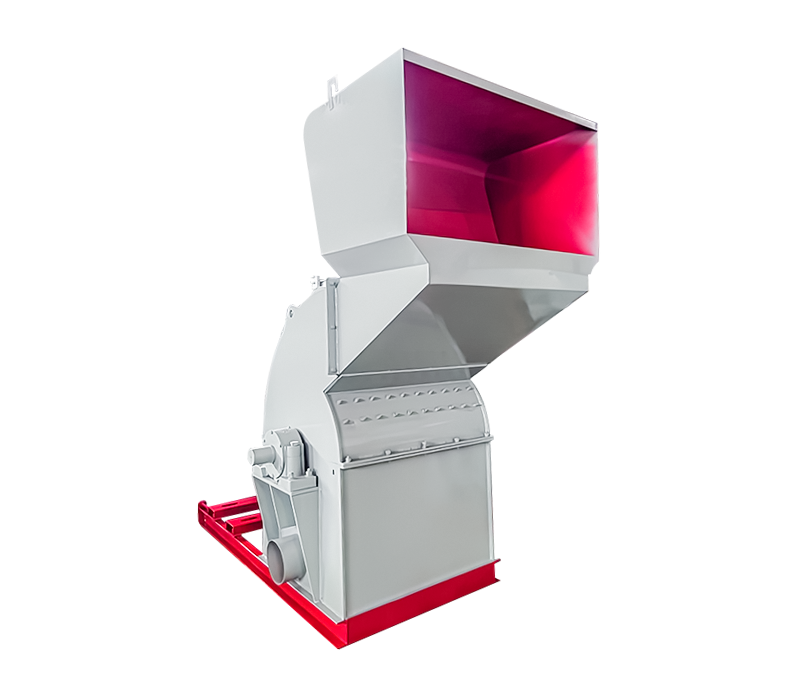
Tire waste is one of the fastest-growing environmental challenges worldwide. Millions of scrap tires are generated annually, creating storage, disposal, and environmental hazards. Tire shredders play a pivotal role in transforming this waste into reusable materials, enhancing recycling efficiency and reducing overall costs. By breaking down tires into smaller, manageable pieces, shredders facilitate easier handling, transportation, and further processing into rubber, steel, and fiber products. For recycling facilities and environmental management companies, tire shredders are not just machines—they are essential tools to optimize workflow and maximize resource recovery.
A properly designed tire shredding system significantly reduces labor intensity, accelerates the recycling process, and ensures consistent output sizes for downstream applications. With rising global emphasis on circular economy initiatives, the efficiency of tire shredders directly affects the profitability, sustainability, and operational success of recycling facilities.
Tire shredders enhance efficiency through several engineering and operational mechanisms. Their performance is determined by blade design, motor power, feeding system, and material handling capabilities. Understanding these mechanisms helps recycling operators optimize throughput and reduce waste.
Tire shredders utilize heavy-duty cutting blades capable of tearing through thick rubber, steel belts, and fiber layers. Advanced models have adjustable blade configurations that allow shredding of different tire sizes and types. High-quality blades maintain sharpness longer, reducing downtime for maintenance and increasing overall operational efficiency.
Automated feeding systems help maintain a steady input of tires into the shredder, preventing bottlenecks and maximizing output. Some systems use conveyors or hydraulic pushers to handle large truck or industrial tires, which reduces manual labor and increases throughput. Consistent feeding ensures that the shredder operates at optimal speed without overloading the machine.
Modern tire shredders are often paired with separation and sorting systems that automatically divide shredded material into rubber, steel, and fiber components. This integration accelerates recycling by reducing manual sorting and ensuring high-quality material recovery. Efficient separation reduces contamination, increases the value of recycled materials, and minimizes waste sent to landfills.
The efficiency of a tire shredder is not only measured by output quantity but also by the quality and usability of shredded material. Properly shredded tires can be repurposed in various industries, creating additional value and sustainability benefits.
Shredded rubber can be processed into granules or powder for use in playground surfaces, sports fields, molded rubber products, and asphalt modification. Uniform size and minimal contamination improve usability and allow manufacturers to meet strict quality standards. Tire shredders that produce consistent particle sizes directly contribute to higher recycling efficiency and product quality.
Steel belts embedded in tires can be extracted using magnetic separation after shredding. Efficient shredders ensure that steel is liberated from rubber, maximizing recovery rates and reducing the need for additional processing. Recovered steel can be reused in construction, automotive, and industrial applications, creating economic and environmental benefits.
Fibers separated from shredded tires can be used in composite materials, insulation, or as fillers in various industrial products. Proper shredding ensures fibers remain intact and clean, which improves their usability and value in secondary applications.
Several factors influence how effectively a tire shredder enhances recycling efficiency. By considering these factors, operators can optimize equipment performance and maximize output quality.
Larger or reinforced tires, such as truck or industrial tires, require higher torque and specialized blades. Selecting a shredder capable of handling the specific tire range ensures smooth operation and prevents machine overload.
Adequate motor power and torque are critical for continuous operation and high throughput. Underpowered machines may stall, leading to downtime, while overpowered machines may be unnecessary for smaller operations. Matching the machine to processing needs enhances efficiency and reduces energy consumption.
Frequent maintenance, including blade sharpening and lubrication, ensures consistent shredding performance. High-quality, wear-resistant blades maintain cutting efficiency longer, minimizing interruptions and increasing total output.
Understanding different shredding methods can clarify why modern tire shredders improve recycling efficiency over older or manual methods. The table below summarizes key differences:
| Method | Efficiency | Output Quality | Labor Requirement |
| Manual Cutting | Low | Inconsistent | High |
| Basic Mechanical Shredders | Moderate | Moderate | Medium |
| Advanced Tire Shredders | High | Consistent | Low |
Tire shredders significantly improve recycling efficiency by streamlining the breakdown of tires, enabling effective separation of rubber, steel, and fibers, and reducing labor requirements. High-powered blades, automated feeding, and integrated sorting systems ensure high-quality, consistent output. Choosing the right shredder, maintaining blade quality, and selecting appropriate machine power are essential for maximizing throughput and resource recovery. As global tire waste continues to rise, tire shredders provide a practical and economic solution for sustainable recycling practices.






Let's Pyrolysis!


 +44 7529 150720
  [email protected]
  300 meters east of the South Railway Station in Shangqiu City, Henan Province
  Global Waste-to-Energy Solutions Waste Resource Utilization Equipment Manufacturer

 Profit Calculator
 English
 русский
 Français
 Español
 عربى
عربى