
 5 minutes
Content
Waste tire pollution has become a long-term environmental concern due to the enormous number of used tires generated each year and the difficulty of breaking them down naturally. Tire shredders are often highlighted as a critical solution, allowing discarded tires to be processed into reusable materials rather than ending up in landfills or being illegally burned. Understanding how tire shredders contribute to pollution reduction requires a close look at their role in recycling, resource recovery, and safe waste management.
A single waste tire can take hundreds of years to decompose, and massive volumes accumulate every year worldwide. When left untreated, waste tires contribute to soil contamination, attract pests, and increase the risk of fires that release toxic chemicals. Traditional disposal methods such as stockpiling or landfilling not only waste valuable resources but also worsen pollution. These challenges highlight the importance of mechanical recycling equipment like tire shredders.
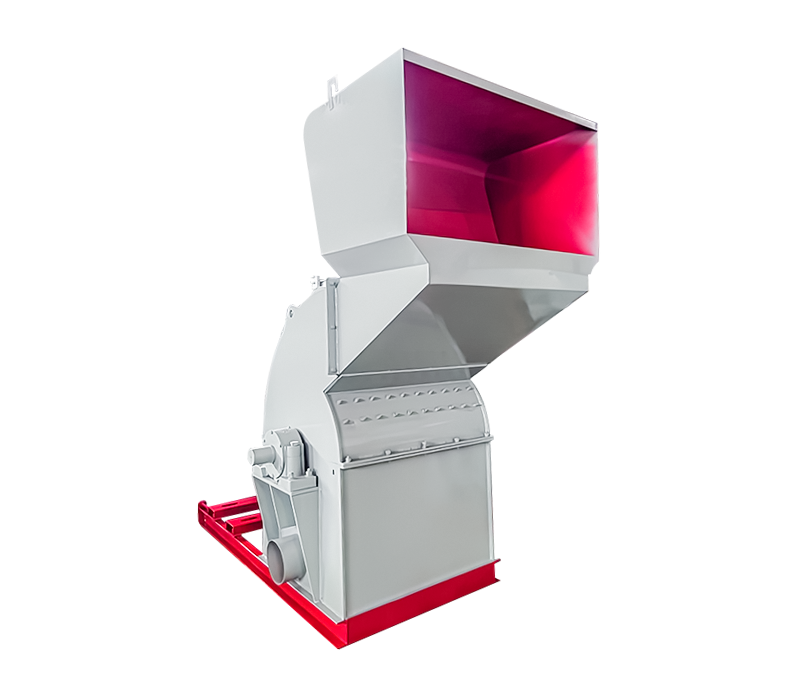
Tire shredders break down whole tires into smaller, more manageable pieces, enabling downstream recycling processes that turn waste into usable products. By converting bulky and difficult-to-handle tires into rubber chips or crumb rubber, shredders significantly expand the possibilities for recycling applications. Instead of becoming harmful waste, tires can re-enter the economy as raw materials.
Tire shredders play a direct and measurable role in reducing pollution by transforming tires into materials that can be repurposed, thus minimizing environmental risks. Their impact can be seen across multiple areas of waste management and resource conservation.
Shredding tires drastically reduces the volume of waste entering landfills. Many countries restrict whole tires in landfills due to their tendency to surface and damage landfill liners. Tire shredding allows for partial or full recycling, diverting significant tonnage away from disposal sites and lowering overall landfill pollution.
Tire piles are notorious for fires that can burn for days or even months, releasing hazardous chemicals into the air and soil. Shredded tires, however, are easier to process quickly and do not accumulate in large, uncontrolled piles. This reduces fire hazards and helps prevent the release of toxic pollutants.
Recycled tire materials created from shredding are used in environmentally friendly products such as playground surfaces, athletic tracks, rubberized asphalt, construction fillers, and molded rubber items. These applications extend the lifecycle of rubber and reduce the need for new raw materials, contributing to lower overall emissions.
Beyond pollution reduction, tire shredders unlock the value of the raw materials contained in old tires. Tires are composed of rubber, steel wires, and synthetic fibers, all of which can be recovered and used in new manufacturing processes. This aligns with the principles of circular economy and sustainable resource management.
| Recovered Material | Common Uses |
| Granulated Rubber | Sports surfaces, landscaping, rubber mats |
| Crumb Rubber | Rubberized asphalt, molded products |
| Steel Wire | Metal smelting, construction materials |
| Textile Fiber | Fuel or industrial fillers |
While tire shredders significantly contribute to reducing pollution, they are not a standalone solution. Their environmental impact depends on proper waste management systems, recycling infrastructure, and market demand for recycled materials. Without downstream processing facilities, shredded tires may still end up stored or discarded improperly. Energy consumption of shredding equipment is another factor, though modern machines are becoming increasingly efficient.
Yes. Tire shredders play a major role in reducing waste tire pollution by enabling recycling, lowering the risk of landfill overflow, preventing tire fires, and supporting resource recovery. Their impact is maximized when combined with comprehensive recycling programs, industrial reuse opportunities, and policies that encourage sustainable waste management. As global demand for environmentally responsible practices grows, tire shredders will remain essential equipment in turning waste tires into valuable, eco-friendly materials rather than long-term pollutants.






Let's Pyrolysis!


 +44 7529 150720
  [email protected]
  300 meters east of the South Railway Station in Shangqiu City, Henan Province
  Global Waste-to-Energy Solutions Waste Resource Utilization Equipment Manufacturer

 Profit Calculator
 English
 русский
 Français
 Español
 عربى
عربى