
 5 minutes
On August 17, 2025, a delegation from the Philippine company New Century Builders Inc. visited Shangqiu Pyrojin Industrial Co., Ltd. in Henan Province, and the two parties formally signed an exclusive agency agreement for pyrolysis equipment in the Philippine market. This move marks that China's independently developed waste pyrolysis technology will enter the Philippines in batches, providing a solution for the "reduction, recycling, and harmless treatment" of local municipal solid waste (MSW) while helping the Philippines explore a green development path of "waste-to-energy".
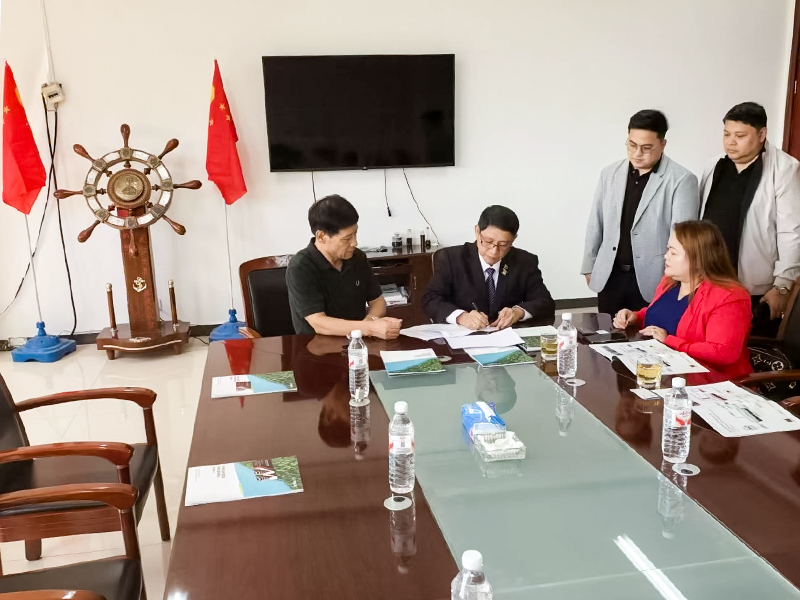
(Signing of the exclusive agency agreement for pyrolysis equipment in the Philippine market)
Signing + Inspection: Philippine Enterprise Verifies Technical Strength On-Site
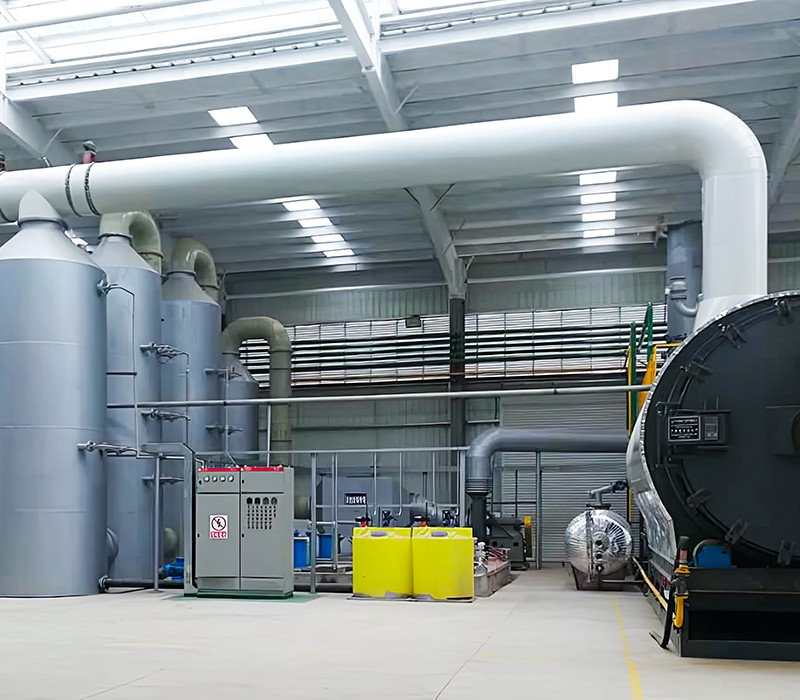
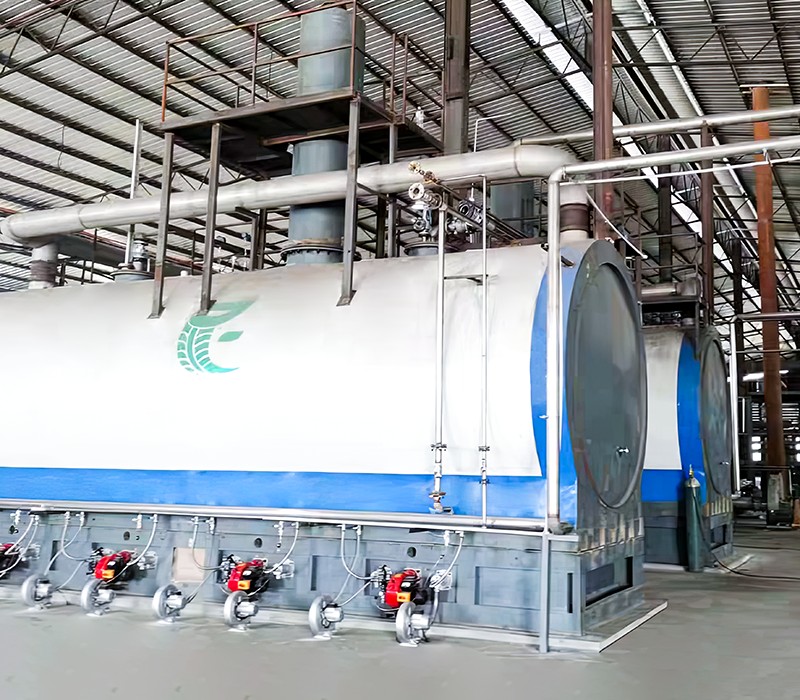
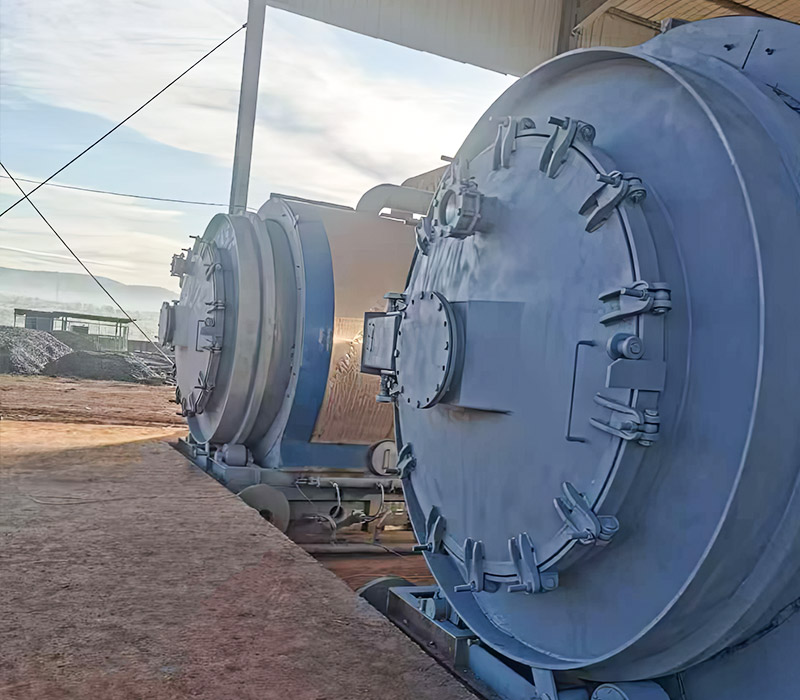
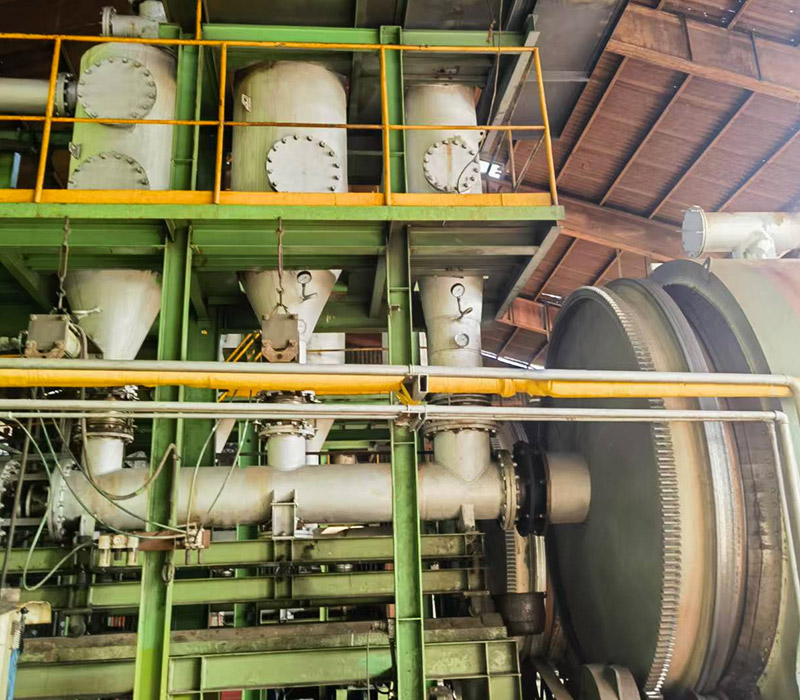
After the signing ceremony, the delegation from New Century Builders Inc. visited Pyrojin Industrial's equipment manufacturing factory in Shangqiu and its pyrolysis equipment base in Heze, Shandong Province successively. At the Shangqiu factory, the delegation observed the processing process of key components of pyrolysis equipment, witnessing the standardized system of equipment manufacturing from steel plate cutting, welding to precision assembly. At the Heze base, the delegation watched the entire process of municipal waste pyrolysis treatment on-site: after sorting, the waste is fed into the pyrolysis reactor, and finally converted into combustible gas, which is then used to generate electricity through generator sets; the residues are separated into recyclable carbon black and metal.
"Traditional waste treatment either takes up land for landfilling or causes pollution through incineration, while pyrolysis technology can turn waste into 'treasure'—this is exactly what the Philippines urgently needs now," the head of the delegation stated during the inspection. Before signing this agreement, they had conducted research on waste treatment technologies in many parts of the world. Pyrojin's pyrolysis equipment meets EU standards for emission indicators, and its projects in Côte d'Ivoire, South Korea and other countries have been operating stably. "The maturity of the technology and its adaptability to local conditions led us to decide on the exclusiveagency."
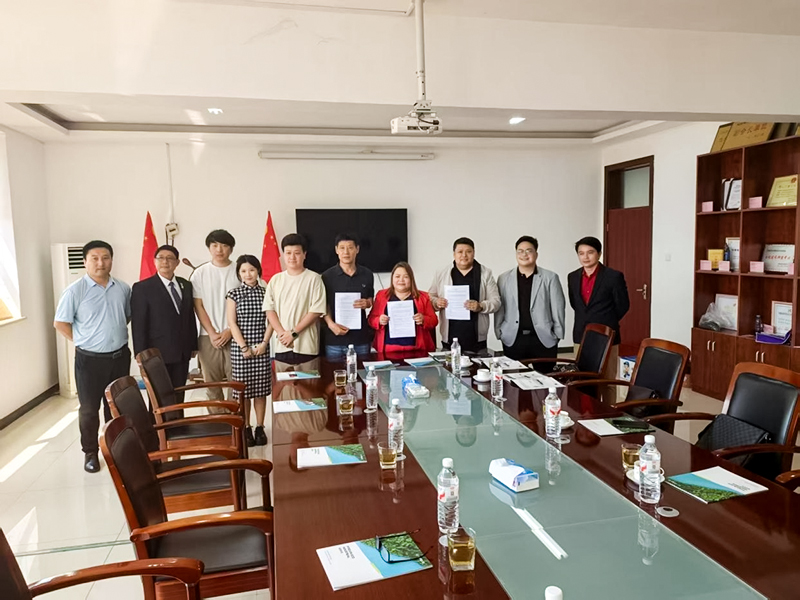
(Group photo of representatives after the agreement is signed)
Targeting Pain Points: Pyrolysis Technology Adapts to the Philippines' Waste Governance Needs
According to public data, the Philippines is one of the countries in Southeast Asia facing significant waste treatment pressure. Some cities generate over 10,000 tons of municipal waste per day, with landfilling accounting for more than 70% of the treatment methods. This not only occupies a large amount of land resources but also poses risks of soil pollution and groundwater pollution. Traditional incineration treatment, due to technical limitations, tends to produce harmful gases such as dioxins.
Niu Yongchao, Chairman of Pyrojin Industrial, introduced at the signing ceremony that the pyrolysis equipment exported this time has been optimized for the composition of Philippine waste (high organic content). A single set of equipment has a daily processing capacity of 30-50 tons. Through the "low-temperature anaerobic pyrolysis" process, more than 80% of the organic matter in the waste can be converted into combustible gas, with a power generation efficiency of 0.3-0.5 kWh per kilogram of waste. "The dioxin concentration emitted by the entire system is less than 0.1 nanograms per cubic meter, far below the Philippines' environmental protection standards. Moreover, the waste reduction rate exceeds 90%, basically eliminating the need for new landfills."
Dual Value: Environmental and Social Benefits Highlighted Simultaneously
Regarding the significance of this cooperation, the head of the delegation from New Century Builders Inc. pointed out that the implementation of pyrolysis technology will bring two core values. On one hand, it can alleviate the "waste siege" pressure in some parts of the Philippines. Taking Metro Manila as an example, if 10 sets of Pyrojin's pyrolysis equipment are put into use, they can handle 300-500 tons of waste per day, reducing landfilling by approximately 80% and cutting carbon dioxide emissions by over 50,000 tons annually. On the other hand, each waste-to-energy project can directly create 50-80 jobs, covering waste collection, equipment operation and maintenance, power transmission and other links. It can also supplement the local power supply, especially benefiting remote areas.
The Manager of Pyrojin Industrial's International Business Department added that the company will provide full-chain support to its Philippine partner in the follow-up, including equipment installation guidance, operator training, and spare parts supply. "It is expected that the first batch of pyrolysis equipment will be produced and delivered within 6 months, prioritizing service for cities in the Philippines facing high waste treatment pressure."
Industry insiders analyzed that this cooperation is not only a new case of China-Philippines environmental protection technology cooperation but also provides a reference for Chinese waste treatment equipment to "go global". Through the "exclusive agency + localized service" model, it can more quickly adapt to the needs of the target market and help developing countries solve the dual challenges of environmental governance and energy shortage.






Let's Pyrolysis!


 +44 7529 150720
  [email protected]
  300 meters east of the South Railway Station in Shangqiu City, Henan Province
  Global Waste-to-Energy Solutions Waste Resource Utilization Equipment Manufacturer

 Profit Calculator
 English
 русский
 Français
 Español
 عربى
عربى