

Low-temperature catalytic pyrolysis is a way to turn waste into useful products. It uses heat and a catalyst. The heat breaks materials down. The catalyst helps this happen at lower temperatures. No oxygen is involved. So nothing burns.
You often see this process used for plastics, biomass, tires, and organic waste. Instead of dumping or burning these materials, you convert them into oil, gas, and solid carbon.
And yes, it’s simpler than it sounds.
Content
Pyrolysis means heating material without oxygen. Low-temperature means you do this at around 300 to 500°C, not higher. The catalyst is the key part. It speeds up chemical reactions and lowers the heat needed.
So instead of forcing the process with extreme heat, you guide it. That saves energy. It also gives you more control over what comes out at the end.
The main outputs are:
Each one has real uses.
The setup is straightforward.
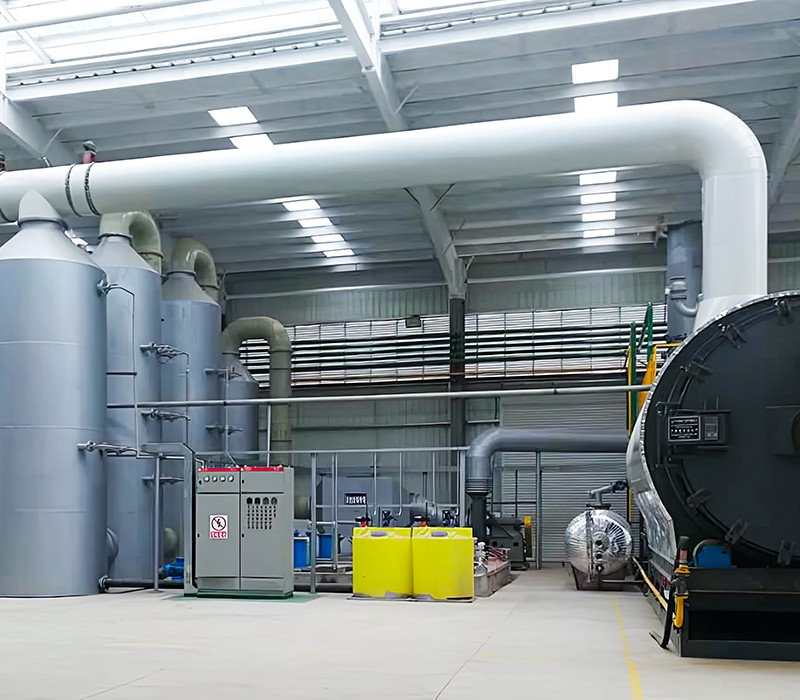
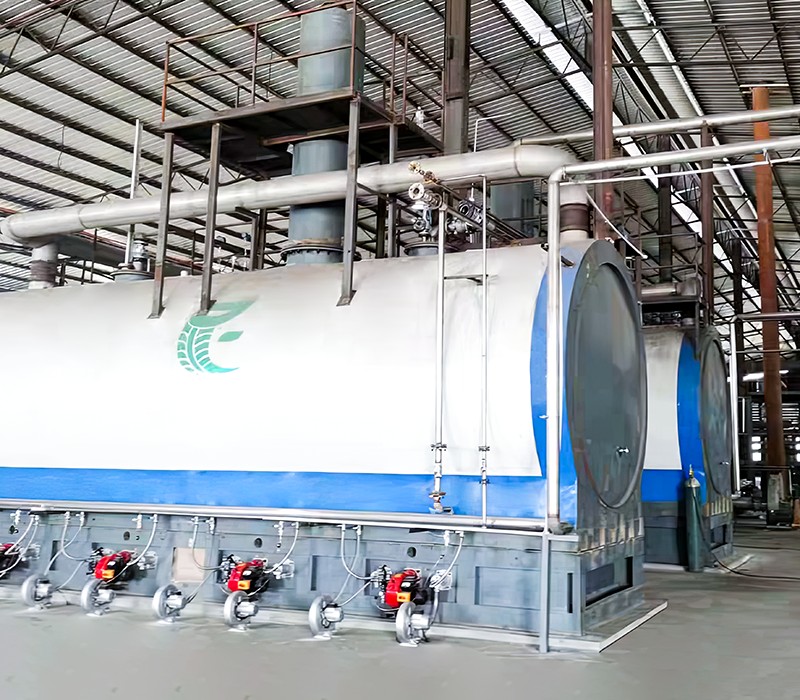
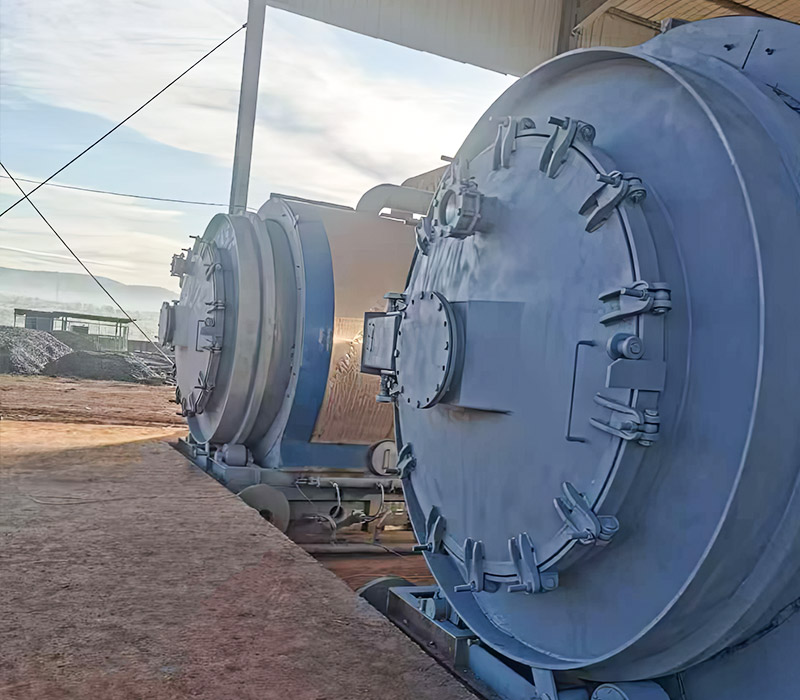
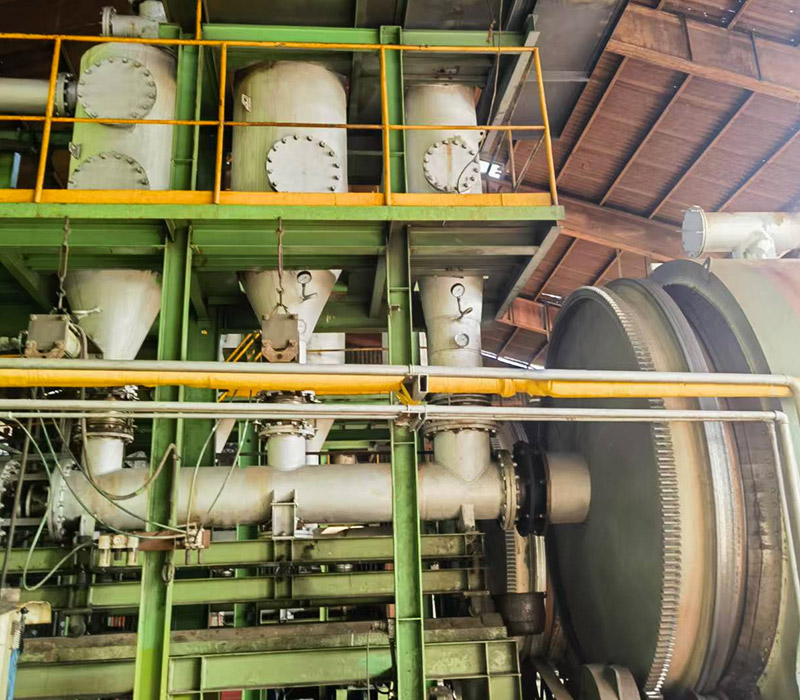
You feed waste into a sealed reactor. The reactor heats the material. Since there is no oxygen, the waste does not burn. It breaks apart instead.
The catalyst sits inside the system. It changes how molecules break down. This helps produce lighter oils and cleaner gas.
And because the temperature stays lower, the equipment lasts longer. You also use less fuel to run the system.
That’s the technical side. Nothing fancy. Just controlled heat and chemistry.
Here’s how it usually goes:
And that’s it. The process runs in a loop once started.
Lower temperature changes a lot.
You use less energy. That cuts operating costs. You also reduce wear on equipment. That lowers maintenance needs.
Lower heat also means better control. You get more consistent oil and gas. Fewer unwanted byproducts form.
In short, the system works harder so you don’t have to.
If you look at this from a business angle, the benefits are clear.
First, you reduce waste disposal costs. Less landfill. Less hauling. Less trouble.
Second, you create products you can sell or reuse. The oil can fuel burners or generators. The gas can heat the system itself. The char can be used in soil or carbon products.
Third, the process supports environmental rules. Many regions now push for waste reduction and lower emissions. This technology helps meet those goals.
It’s not magic. But it does make waste more useful.
Is this the same as regular pyrolysis?
No. The catalyst and lower temperature make it different and more efficient.
What materials work best?
Plastics, biomass, tires, and mixed organic waste all work well.
Is it safe?
Yes, when operated correctly. The system stays sealed and oxygen-free.
Can small businesses use it?
Yes. Modular systems exist for smaller operations.
Is it profitable?
It can be. Profit depends on feedstock cost, energy prices, and product use.
Low-temperature catalytic pyrolysis is a practical technology. It turns waste into fuel and useful materials. It uses less energy than older methods. And it fits well with today’s push for cleaner waste management.
It won’t solve every problem. But it does one thing well. It gives waste a second use.






Let's Pyrolysis!


 +44 7529 150720
  [email protected]
  300 meters east of the South Railway Station in Shangqiu City, Henan Province
  Global Waste-to-Energy Solutions Waste Resource Utilization Equipment Manufacturer

 Profit Calculator
 English
 русский
 Français
 Español
 عربى
عربى