
 8 minutes
As the number of motor vehicles continues to grow worldwide, the number of waste tires is also increasing. Waste tires contain a large amount of organic matter and energy components. If they are not treated, they will cause serious pollution to the environment. At the same time, since waste tires are not easy to degrade, their long-term accumulation in the natural environment will also bring ecological problems. Therefore, how to efficiently treat waste tires has become an important topic in the field of environmental protection and resource recycling. As an efficient and environmentally friendly waste treatment method, pyrolysis treatment technology has gradually shown great potential in the field of waste tire treatment.
1. Principle and process of pyrolysis treatment
Pyrolysis is a high-temperature thermochemical decomposition process. In an oxygen-free or oxygen-deficient environment, waste tires are heated and decomposed into small molecules, thereby forming three products: gas, liquid and solid. The main component of waste tires is rubber, which will decompose into small molecules containing hydrocarbons under high temperature. The pyrolysis process can generally be divided into the following stages:
Heating and dehydration: During the heating process, the water in the waste tires is evaporated to prepare for the subsequent decomposition reaction.
Pyrolysis reaction: At high temperatures of 300°C to 900°C, the carbon-hydrogen bonds in the rubber are broken to form gaseous, liquid and solid products.
Cooling and separation: The gaseous products are cooled to form pyrolysis oil, while the non-condensable gas can be used as fuel. The solid products are mainly carbon black and a small amount of metal components (such as steel wire), which can be recycled.
2. Products and utilization of pyrolysis treatment of waste tires
Pyrolysis oil: Pyrolysis oil is a liquid fuel with a high calorific value. It can be used as boiler fuel or further refined into fuel oils such as diesel and gasoline. The high calorific value of pyrolysis oil makes it have certain application value in the industrial fuel and energy market, especially in industries with large energy demand, such as cement production and power generation.
Non-condensable gas: The gas produced during the pyrolysis of waste tires includes combustible gases such as hydrogen, carbon monoxide, and methane, which are called non-condensable gas. This gas has a certain fuel value and can be circulated and burned in the pyrolysis equipment to provide a heat source for the pyrolysis reaction, thereby reducing energy consumption and improving the energy utilization rate of the pyrolysis process.
Carbon black: Carbon black is a high value-added solid product that can be used as a rubber filler to make new tires or rubber products. In addition, carbon black can also be used as an additive for plastics, inks and other products, and is widely used in the field of industrial manufacturing.
Metallic steel wire: During the pyrolysis process, the steel wire part of the waste tire is not affected and can be completely recycled. These steel wires can be recycled as scrap metal and further processed to make new products, realizing the recycling of resources.
3. Advantages of pyrolysis treatment of waste tires
Efficient recovery of energy and materials: During the pyrolysis treatment of waste tires, the hydrocarbons therein can be effectively converted into useful products such as pyrolysis oil, non-condensable gas and carbon black, realizing the resource utilization of waste. These products can provide alternative fuels for the industrial and energy sectors and reduce dependence on fossil energy.
Environmentally friendly and harmless: The pyrolysis process is carried out under anaerobic or anoxic conditions, avoiding the production of toxic gases (such as sulfur dioxide and dioxins) and reducing pollution to the atmospheric environment. At the same time, through efficient gas treatment and carbon capture technology, pyrolysis treatment can further reduce greenhouse gas emissions.
Reduce waste volume: After pyrolysis treatment, the volume of waste tires is greatly reduced, reducing the demand for landfill sites and effectively alleviating the pressure on landfills. At the same time, the solid residues such as carbon black after pyrolysis of waste tires can be reused to avoid the accumulation of waste.
Save energy: The non-condensable gas generated during the pyrolysis process can be used to heat equipment to achieve self-circulation of energy. This efficient use of energy reduces the operating cost of the pyrolysis process and improves energy efficiency.
4 Challenges of pyrolysis treatment of waste tires
Complexity of equipment and process: The pyrolysis process needs to be carried out at a specific temperature and under anaerobic conditions. The design and maintenance requirements of the equipment are high, especially the cost of large-scale pyrolysis equipment is high, which may increase the investment and operating costs of the project.
Product processing issues: There are many impurities in the pyrolysis oil, which needs to be further refined before it can be used in the high-quality fuel market. The quality of carbon black may also be affected by the composition of the raw tires, and the processing process needs to be optimized to improve the purity of the product.
Insufficient technical and policy support: Although pyrolysis technology has significant advantages in the treatment of waste tires, it still lacks relevant policy support in many countries, such as financial subsidies and tax incentives. At the same time, the public and the industry have limited awareness of pyrolysis technology, which affects its market promotion and application.
5. Future Development Direction and Outlook
Technological innovation and process optimization: By developing more efficient catalysts and optimizing pyrolysis processes, the product quality and energy recovery rate of the pyrolysis process can be further improved. For example, a segmented pyrolysis process with adjustable temperature can be developed to separate different products, improve oil quality and carbon black purity.
Policy support and market promotion: The government should introduce incentive policies, such as carbon emission reduction subsidies and R&D funding support, to encourage enterprises to use pyrolysis technology to treat waste tires. Through legislation and supervision, guide more enterprises and institutions to incorporate pyrolysis technology into their waste management plans.
Establish a waste tire recycling network: Build a centralized waste tire collection and processing center, reduce processing costs through large-scale production, and combine with pyrolysis facilities to achieve efficient use of resources.
Develop a green circular economy: Pyrolysis of waste tires is not only a waste treatment technology, but also an important part of building a green circular economy. Through efficient recycling and resource utilization, pyrolysis technology can help reduce the burden on the environment and achieve a win-win situation of economic and environmental benefits.

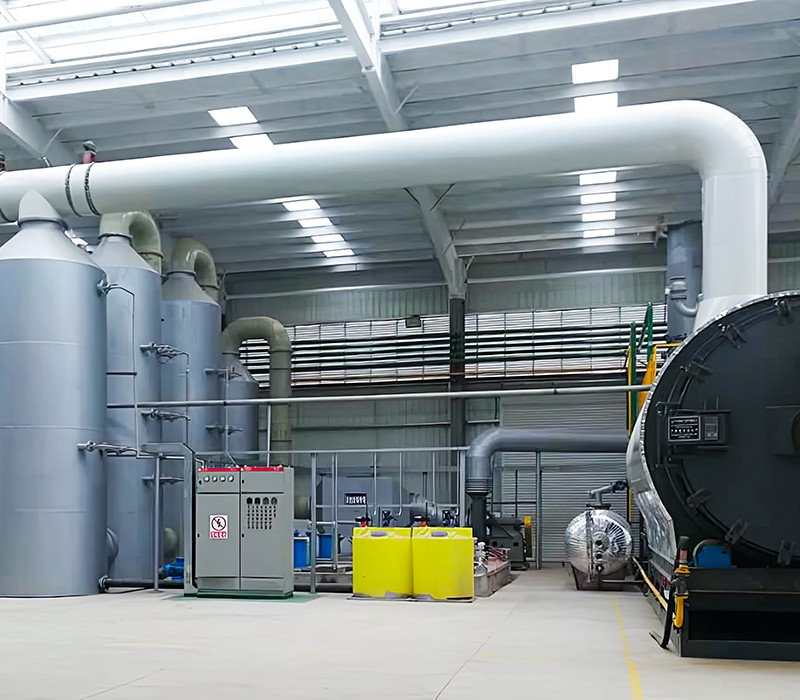
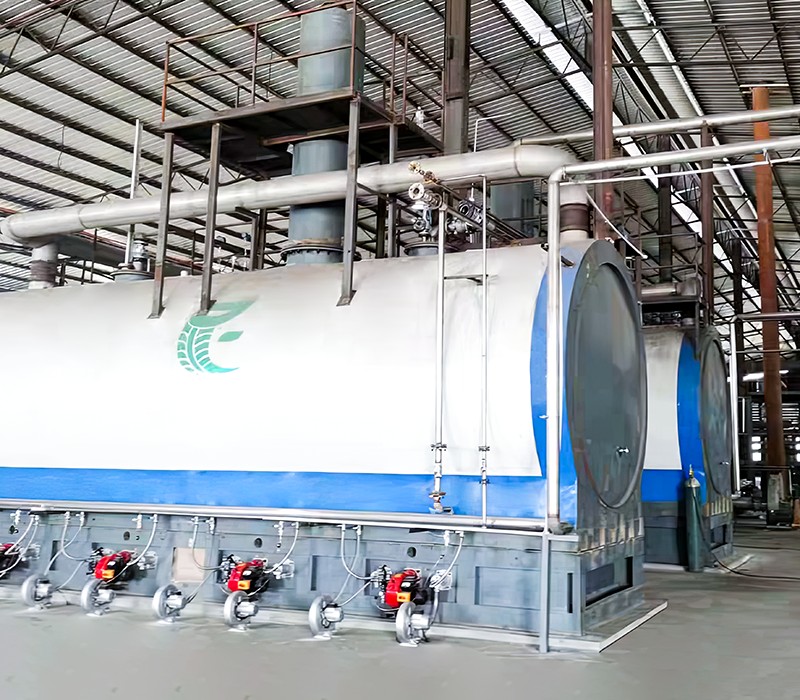


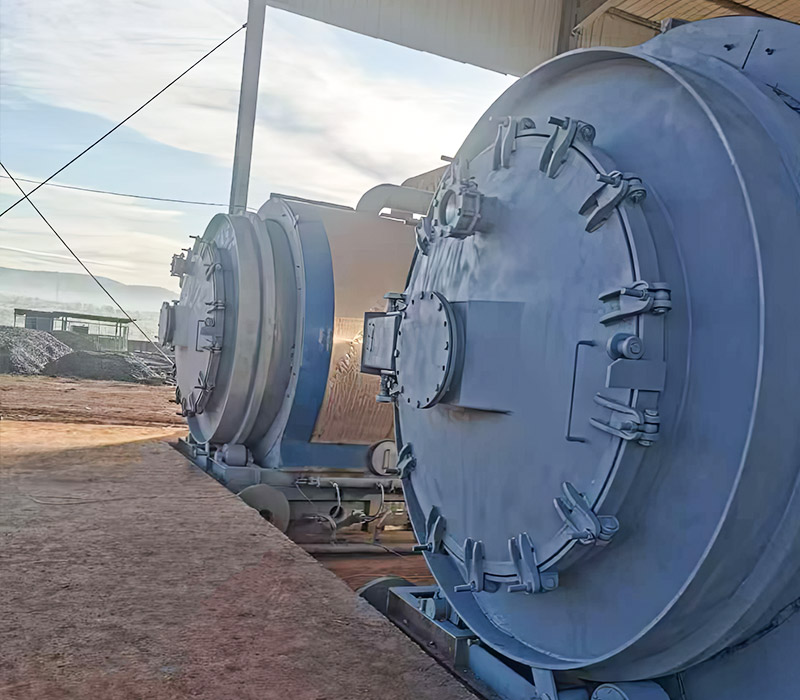
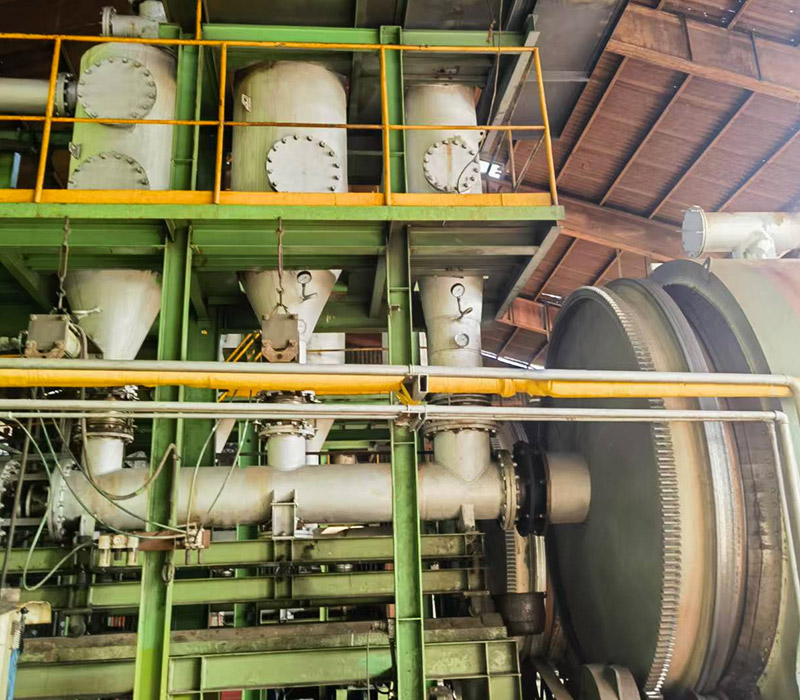



Let's Pyrolysis!


 +44 7529 150720
  [email protected]
  300 meters east of the South Railway Station in Shangqiu City, Henan Province
  Global Waste-to-Energy Solutions Waste Resource Utilization Equipment Manufacturer

 Profit Calculator
 English
 русский
 Français
 Español
 عربى
عربى