
 6 minutes
As the world increasingly focuses on environmental protection and sustainable energy development, efficiently managing waste and transforming it into valuable resources has become a key challenge. In this context, pyrolysis technology has gained attention for its efficiency and eco-friendliness. When combined with renewable energy, pyrolysis technology not only enhances waste processing efficiency but also opens up new possibilities for renewable energy applications.
The Basics of Pyrolysis Technology
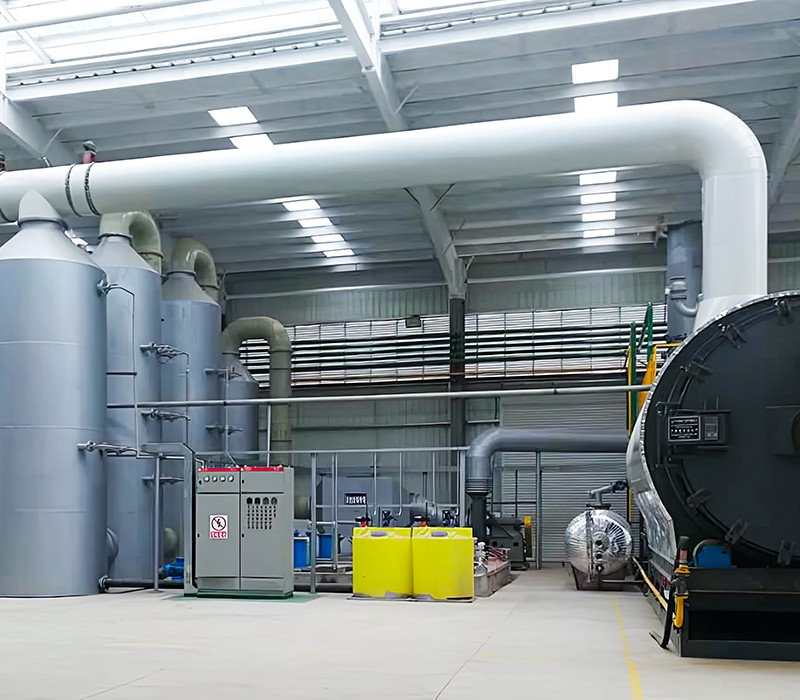
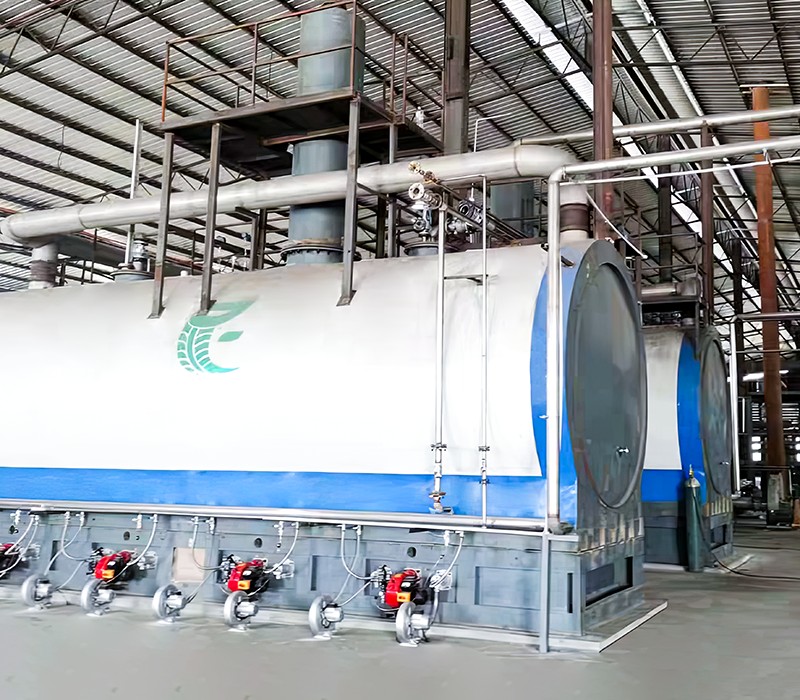
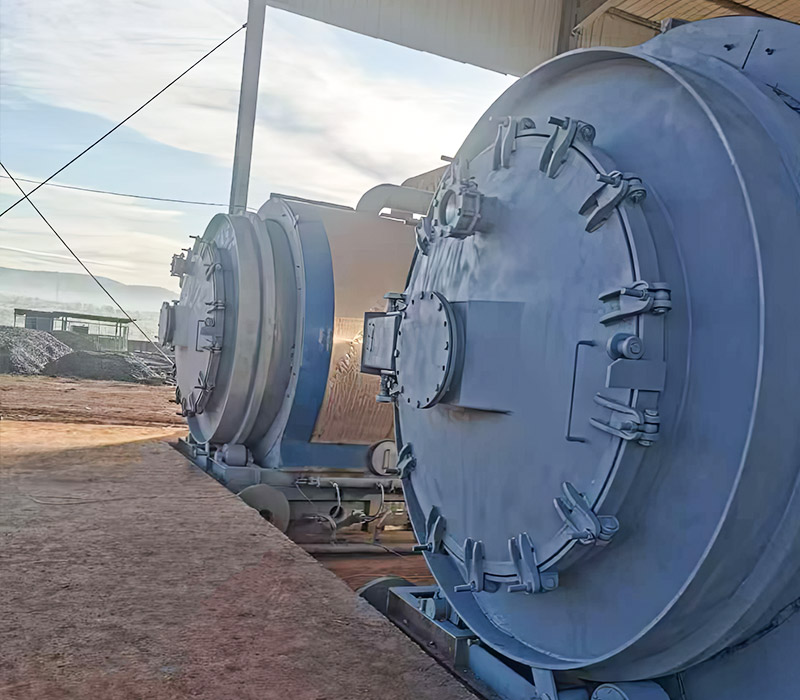
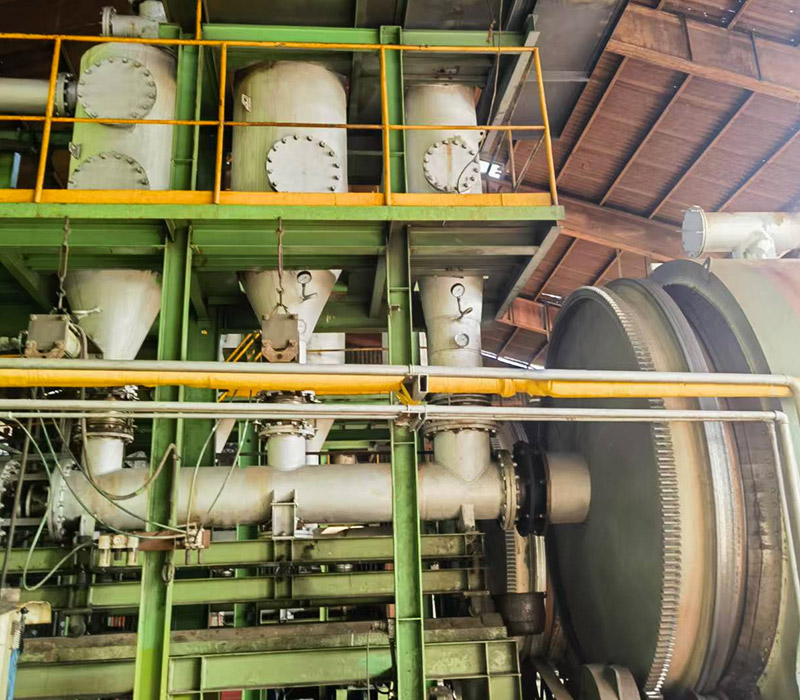
Pyrolysis is a high-temperature decomposition process where waste (such as used tires, plastics, and biomass) is heated in an oxygen-free environment, breaking down into combustible gases, liquid oil, and solid carbon black.
● Pyrolysis Oil: Can be used as industrial fuel or refined into diesel and gasoline.
● Carbon Black: Used as filler in rubber and plastic manufacturing or processed into activated carbon.
● Combustible Gas: Contains methane, hydrogen, and others, suitable for power generation or heating.
Integration of Renewable Energy with Pyrolysis Technology
Using Renewable Energy to Power Pyrolysis Equipment
Pyrolysis systems require heat to operate. By utilizing solar, wind, or biomass energy to power the heating process, reliance on traditional fossil fuels can be significantly reduced.
For instance, solar thermal systems can provide partial heating for reactors, reducing dependence on electricity or natural gas.Pyrolysis Products as a Supplement to Renewable Energy
The oil and gas produced by pyrolysis serve as secondary energy sources, suitable as alternative fuels for power plants or industrial boilers, especially in remote areas or regions with limited energy resources.
● Pyrolysis Oil: High calorific value, can replace diesel for power generation or machinery operation.
● Combustible Gas: Can fuel gas turbines to generate electricity, supporting decentralized energy systems.
Biomass Pyrolysis and Carbon Neutrality Goals
Biomass (such as agricultural waste and sawdust) converted through pyrolysis into fuel and carbon black not only achieves resource recovery but also reduces greenhouse gas emissions. The carbon black, used as biochar, improves soil and promotes carbon sequestration.
Advantages of Integration
1. Enhanced Energy Efficiency: Renewable energy powers pyrolysis systems, creating a self-sustaining energy loop.
2. Reduced Carbon Emissions: The combination of renewable energy and recovered pyrolysis products reduces reliance on fossil fuels.
3. Promotes Circular Economy: The integration supports a closed-loop system from waste management to energy regeneration.
Outlook and Challenges
While the integration of pyrolysis technology and renewable energy holds great promise, practical implementation faces technical and cost-related challenges. For example, renewable energy stability needs further improvement, and pyrolysis equipment requires continuous innovation for optimal performance. However, with technological advancements and policy support, this combined approach will play a crucial role in the future energy landscape.






Let's Pyrolysis!


 +44 7529 150720
  [email protected]
  300 meters east of the South Railway Station in Shangqiu City, Henan Province
  Global Waste-to-Energy Solutions Waste Resource Utilization Equipment Manufacturer

 Profit Calculator
 English
 русский
 Français
 Español
 عربى
عربى