
 3 minutes
1. Background of Pyrolysis and Carbon Capture
As global attention on climate change intensifies, reducing carbon dioxide (CO₂) emissions has become a critical goal for industries worldwide. Pyrolysis technology, known for converting waste into valuable energy and chemical products, has seen widespread adoption in waste management. However, the pyrolysis process still generates a certain amount of CO₂ and other gases. Integrating pyrolysis with carbon capture technology offers an efficient solution, simultaneously reducing greenhouse gas emissions and enhancing resource utilization.
2. Synergy Between Pyrolysis and Carbon Capture
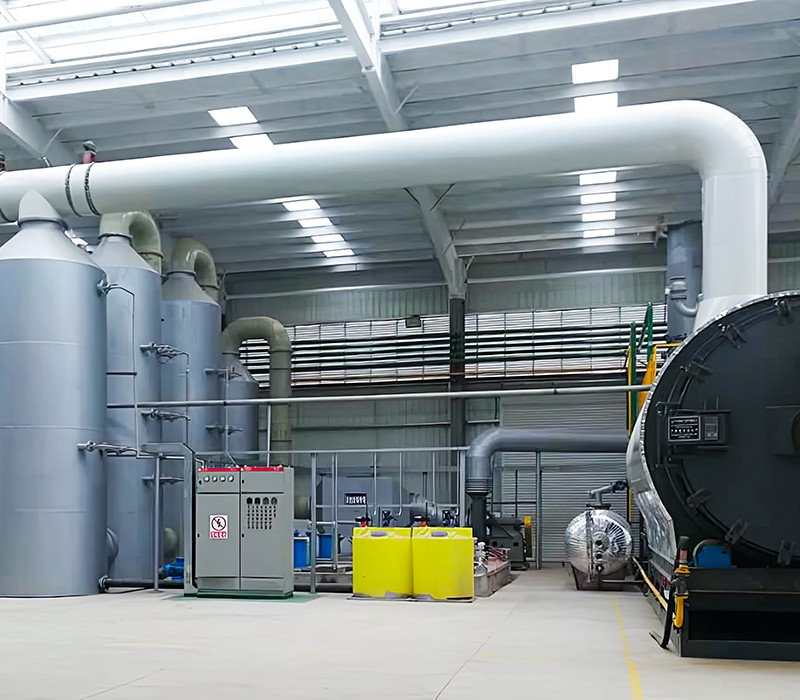
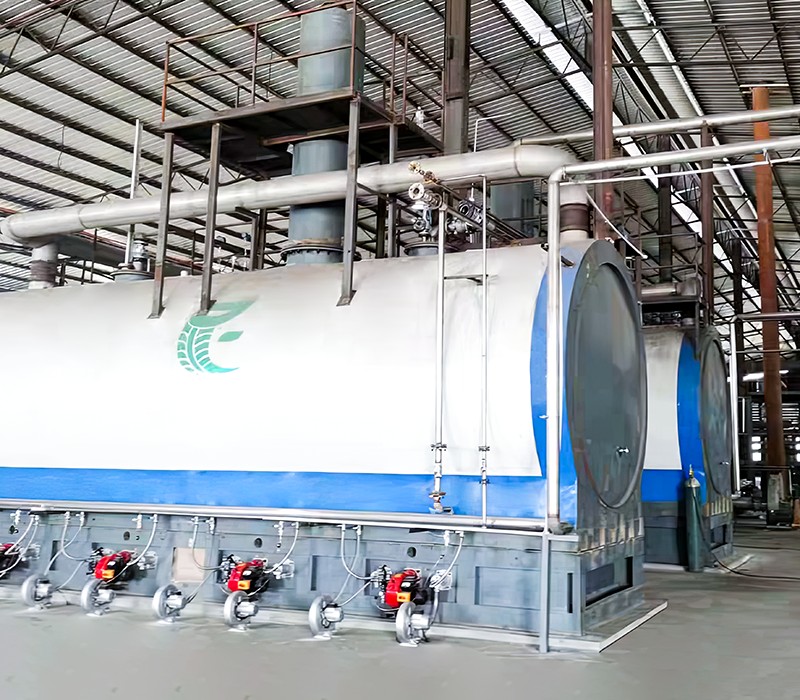
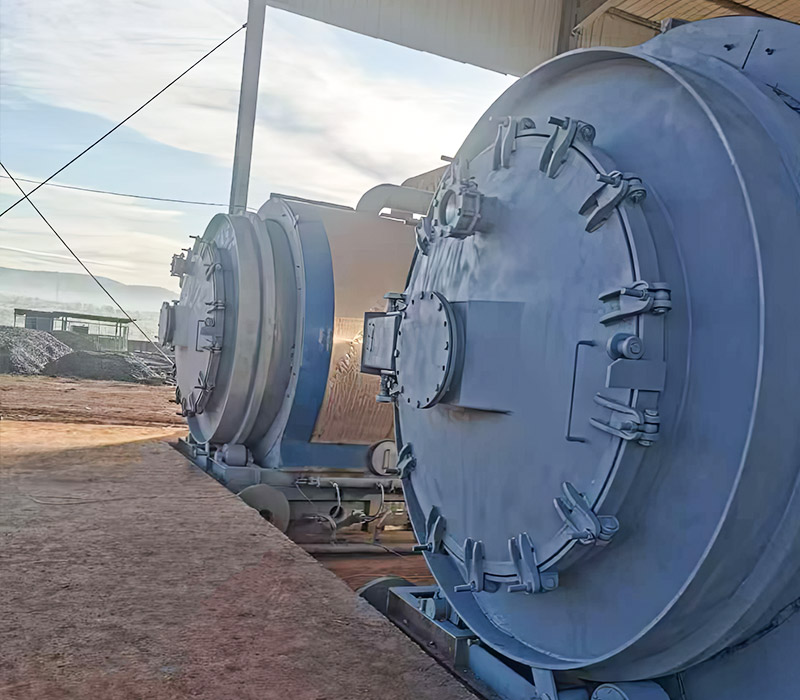
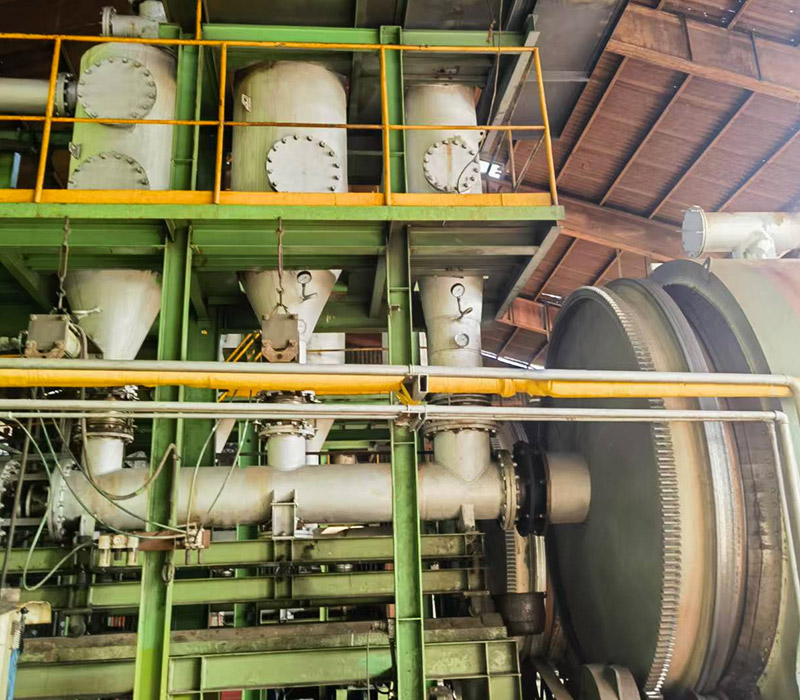
Pyrolysis decomposes organic materials in an oxygen-free environment, producing bio-oil, syngas, and carbon black, while releasing minor amounts of CO₂ and carbon monoxide (CO). By incorporating carbon capture systems, these gases can be collected and processed further. For instance, CO₂ can be compressed and stored or converted into useful chemicals. Meanwhile, the CO and hydrogen in syngas can be adjusted for clean fuel production. Pyrolysis units equipped with carbon capture systems can achieve net-zero or even negative carbon emissions, offering a transformative pathway for energy transition and environmental conservation.
3. Future Prospects of Pyrolysis and Carbon Capture Integration
The integration of pyrolysis and carbon capture technologies holds significant potential, particularly in managing industrial waste and municipal solid waste. As technology costs decline and policy support increases, this combined approach is expected to see broader implementation. For example, under carbon trading mechanisms, such systems not only reduce emissions but also generate additional revenue through carbon credits. Moreover, advancements in technology could enable the captured carbon to be repurposed into valuable products such as building materials or agricultural fertilizers, delivering both economic and environmental benefits. This integration represents a crucial step toward achieving a low-carbon economy.






Let's Pyrolysis!


 +44 7529 150720
  [email protected]
  300 meters east of the South Railway Station in Shangqiu City, Henan Province
  Global Waste-to-Energy Solutions Waste Resource Utilization Equipment Manufacturer

 Profit Calculator
 English
 русский
 Français
 Español
 عربى
عربى