
 5 minutes
In the field of environmental protection and resource recycling, pyrolysis technology has gained significant attention for its efficient waste treatment capabilities and eco-friendly attributes. However, questions remain about whether pyrolysis impacts water resources and whether such impacts are manageable. This article explores the potential effects of pyrolysis on water resources from three perspectives: the working principles of pyrolysis, its possible water-related impacts, and mitigation strategies.
1. Overview of Pyrolysis Technology
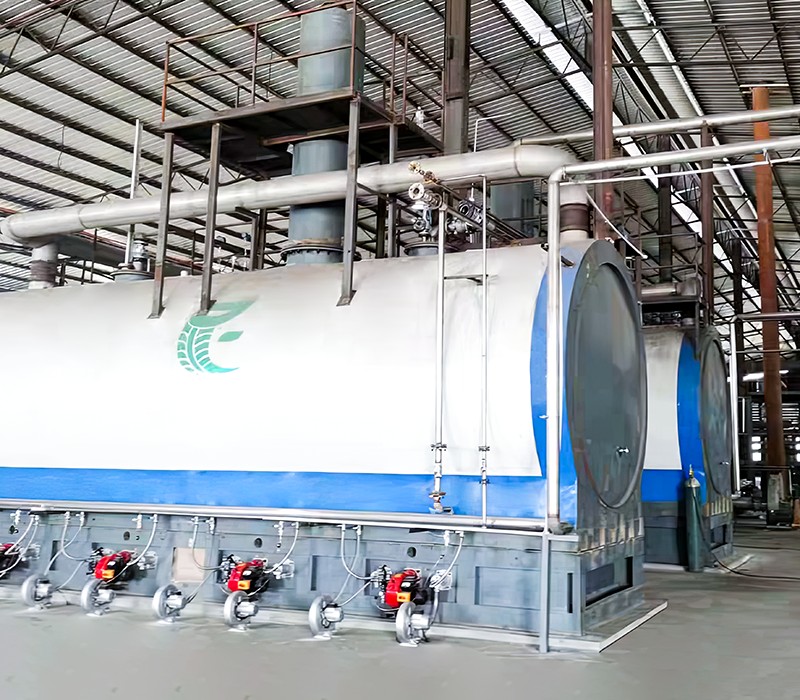
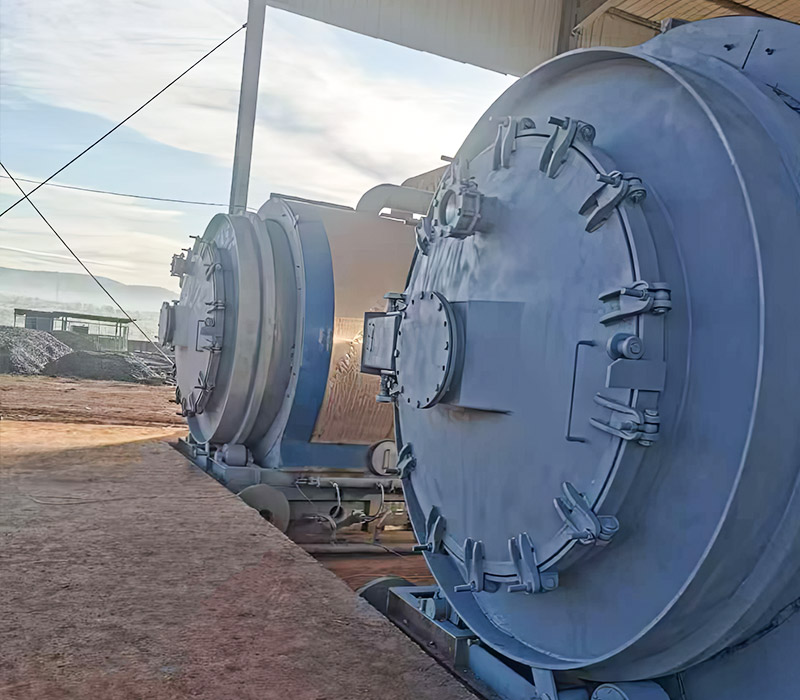
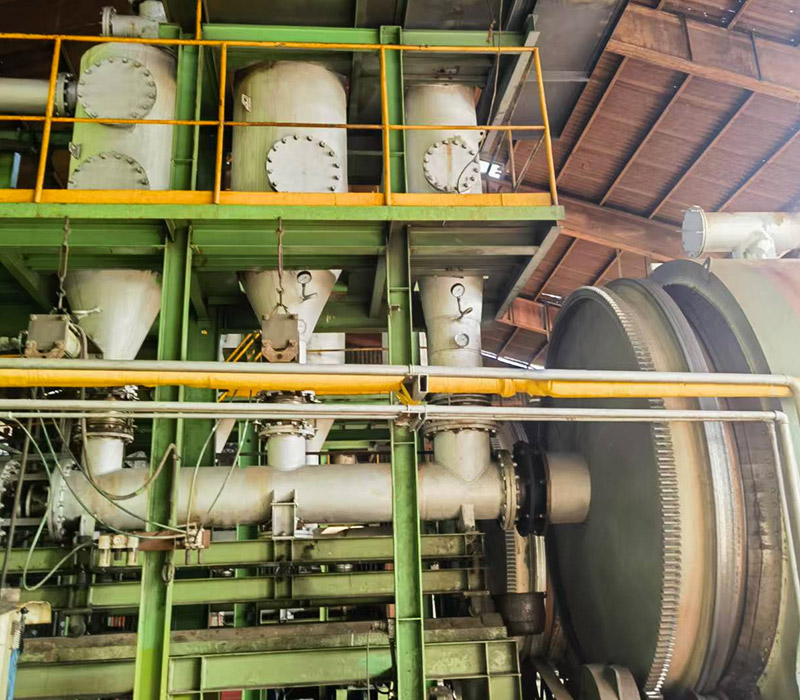
Pyrolysis involves the thermal decomposition of organic materials into reusable products such as pyrolysis oil, carbon black, and non-condensable gases in a high-temperature, oxygen-free environment. The process is typically enclosed and does not involve direct water use. Compared to traditional waste treatment methods (e.g., washing or chemical processing), pyrolysis has a lower direct impact on water resources. However, certain operational aspects may indirectly affect water resources.
2. Potential Impacts on Water Resources
● Water Consumption in Cooling Systems
During pyrolysis, cooling systems are used to condense high-temperature gases into liquid products, often requiring circulating cooling water. Poorly designed systems may lead to water wastage.
● Wastewater from Flue Gas Treatment
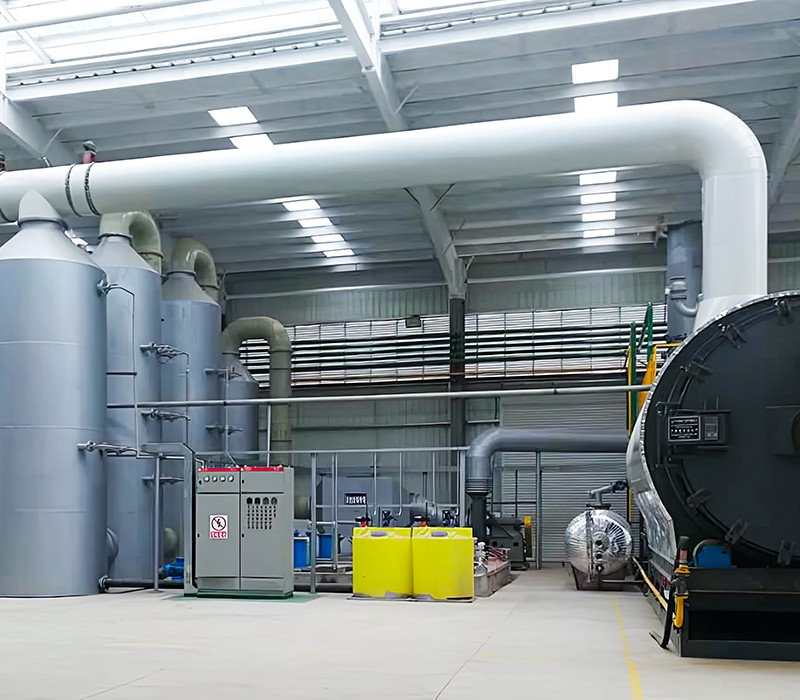
Flue gas purification is a critical part of the pyrolysis system, typically involving scrubbers or spray towers with alkaline solutions for desulfurization and dust removal. This process may produce wastewater containing acidic substances, heavy metals, or organic pollutants. Without proper treatment, such wastewater could contaminate water bodies.
● Contaminants in Raw Materials
Certain feedstocks (e.g., oily sludge or medical waste) may contain moisture or pollutants before pyrolysis. These substances could generate contaminated wastewater during pre-treatment, potentially affecting water resources.
3. Mitigation Strategies to Minimize Water Resource Impacts
● Optimizing Cooling Systems
High-efficiency circulating cooling systems can minimize water consumption. For example, closed-loop cooling devices prevent excessive evaporation and wastage of water.
● Advanced Wastewater Treatment
Using advanced wastewater treatment techniques, such as membrane filtration, sedimentation, or adsorption, ensures that harmful substances in wastewater are effectively removed and meet discharge standards.
● Pre-treatment of Feedstocks
Pre-treating contaminated feedstocks, such as physically separating moisture and solid pollutants, reduces the volume of wastewater generated during pyrolysis, mitigating risks to water resources.
● Enhanced Environmental Management
Real-time monitoring devices can ensure that all water-related aspects of the pyrolysis system operate within controlled parameters. Emergency response plans should also be in place to handle unexpected situations.
4. Conclusion
Overall, pyrolysis technology has a minimal direct impact on water resources, though some indirect risks exist in specific stages. By optimizing system design, adopting advanced wastewater treatment techniques, and improving feedstock pre-treatment, the impact of pyrolysis on water resources can be minimized. As a green technology, pyrolysis not only enables waste resource recovery but also contributes to water resource conservation through scientific management.






Let's Pyrolysis!


 +44 7529 150720
  [email protected]
  300 meters east of the South Railway Station in Shangqiu City, Henan Province
  Global Waste-to-Energy Solutions Waste Resource Utilization Equipment Manufacturer

 Profit Calculator
 English
 русский
 Français
 Español
 عربى
عربى