
 8 minutes
As global waste issues intensify, pyrolysis technology has emerged as an efficient and eco-friendly waste treatment method. By decomposing waste into gases, liquids, and solids under high-temperature, oxygen-free conditions, pyrolysis not only enables resource recovery but also profoundly influences ecosystems. This article explores the positive and potential negative impacts of pyrolysis on ecosystems.
1. Positive Impacts of Pyrolysis on Ecosystems
Reduction of Land Occupation by Waste
Pyrolysis significantly reduces the volume of waste. Materials like waste tires and plastics can be converted into high-value products such as pyrolysis oil and carbon black, minimizing the need for landfill space and preserving land resources.
● Reduction of Environmental Pollution
1. Plastic Pollution Mitigation: Pyrolysis prevents plastics from entering soil and water systems, reducing harm to ecosystems.
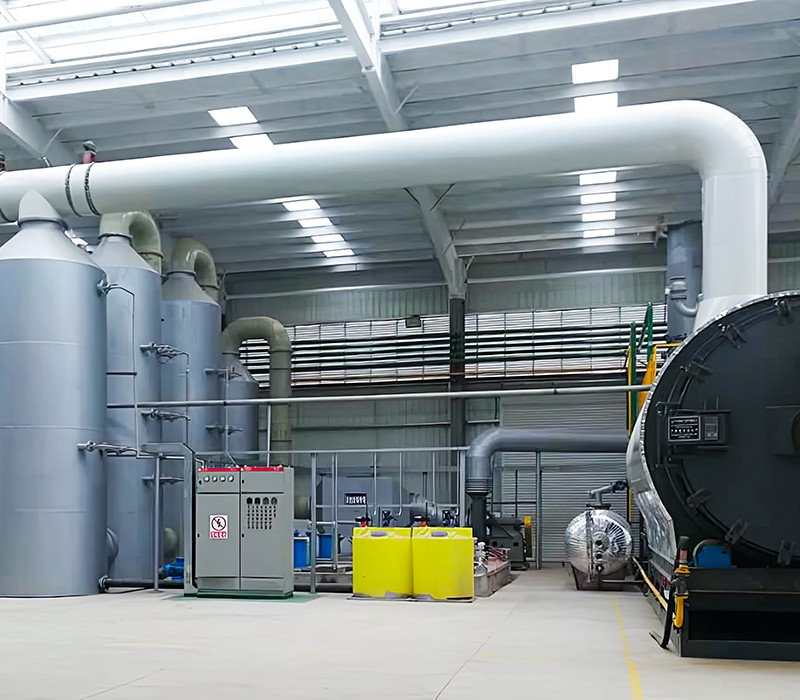
2. Controlled Emissions: Advanced gas purification systems used in pyrolysis effectively remove acidic gases and other pollutants, improving air quality.
● Resource Recycling
Pyrolysis facilitates the recycling of waste into usable products, reducing the need for natural resource extraction and helping conserve ecosystems.
● Carbon Emission Reduction
Non-condensable gases produced during pyrolysis can be used as fuel, replacing fossil fuels and reducing carbon emissions, thereby mitigating climate change.
2. Potential Negative Impacts of Pyrolysis on Ecosystems
● Energy Consumption and Carbon Emissions
Pyrolysis equipment requires significant energy, especially during the initial heating phase. If fossil fuels are used, this may lead to carbon emissions.
● Management of Solid Residues
While carbon black has high application value, improper handling may cause environmental issues, such as the dispersion of fine particles affecting soil and air quality.
● Environmental Risks of Implementation
Improper operation of pyrolysis systems may result in gas leaks or wastewater discharge, negatively impacting local ecosystems. Comprehensive safety and monitoring systems are essential to mitigate these risks.
3. Optimizing Pyrolysis Technology to Minimize Ecological Impact
● Use of Renewable Energy
Utilizing renewable energy sources like solar or wind power for pyrolysis equipment can reduce dependency on fossil fuels and lower carbon emissions.
● Enhanced Gas Purification Systems
Incorporating advanced neutralization and adsorption systems ensures compliant emissions and reduces air pollution further.
● Improved Solid Residue Management
Developing comprehensive carbon black recovery and processing systems maximizes value and minimizes environmental risks associated with solid residues.
● Policy Support and Technological Innovation
Encouraging research and development of pyrolysis technology through policy guidance and financial incentives can promote its standardized application in waste treatment.
Conclusion
Pyrolysis technology offers a sustainable solution for waste treatment and resource recovery, with significant positive effects on ecosystems. However, to maximize its advantages and mitigate potential negative impacts, efforts must be made in technological optimization, policy support, and management mechanisms. With continuous advancements, pyrolysis is poised to play a larger role in ecological protection and sustainable development.






Let's Pyrolysis!


 +44 7529 150720
  [email protected]
  300 meters east of the South Railway Station in Shangqiu City, Henan Province
  Global Waste-to-Energy Solutions Waste Resource Utilization Equipment Manufacturer

 Profit Calculator
 English
 русский
 Français
 Español
 عربى
عربى