
 6 minutes
Medical waste, including syringes, gauze, and pharmaceutical containers, is often infectious, toxic, or otherwise hazardous. Improper disposal poses significant threats to both the environment and human health. As a result, finding efficient and safe ways to manage medical waste has become a global priority. In recent years, pyrolysis technology has emerged as an environmentally friendly and secure method for handling medical waste.
1. Principles of Pyrolysis in Medical Waste Treatment
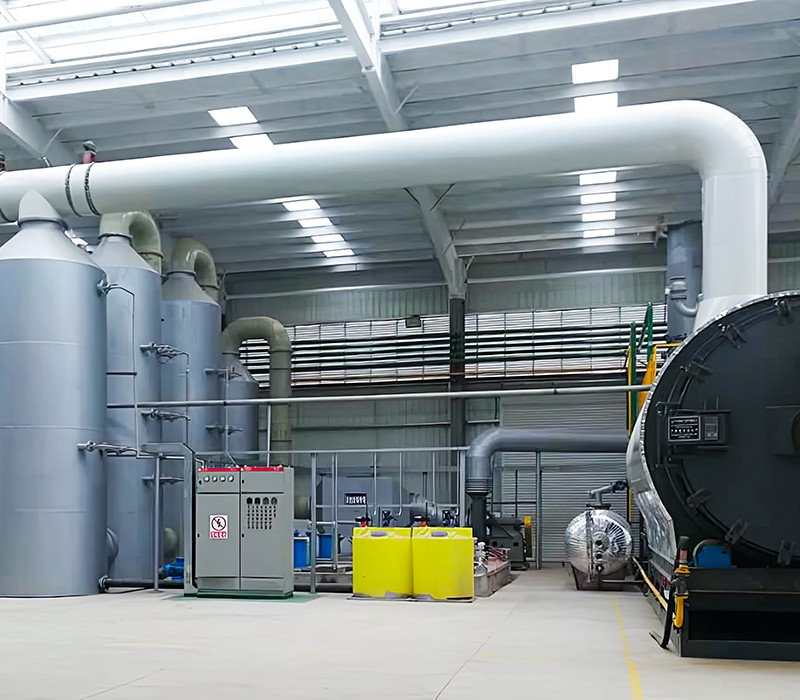
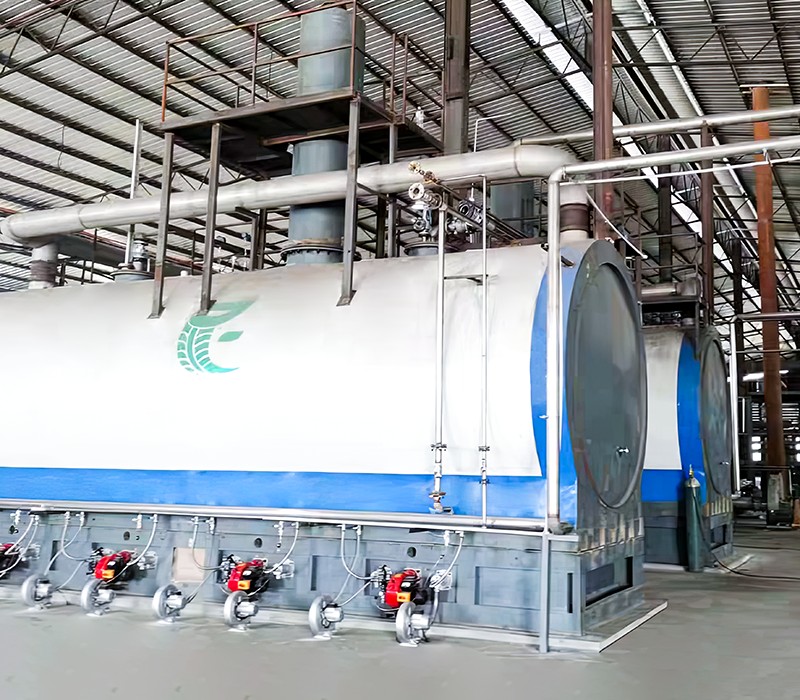
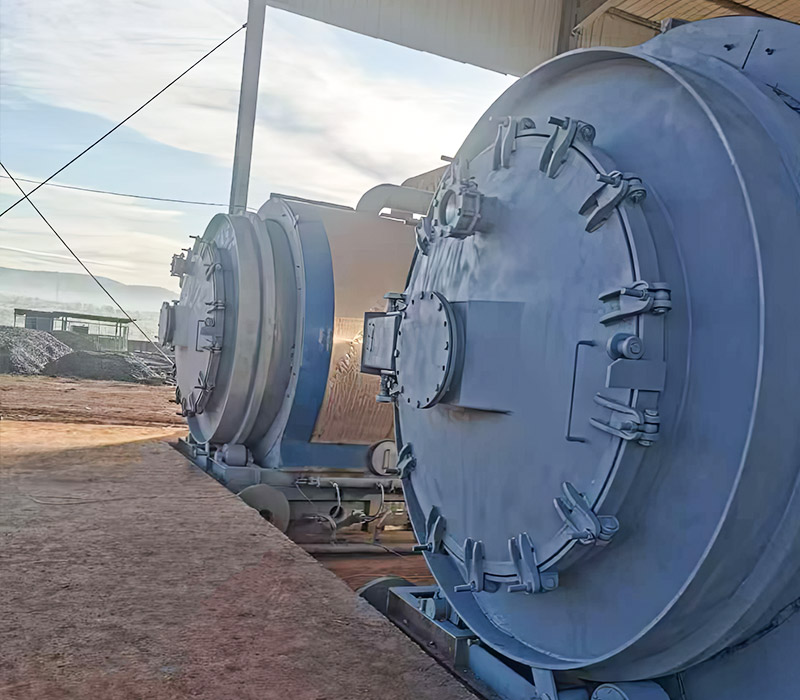
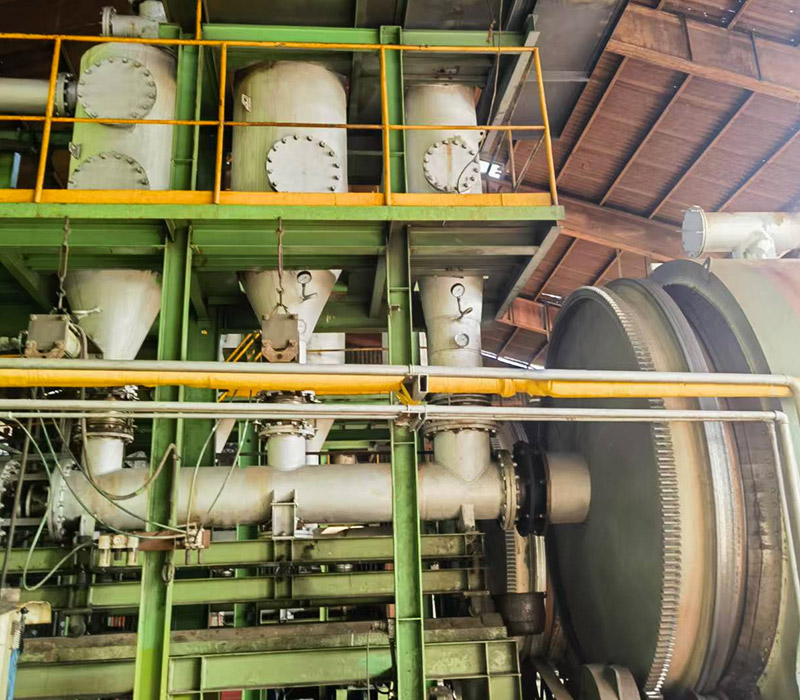
Pyrolysis is a thermal decomposition process conducted in an oxygen-deficient or oxygen-free environment. For medical waste, the main steps of pyrolysis include:
● High-Temperature Decomposition: Heating medical waste to 400°C–700°C to break it down into oil, gas, and char.
● Decontamination: High temperatures eliminate pathogens in medical waste while preventing the formation of harmful gases.
● Resource Recovery: Pyrolysis oil and char can be utilized for industrial production or energy supply, while non-condensable gases serve as fuel, reducing energy waste.
2. Advantages of Pyrolysis in Medical Waste Management
(1) Environmental Friendliness
Traditional methods, such as incineration, often produce harmful substances like dioxins. Pyrolysis operates in an oxygen-free environment, avoiding the release of such pollutants.
Moreover, the syngas generated during pyrolysis can be recovered and used, reducing carbon emissions.
(2) Efficiency and Cost-Effectiveness
Pyrolysis not only efficiently treats medical waste but also converts it into reusable energy and materials, achieving waste-to-resource transformation. This circular utilization model reduces processing costs while adding value to by-products.
(3) Flexibility
Pyrolysis equipment can handle various types of medical waste without the need for sorting, making it highly convenient for hospitals and large medical institutions.
3. Applications of Pyrolysis in Medical Waste Treatment
Globally, many countries have adopted pyrolysis technology for medical waste management:
● Europe: Small-scale pyrolysis units are used to process hospital waste, reducing transportation costs and pollution risks.
● China: Large-scale pyrolysis facilities have been established in some provinces to provide centralized services for medical institutions.
● United States: Pyrolysis is commonly employed to handle infectious and pharmaceutical waste, while also advancing waste-to-energy research.
4. Future Prospects
With the increasing volume of medical waste and stricter environmental regulations, pyrolysis technology holds significant potential for medical waste management. In the future, as the technology continues to advance, pyrolysis equipment will become more efficient and cost-effective, expanding its adoption globally. This technology not only protects the environment but also contributes to the development of a green economy.






Let's Pyrolysis!


 +44 7529 150720
  [email protected]
  300 meters east of the South Railway Station in Shangqiu City, Henan Province
  Global Waste-to-Energy Solutions Waste Resource Utilization Equipment Manufacturer

 Profit Calculator
 English
 русский
 Français
 Español
 عربى
عربى