
 3 minutes
1. Pyrolysis as a Cleaner Waste Management Option
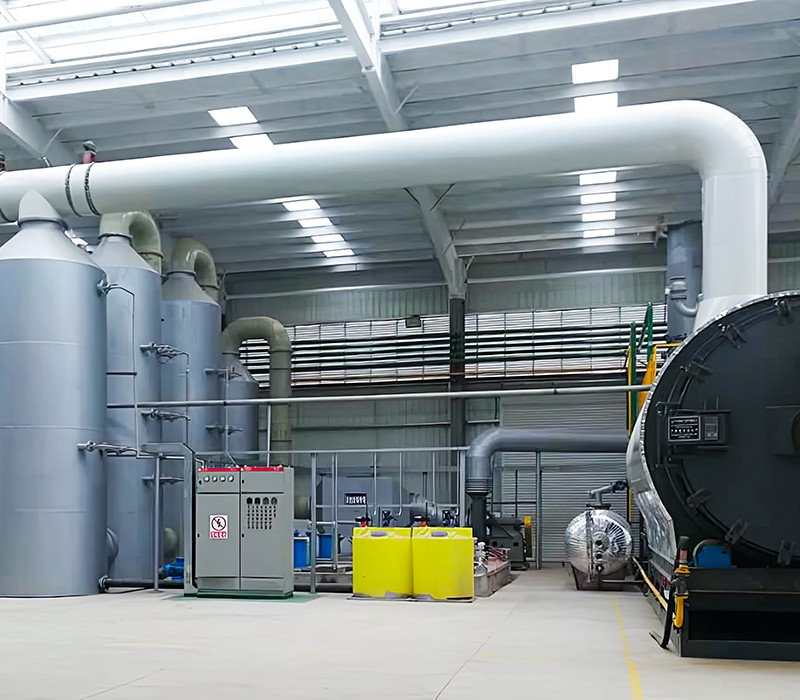
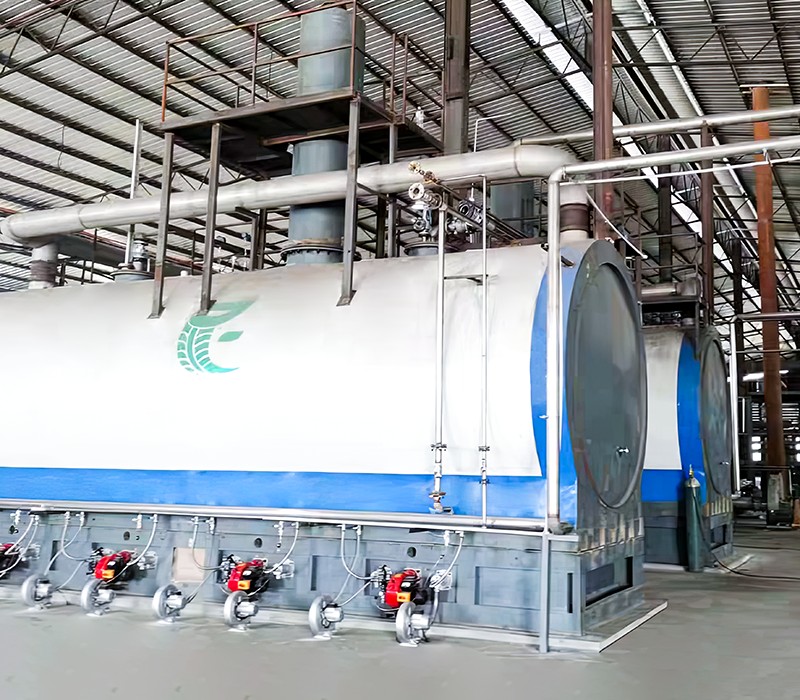
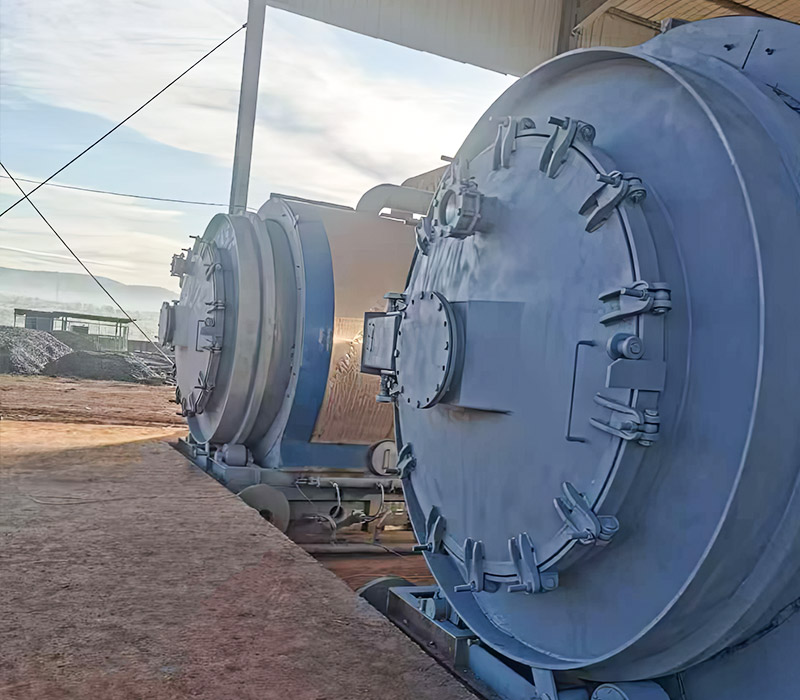
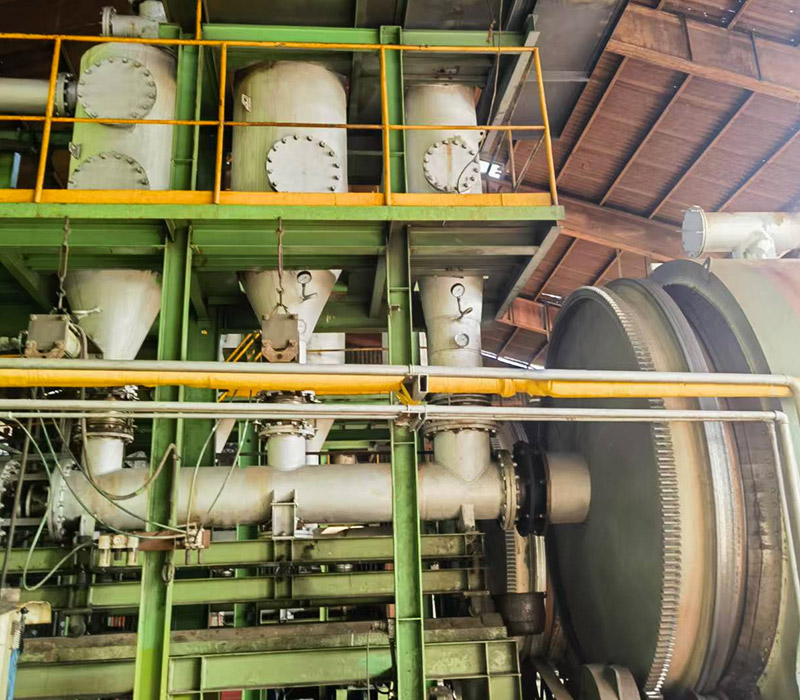
Pyrolysis technology offers a more sustainable and cleaner alternative to traditional waste management methods, such as incineration or landfilling. In incineration, waste is burned at high temperatures, which can release harmful pollutants, including carbon dioxide (CO2), nitrogen oxides (NOx), and particulate matter, contributing to air pollution. In contrast, pyrolysis takes place in an oxygen-free environment, preventing the formation of these harmful emissions. By converting waste materials like plastics, tires, and biomass into valuable products such as bio-oil, syngas, and carbon black, pyrolysis helps reduce the volume of waste that would otherwise end up in landfills or be incinerated, significantly lowering greenhouse gas emissions.
2. Pyrolysis and Greenhouse Gas Reduction
One of the primary benefits of pyrolysis technology is its potential to reduce greenhouse gas emissions. During pyrolysis, organic waste materials like plastics and biomass are heated in a controlled, oxygen-free environment, which results in the production of bio-oil and syngas. These products can be used as renewable energy sources, replacing fossil fuels and reducing carbon emissions. Furthermore, the process of pyrolysis minimizes methane and carbon dioxide emissions, which are commonly released in traditional waste disposal methods. By harnessing the energy content in waste materials, pyrolysis helps divert harmful pollutants from being released into the atmosphere and contributes to the fight against climate change.
3. Supporting Circular Economy and Sustainable Practices
In addition to its direct impact on emission reduction, pyrolysis plays a crucial role in advancing the circular economy. By converting waste into valuable resources, pyrolysis promotes the reuse and recycling of materials, minimizing the need for virgin resources and reducing overall environmental impact. For example, the carbon black produced from the pyrolysis of waste tires can be used in the production of new tires or in other industrial applications, reducing the need for natural rubber. By closing the loop in waste management, pyrolysis not only reduces emissions but also contributes to sustainable resource management, fostering long-term environmental and economic benefits.






Let's Pyrolysis!


 +44 7529 150720
  [email protected]
  300 meters east of the South Railway Station in Shangqiu City, Henan Province
  Global Waste-to-Energy Solutions Waste Resource Utilization Equipment Manufacturer

 Profit Calculator
 English
 русский
 Français
 Español
 عربى
عربى