
 3 minutes
1. Challenges of Electronic Waste Management
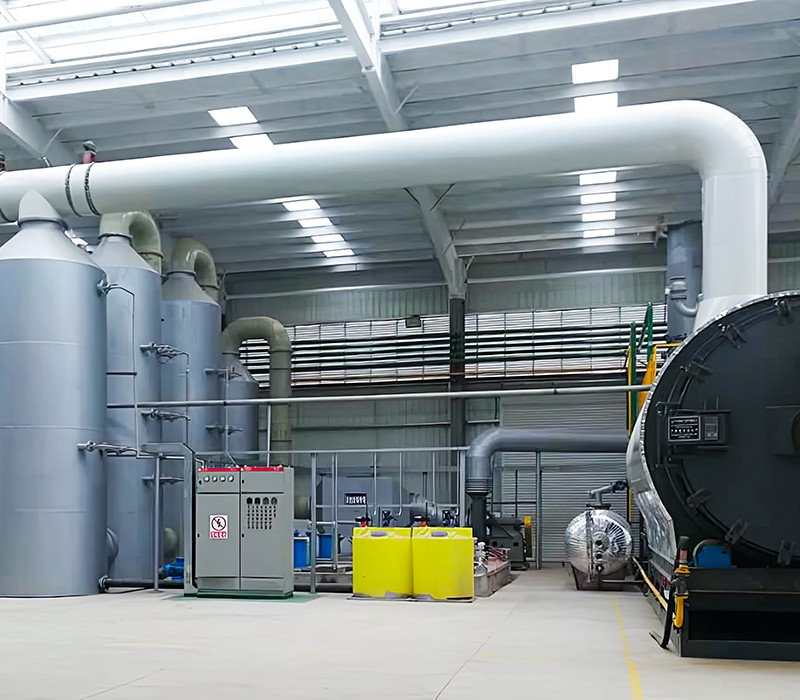
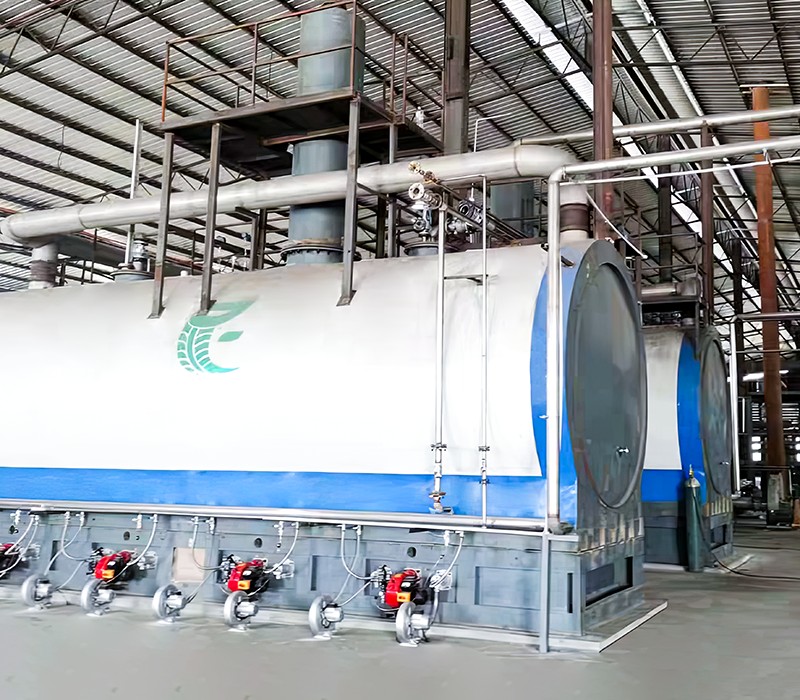
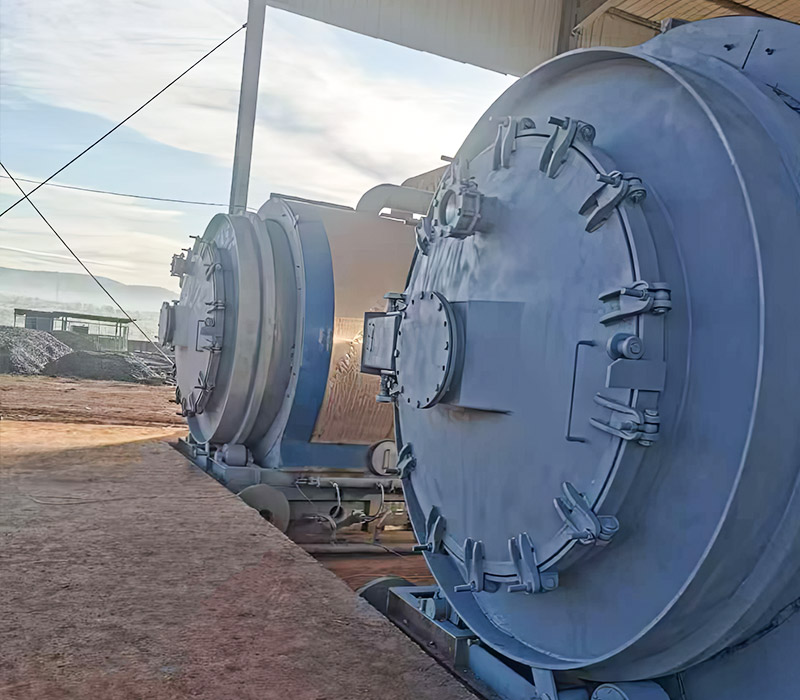
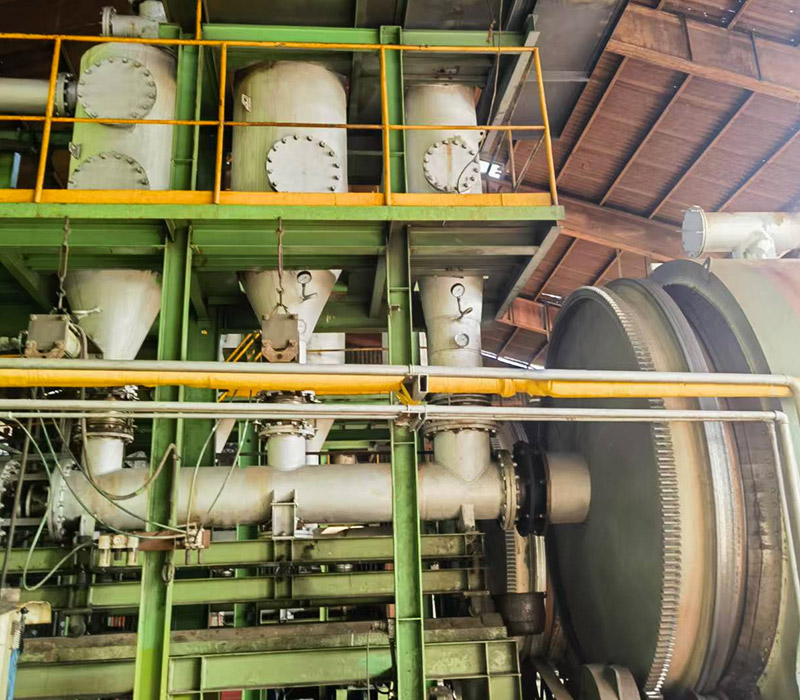
Electronic waste (e-waste) is one of the fastest-growing waste streams globally, posing significant environmental and health challenges. Containing a mixture of valuable metals, plastics, and hazardous materials, improper disposal of e-waste can lead to soil, water, and air pollution. Traditional recycling methods often fail to recover all valuable components or require extensive manual sorting. This is where pyrolysis technology offers an innovative solution. By thermally decomposing e-waste in an oxygen-free environment, pyrolysis efficiently separates metals from plastics, reducing the need for harmful chemical processes while recovering valuable resources.
2. Pyrolysis Benefits in E-Waste Recycling
Pyrolysis technology is particularly effective in handling the complex composition of e-waste. During the process, plastics are converted into useful byproducts like synthetic fuels or oils, while metals remain intact and can be easily recovered. This not only reduces waste volume but also provides a sustainable way to reclaim critical materials such as copper, gold, and rare earth elements, which are essential for modern electronics. Moreover, pyrolysis eliminates the release of toxic fumes typically associated with burning e-waste, making it a safer and more environmentally friendly recycling option.
3. Future Potential and Applications
The adoption of pyrolysis in e-waste management has vast potential for creating a circular economy in the electronics industry. By recovering and reusing materials from discarded devices, manufacturers can reduce their reliance on virgin resources, lowering production costs and environmental impact. As technology advances, specialized pyrolysis systems are being developed to handle specific types of e-waste, such as printed circuit boards or lithium-ion batteries. With increasing awareness of sustainable practices, pyrolysis is expected to play a critical role in addressing the global e-waste crisis.






Let's Pyrolysis!


 +44 7529 150720
  [email protected]
  300 meters east of the South Railway Station in Shangqiu City, Henan Province
  Global Waste-to-Energy Solutions Waste Resource Utilization Equipment Manufacturer

 Profit Calculator
 English
 русский
 Français
 Español
 عربى
عربى