
 10 minutes
With the global population growth and changes in lifestyle, the amount of food waste is also increasing rapidly. Food waste not only wastes a lot of resources, but also puts great pressure on the environment. Landfill and incineration of food waste will release a lot of greenhouse gases and aggravate climate change. Therefore, it is becoming increasingly important to explore a sustainable and efficient treatment method. As a method that can convert organic waste into energy and useful products, pyrolysis technology provides new possibilities for the resource utilization of food waste.
1. Characteristics of food waste and applicability of pyrolysis
The composition of food waste is complex, mainly composed of water, organic matter (carbohydrates, proteins, fats) and a small amount of inorganic matter. It has a high water content and relatively low calorific value, but contains rich pyrolyzable components. Food waste can be converted into usable energy and by-products through pyrolysis, including:
Pyrolysis oil: a liquid fuel with high energy density that can replace diesel or be further refined into fuel oil.
Non-condensable gas: combustible gases such as methane and hydrogen, which can be used directly as fuel or for power generation.
Biochar: It can be used as a soil conditioner and as a carbon sink to help fix carbon and reduce greenhouse gas emissions.
Pyrolysis of food waste has many advantages, especially in terms of conversion into biofuels and reducing greenhouse gas emissions.
2. Potential and advantages of pyrolysis of food waste
Production of renewable energy
Through pyrolysis, food waste can be converted into bio-oil and syngas, which can be used for power generation, heating and even transportation fuel. Unlike traditional fossil fuels, food waste is a renewable resource that can be recycled to generate new energy after use.
Due to the variety of food waste, by optimizing the pyrolysis process, the product ratio can be adjusted for different raw materials to achieve higher fuel efficiency.
Reduce greenhouse gas emissions
Food waste decomposes and releases methane during landfill, which is a more potent greenhouse gas than carbon dioxide. Through pyrolysis technology, greenhouse gas emissions caused by landfill can be avoided, and the carbon in the waste can be fixed as biochar to reduce the impact on the atmosphere.
As a byproduct of pyrolysis, biochar has high stability and can store carbon for a long time, which helps to achieve carbon neutrality.
Application of biochar
The biochar produced during the pyrolysis process can be used as a soil conditioner, which helps to increase soil fertility, improve soil structure, and help crops retain water and fertilizer.
At the same time, biochar has good adsorption and can be used for the remediation of heavy metal-contaminated soil.
In the agricultural field, biochar can also reduce the use of chemical fertilizers and help achieve a more sustainable agricultural production model.
Resource utilization of waste
Pyrolysis converts food waste into useful energy and materials, realizes the resource utilization of waste, and reduces the consumption of natural resources. Food waste is cheap and widely available as a raw material. The use of pyrolysis technology can effectively reduce the amount of urban garbage processed.
In addition, pyrolysis technology can be applied to different types of food waste, with high flexibility and wide adaptability, providing more possibilities for waste management.
3. Challenges of pyrolysis of food waste
Treatment of high moisture content
Food waste usually contains high moisture, which increases the energy consumption of the pyrolysis process and reduces the pyrolysis efficiency. In order to improve the pyrolysis efficiency, food waste needs to be pretreated (such as dehydration and drying) before pyrolysis, which increases the overall processing cost.
Developing efficient dehydration technology or low-temperature pyrolysis technology is the key to solving this problem.
Equipment and process complexity
The composition of food waste is diverse and complex. The pyrolysis process requires precise temperature and time control, and the equipment design and operation requirements are high. Especially in large-scale applications, complex equipment and automated control systems are required, which increases the initial investment cost and maintenance cost.
Research and optimization of special pyrolysis technology and equipment suitable for the characteristics of food waste will help promote its practical application.
Product quality stability
Due to the different components of food waste, the quality of pyrolysis products may be unstable. Bio-oil has a high oxygen content and poor stability, and needs further refining before it can be used as a high-quality fuel; and the quality of biochar will also vary depending on the raw materials.
Establishing a classification and treatment system for different food wastes and improving the refining process of the products will help enhance the market application value of the products.
Lack of policy support and market demand
Although food waste pyrolysis has obvious environmental and energy advantages, there is a lack of relevant policy support in many countries and regions, resulting in a slow pace of technology promotion. The lack of incentives and market demand makes investors and companies face certain economic risks when choosing pyrolysis technology.
The government can support the development of food waste pyrolysis technology and promote its commercial application by issuing relevant subsidy policies, tax relief measures, etc.
4. Future development direction and suggestions
Technological innovation and process optimization
In view of the high moisture characteristics of food waste, develop efficient low-temperature pyrolysis technology or combined drying-pyrolysis process to reduce energy consumption and improve overall process efficiency. In addition, by developing new catalysts, improve the quality of pyrolysis products, and increase the fuel value and stability of pyrolysis oil.
Establish regional treatment facilities
Establishing regional food waste pyrolysis treatment facilities in urban and rural areas will help reduce transportation costs and improve the efficiency of local resource utilization.
Through reasonable planning, a centralized food waste collection and treatment center can be established to achieve large-scale treatment and energy recovery.
Policy support and public education
The government can encourage enterprises and institutions to use pyrolysis technology to treat food waste by formulating policies and providing financial support. At the same time, through public education, enhance the public's awareness of food waste pyrolysis and improve awareness of waste classification and resource utilization.
Market promotion and product development
Promote the market application of pyrolysis products such as biochar and pyrolysis oil, and encourage the extensive use of these products in agriculture, energy and environmental protection. By developing diversified product application scenarios, the market demand for pyrolysis products will be increased, and the economic feasibility of food waste pyrolysis projects will be increased.
Food waste pyrolysis technology provides a feasible solution for resource recovery and environmental protection. Through pyrolysis technology, food waste can be converted into energy and useful by-products, realizing the resource utilization of waste. Although there are some challenges in practical application, with the advancement of technology and the strengthening of policy support, the potential of food waste pyrolysis will be gradually released. In the future, food waste pyrolysis is expected to play a greater role in achieving carbon neutrality, promoting circular economy and reducing environmental pollution.

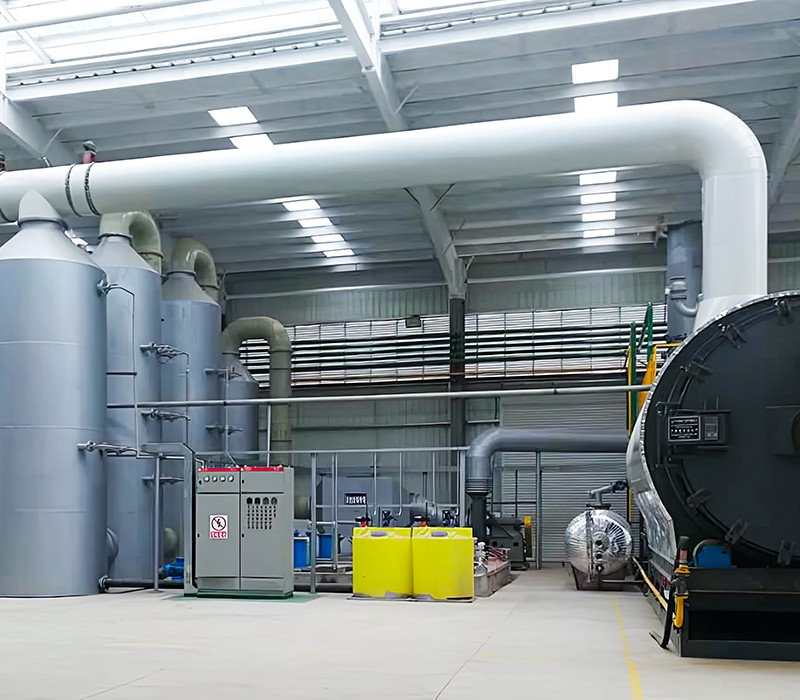
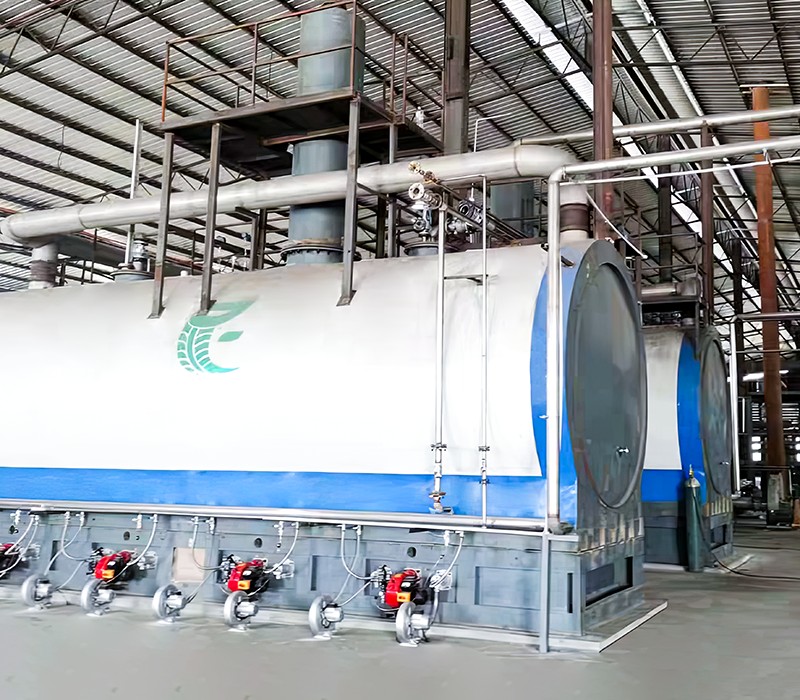


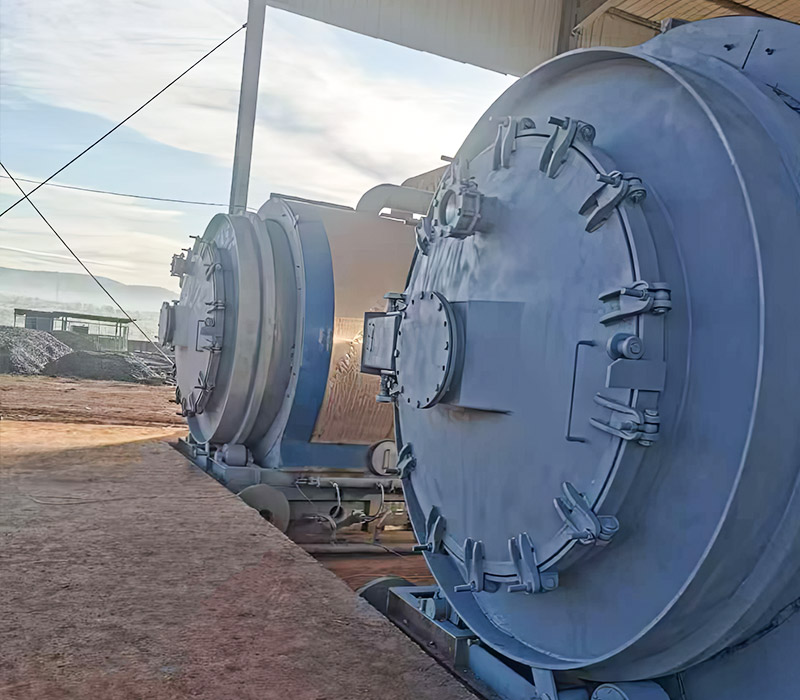
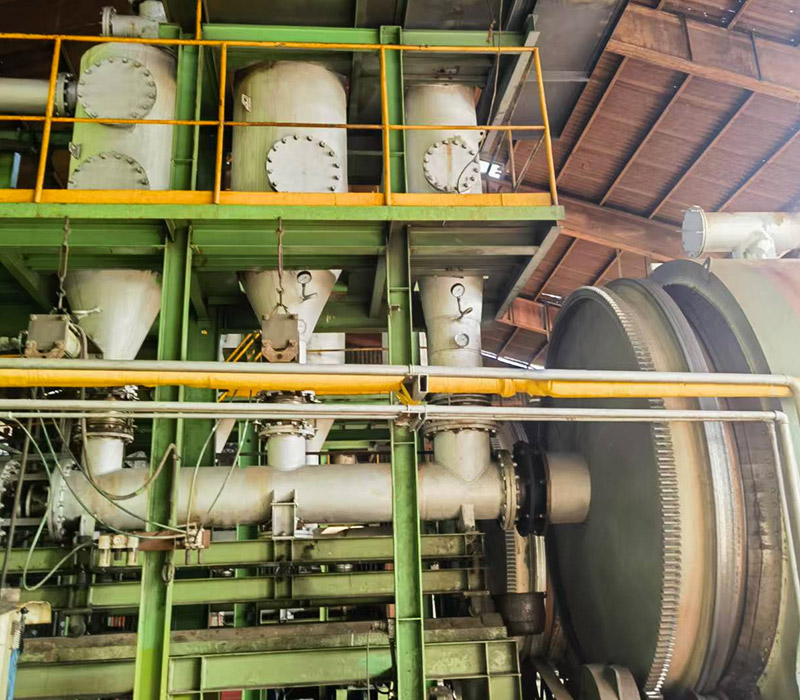



Let's Pyrolysis!


 +44 7529 150720
  [email protected]
  300 meters east of the South Railway Station in Shangqiu City, Henan Province
  Global Waste-to-Energy Solutions Waste Resource Utilization Equipment Manufacturer

 Profit Calculator
 English
 русский
 Français
 Español
 عربى
عربى