
 5 minutes
1. Regularly Check Equipment Performance
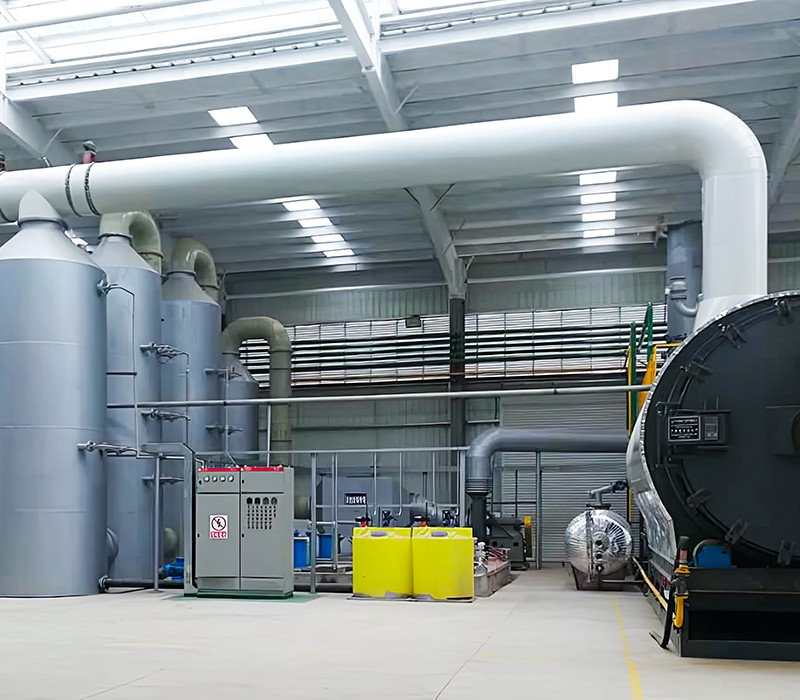
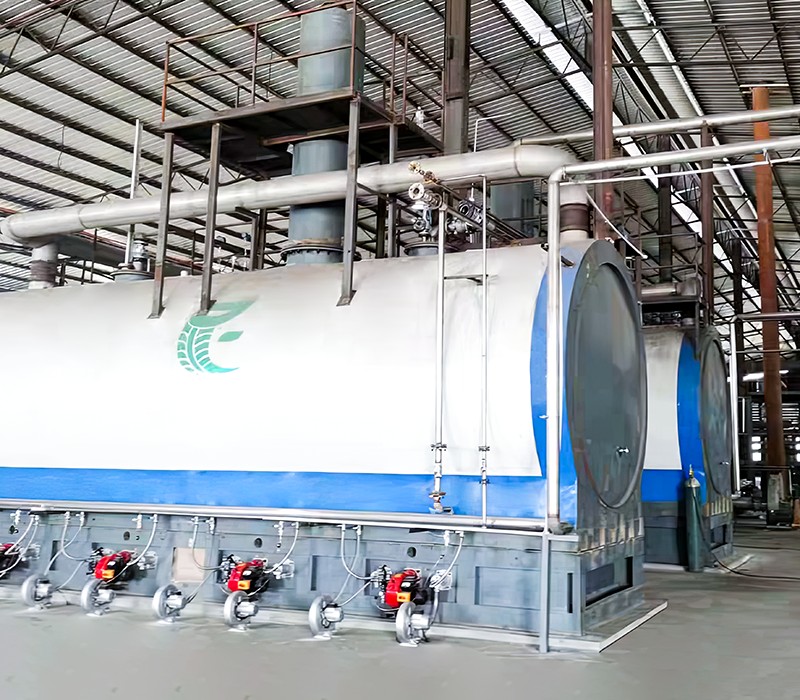
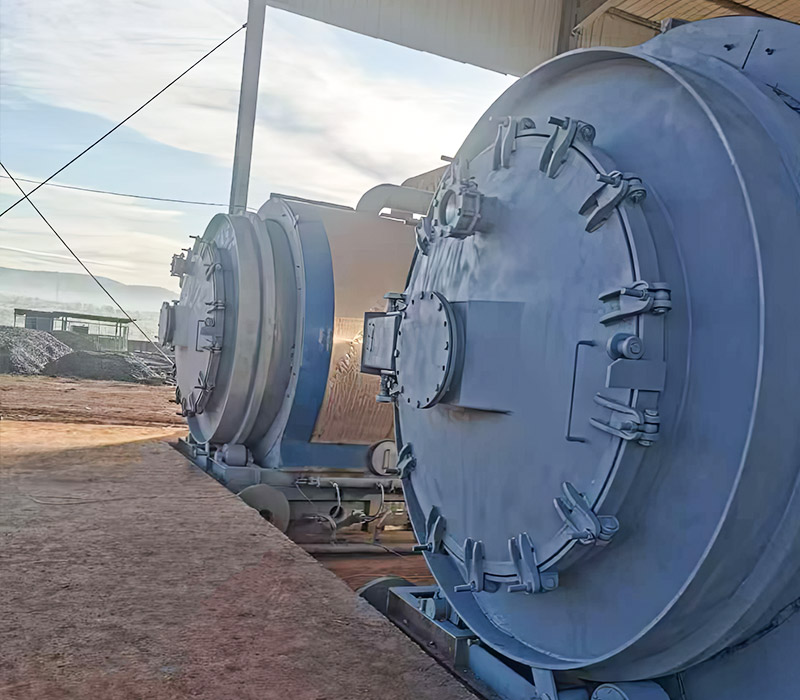
Pyrolysis equipment operates under high temperature and high pressure, so regular checks on its performance are essential for ensuring long-term, stable operation. First, check the temperature sensors, pressure sensors, and gas flow meters in the pyrolysis furnace to ensure they are functioning correctly. Malfunctions in these sensors can affect the precise control of the pyrolysis process and result in unstable product quality. Additionally, regularly inspect the equipment for airtightness to prevent leaks, which could release harmful gases and compromise operational safety.
2. Cleaning and Lubrication Maintenance
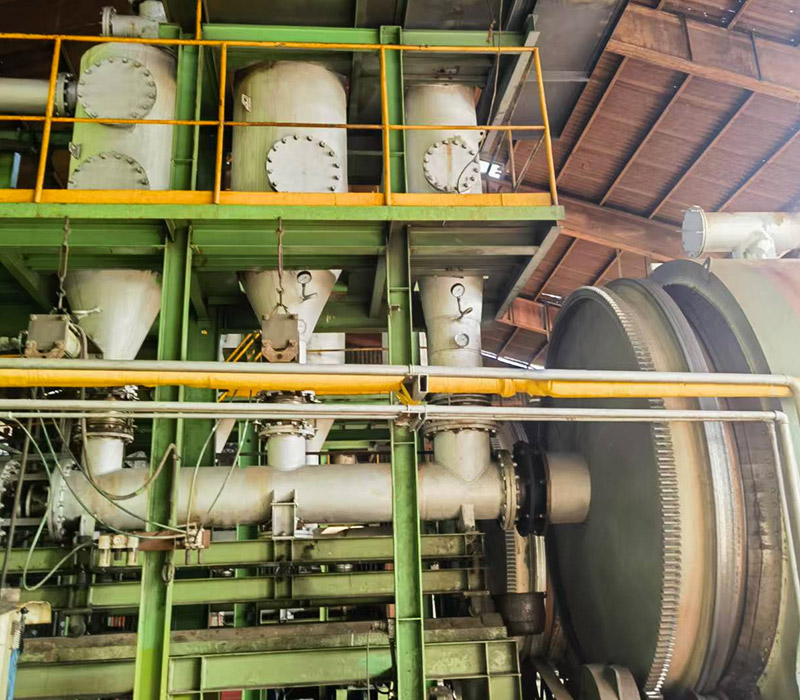
During operation, pyrolysis equipment accumulates carbon residues and dust, so regular cleaning of the equipment is vital for extending its service life. The heating zone and gas pipelines, in particular, should be cleaned regularly to ensure smooth gas flow. Furthermore, moving parts such as the drive system and fans should be lubricated periodically to prevent wear and mechanical failures. Use the appropriate lubricants and cleaning agents to ensure the smooth and unobstructed operation of all components.
3. Regular Replacement of Worn-Out Parts
Pyrolysis equipment often operates under high temperatures for extended periods, which can cause wear or aging of certain components. Regular replacement of worn-out parts is crucial for maintaining performance. Seals, filters, and high-temperature-resistant materials, for example, may lose their sealing properties or heat resistance over time, affecting both safety and performance. Therefore, it is important to follow the manufacturer's recommendations for replacement schedules to ensure that the equipment remains in optimal working condition.






Let's Pyrolysis!


 +44 7529 150720
  [email protected]
  300 meters east of the South Railway Station in Shangqiu City, Henan Province
  Global Waste-to-Energy Solutions Waste Resource Utilization Equipment Manufacturer

 Profit Calculator
 English
 русский
 Français
 Español
 عربى
عربى