
 5 minutes
Pyrolysis technology, which decomposes waste under high-temperature and oxygen-free conditions into valuable products such as pyrolysis oil, carbon black, and non-condensable gases, is an environmentally friendly waste treatment method. To comprehensively understand its environmental, economic, and societal impacts, Life Cycle Assessment (LCA) provides a scientific framework. This article explores resource utilization, energy balance, and environmental impact across the life cycle of pyrolysis technology.
1. Definition and Significance of Life Cycle Assessment (LCA)
LCA is an analytical tool used to evaluate the impact of a product or system on resources, energy, and the environment throughout its life cycle. From raw material extraction to production, use, and disposal, LCA quantifies carbon emissions, water footprints, and energy consumption, offering insights for optimization strategies. For pyrolysis technology, LCA identifies critical impact factors and aids in achieving sustainability.
2. Key Stages in the Life Cycle of Pyrolysis Technology
● Raw Material Stage
1) Waste Collection and Transportation
The life cycle begins with collecting and transporting raw materials such as waste tires, plastics, or biomass. Energy consumption and emissions depend on the transport distance and method.
2) Pre-Treatment
Waste often requires shredding, drying, or sorting to enhance pyrolysis efficiency, which may involve electricity use and waste handling.
● Production Stage
1) Reaction Process
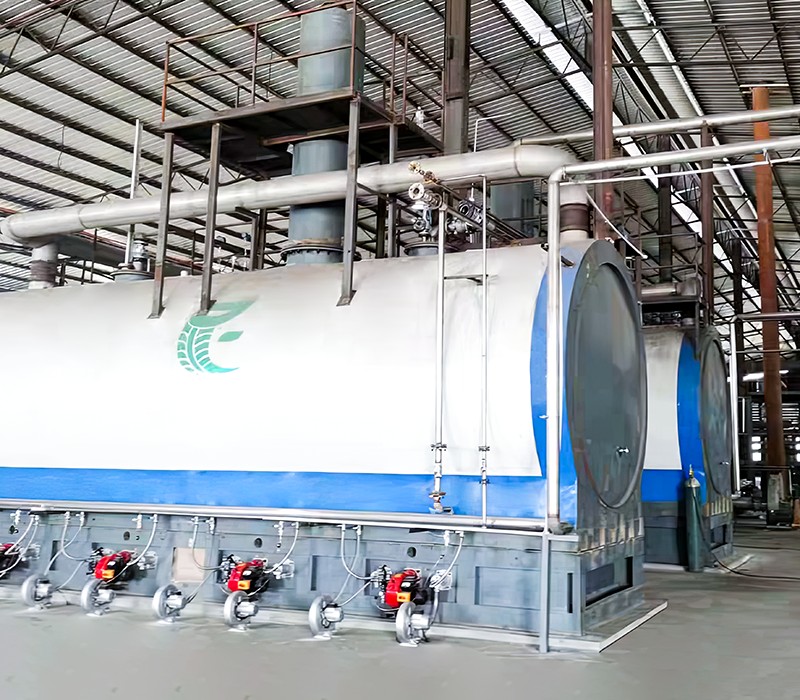
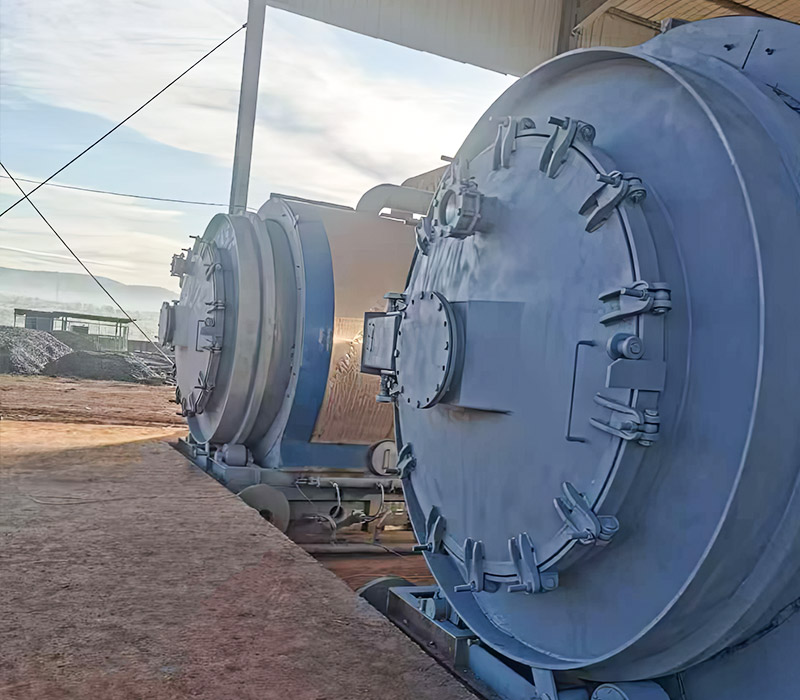
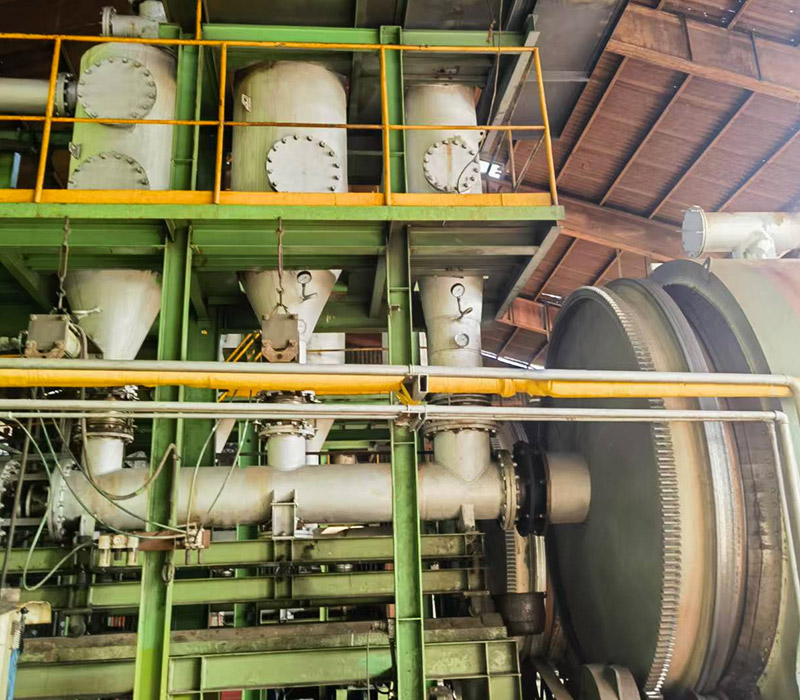
High-temperature conditions are essential for pyrolysis. Energy requirements are typically met through electricity, gas, or syngas combustion. Oil, gas, carbon black, and syngas are primary outputs, with yield rates determining resource efficiency.
2) Emission Control
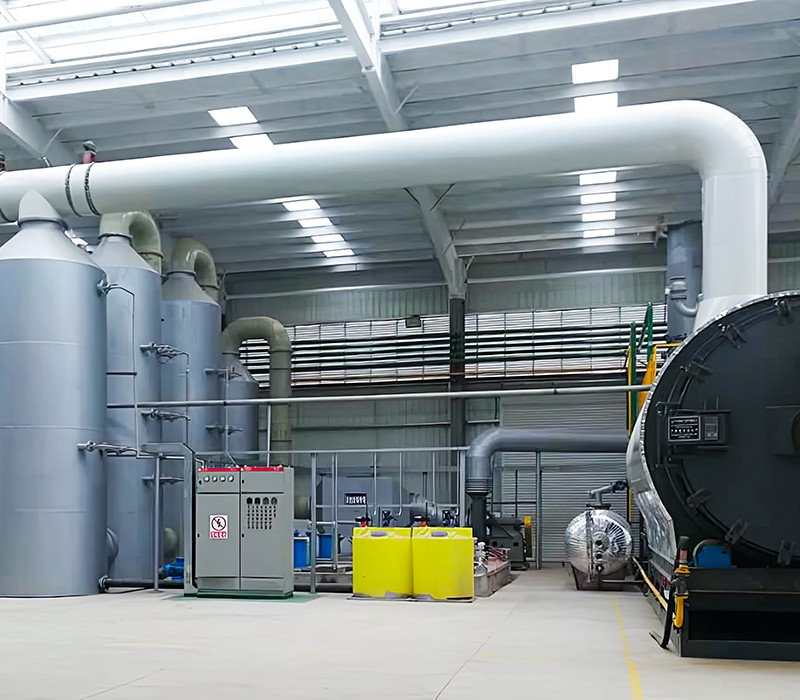
Advanced desulfurization and dust removal systems reduce pollutants, ensuring an eco-friendly production process.
● Usage Stage
Products like pyrolysis oil and carbon black are further processed and utilized. For example, pyrolysis oil serves as fuel, and carbon black is used as an industrial additive or raw material. Impacts depend on the application scope and the environmental footprint of replaced traditional resources.
● Disposal Stage
1) Residue Management
Residual oil and minor unrecyclable waste require proper handling to prevent secondary pollution.
2) Equipment Lifespan and Disposal
The lifespan and disposal of pyrolysis equipment also affect the environmental performance of the entire life cycle.
3. LCA Findings and Optimization Directions
● Carbon Emission Analysis
1) The use of non-condensable gases during the pyrolysis process significantly reduces external energy dependence and carbon emissions.
2) Optimizing transport methods or sourcing local materials can reduce emissions from long-distance transportation.
● Resource Utilization Efficiency
1) Enhancing the efficiency of raw material pre-treatment and pyrolysis conversion maximizes resource use and minimizes waste.
2) Increasing the value of by-products, such as upgrading carbon black to activated carbon, further improves overall benefits.
● Environmental Impact Mitigation
1) Substituting fossil fuels with renewable energy (e.g., solar or wind) reduces energy consumption and emissions during equipment operation.
2) Improving gas treatment systems ensures compliance with or exceeds emission standards.
Conclusion
LCA provides a comprehensive analysis of the environmental, economic, and societal impacts of pyrolysis technology. From raw material selection to production, product use, and disposal, each stage offers insights into achieving resource recycling and environmental goals. With technological innovation and policy support, pyrolysis technology will play a greater role in improving resource efficiency and reducing environmental impact, contributing to sustainable development.






Let's Pyrolysis!


 +44 7529 150720
  [email protected]
  300 meters east of the South Railway Station in Shangqiu City, Henan Province
  Global Waste-to-Energy Solutions Waste Resource Utilization Equipment Manufacturer

 Profit Calculator
 English
 русский
 Français
 Español
 عربى
عربى