
 5 minutes
Content
Batch pyrolysis equipment is widely used for converting waste materials such as tires, plastics, and biomass into fuel and carbon-rich byproducts. While it offers efficiency and environmental benefits, maintenance is a key factor that influences its long-term performance and safety. Proper maintenance ensures optimal heat transfer, reduces wear, and prevents operational hazards.
Understanding whether batch pyrolysis equipment is difficult to maintain requires examining the main components, operational cycles, and the specific challenges associated with high-temperature pyrolysis processes. This knowledge helps operators implement systematic preventive measures to avoid downtime and costly repairs.
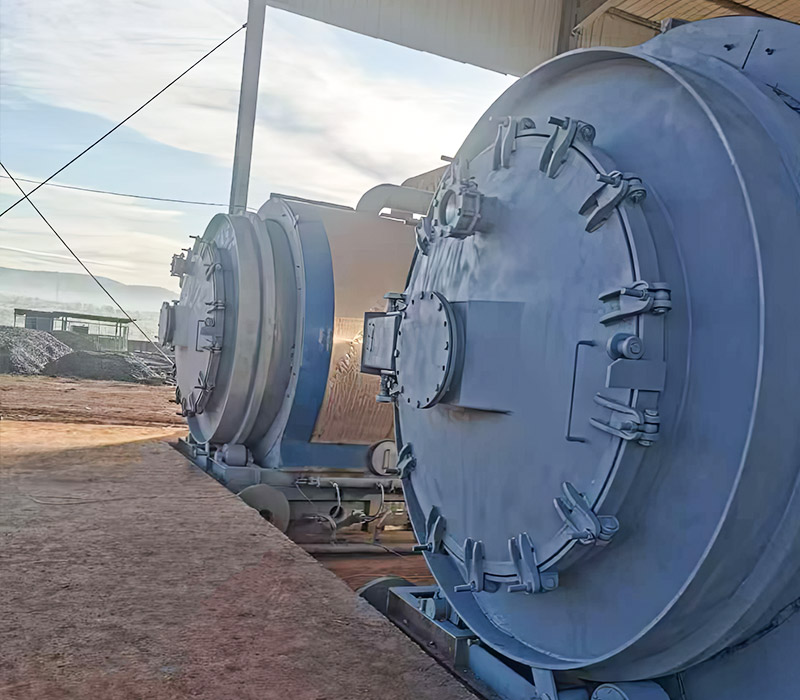
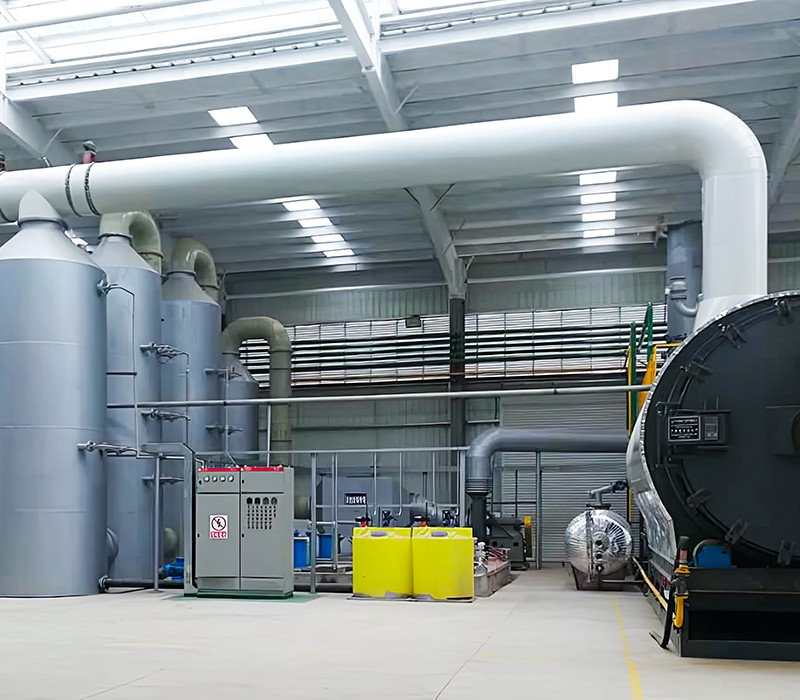
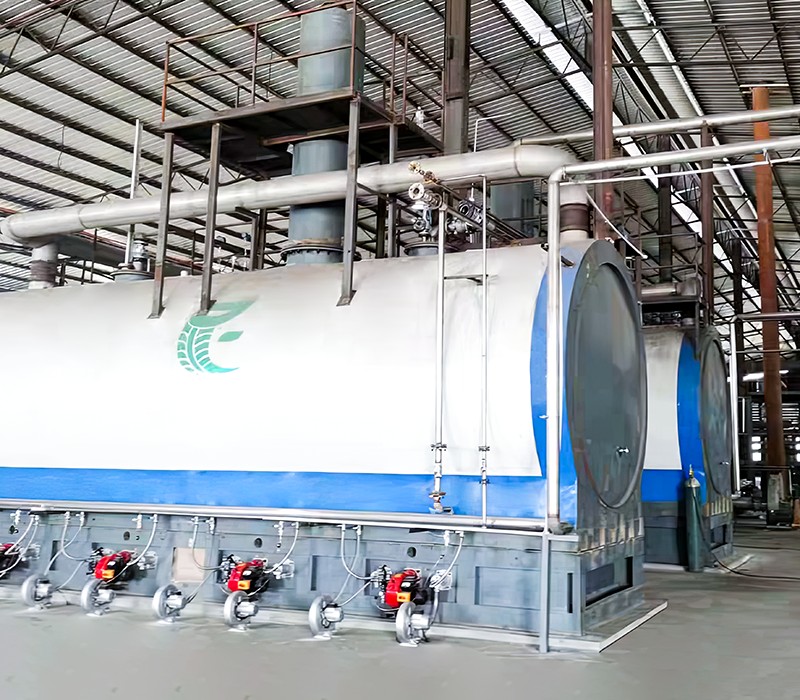
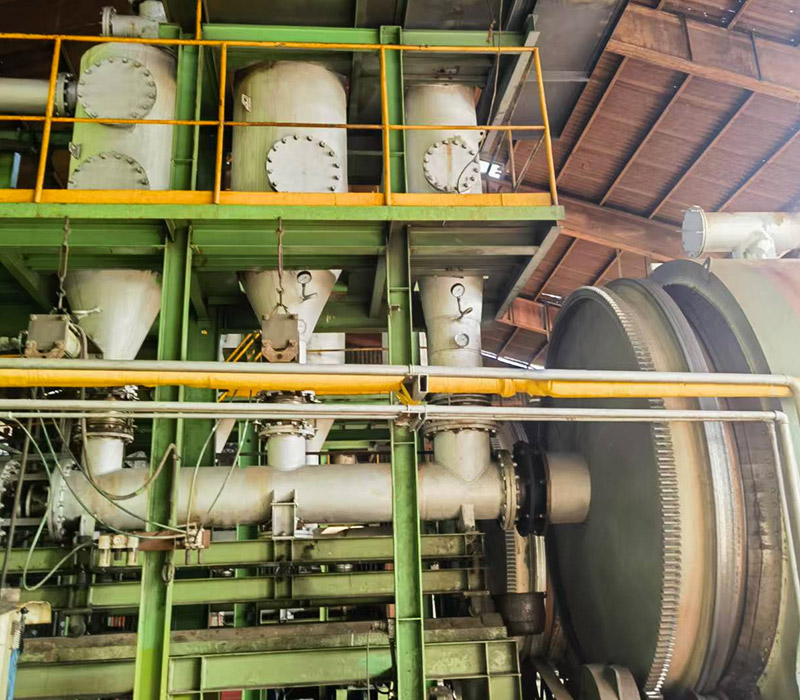
The complexity of maintenance depends on the number of critical components within the batch pyrolysis system. These typically include the reactor chamber, heating system, condenser, oil collection system, and ash removal units. Each component has unique maintenance requirements to maintain safety and efficiency.
Reactor chambers, often made of high-grade steel, must be inspected for corrosion, cracks, or thermal fatigue. Heating systems, whether electric or fuel-based, require regular calibration and cleaning to ensure uniform temperature distribution. Condensers must be cleaned periodically to avoid clogging and maintain oil collection efficiency.
One of the most time-intensive maintenance tasks is cleaning. Batch pyrolysis involves high-temperature decomposition of waste, which generates tar, ash, and other residues. These residues accumulate on the reactor walls and pipelines, potentially affecting heat transfer and flow efficiency.
Cleaning requires cooling the reactor to a safe temperature, manually removing solid residues, and flushing pipelines. Depending on the material processed, residue hardness can vary. Operators should follow recommended cleaning intervals to prevent build-up that could lead to blockages or overheating.
Regular inspections are crucial for preventing mechanical failure. Key points include checking reactor integrity, heating element functionality, insulation conditions, and pressure relief systems. Monitoring equipment for unusual noises, vibrations, or leaks can prevent small issues from escalating into major failures.
Thermal cameras or infrared sensors can assist in detecting hot spots, while periodic material thickness measurements ensure that the reactor walls remain within safety limits. Inspection frequency may vary depending on usage intensity, material type, and operational temperature.
Batch pyrolysis equipment often incorporates moving components such as rotary feeders, valves, or ash discharge systems. These parts require regular lubrication and mechanical adjustments to prevent wear and tear. Using the correct type of lubricant is essential, especially in high-temperature environments where ordinary oils can degrade.
Operators should also check alignment, bolt tightness, and wear indicators for mechanical parts. Preventive maintenance schedules can minimize the risk of sudden breakdowns that interrupt production cycles.
Preventive maintenance is the most effective approach to managing batch pyrolysis equipment. Developing a comprehensive maintenance schedule that includes daily, weekly, and monthly tasks ensures consistent performance and extends equipment lifespan.
Preventive measures include:
Maintenance difficulty is also affected by operator knowledge and training. Properly trained personnel can conduct cleaning, inspection, and lubrication more efficiently while minimizing safety risks. High-temperature operations demand careful handling to avoid burns, chemical exposure, or equipment damage.
Safety measures such as protective gloves, face shields, and fire extinguishing systems are critical. Detailed operation manuals and standard operating procedures (SOPs) help streamline maintenance tasks and reduce errors during high-risk procedures.
The type of material processed can influence maintenance difficulty. Rubber, plastics, and biomass produce different levels of tar, ash, or corrosive residues. Materials high in moisture or metals may accelerate corrosion or blockages. Understanding material characteristics allows operators to adjust cleaning frequency and maintenance intensity accordingly.
Batch pyrolysis equipment designed for mixed waste streams may include additional features such as removable liners or filters to simplify maintenance, reducing downtime and labor effort.
Maintenance requires both labor and cost investment. While cleaning and inspections may be labor-intensive, regular preventive maintenance reduces long-term repair costs and production losses. Investing in durable components and automated monitoring systems can further reduce maintenance frequency and difficulty.
A practical approach balances operational efficiency with maintenance requirements, ensuring that equipment remains productive without excessive downtime.
Overall, batch pyrolysis equipment is not inherently difficult to maintain, but it demands structured, proactive management. Key challenges include high-temperature cleaning, residue handling, and mechanical component care. With trained operators, preventive schedules, and proper tools, maintenance becomes manageable and predictable.
Compared with continuous pyrolysis systems, batch units allow easier access to internal components, making maintenance more straightforward. However, neglecting routine tasks can lead to accelerated wear, reduced efficiency, and potential safety risks.
Batch pyrolysis equipment maintenance requires attention to detail, regular inspections, and preventive care. While it involves multiple tasks, structured maintenance plans and trained operators can significantly reduce difficulty. With proper management, batch pyrolysis systems can operate safely, efficiently, and reliably for many years.
Understanding equipment components, cleaning requirements, lubrication needs, and safety measures ensures that operators can maintain their systems effectively, preventing costly downtime and extending the lifespan of batch pyrolysis equipment.







Let's Pyrolysis!


 +44 7529 150720
  [email protected]
  300 meters east of the South Railway Station in Shangqiu City, Henan Province
  Global Waste-to-Energy Solutions Waste Resource Utilization Equipment Manufacturer

 Profit Calculator
 English
 русский
 Français
 Español
 عربى
عربى