
 5 minutes
Pyrolysis equipment is an environmentally friendly system that transforms waste tires, plastics, oil sludge, and other materials into fuel oil, carbon black, and combustible gas through high-temperature decomposition. Proper installation and commissioning of the equipment are critical for stable operation and efficient production. This article outlines the process in three stages: preparation, installation, and commissioning.
1. Preparation
● Site Selection and Foundation Construction
Ensure the site is level, well-ventilated, and has sufficient load-bearing capacity.
Follow the equipment layout plan to construct a concrete foundation in advance, leaving spaces for anchor bolts.
● Equipment Inspection
Verify that the equipment list is complete and check for any physical damage.
Ensure the equipment meets the design specifications by comparing it with the technical parameters.
● Tools and Personnel Preparation
Prepare necessary tools such as lifting equipment and welding machines.
Ensure installation personnel are qualified and experienced.
2. Equipment Installation
● Installation of Major Components
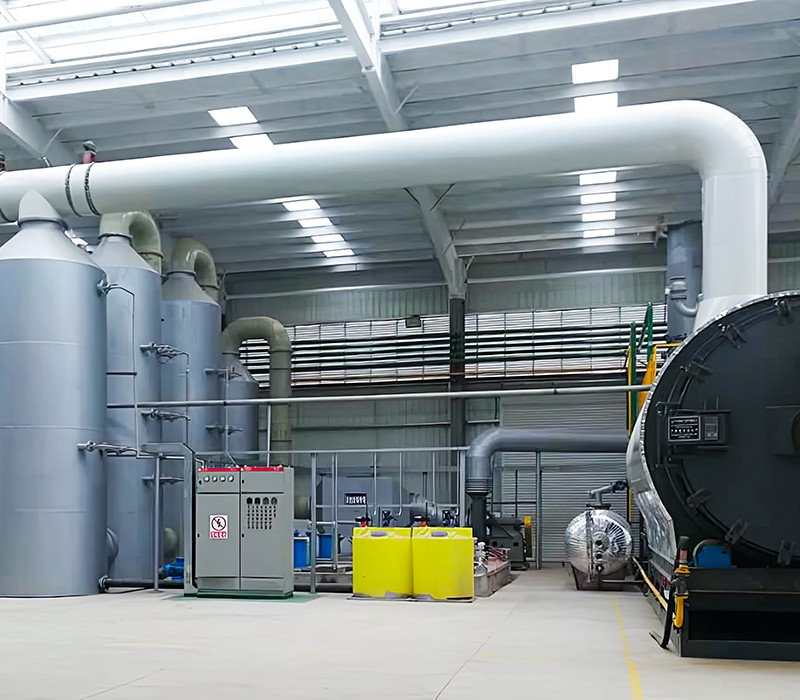
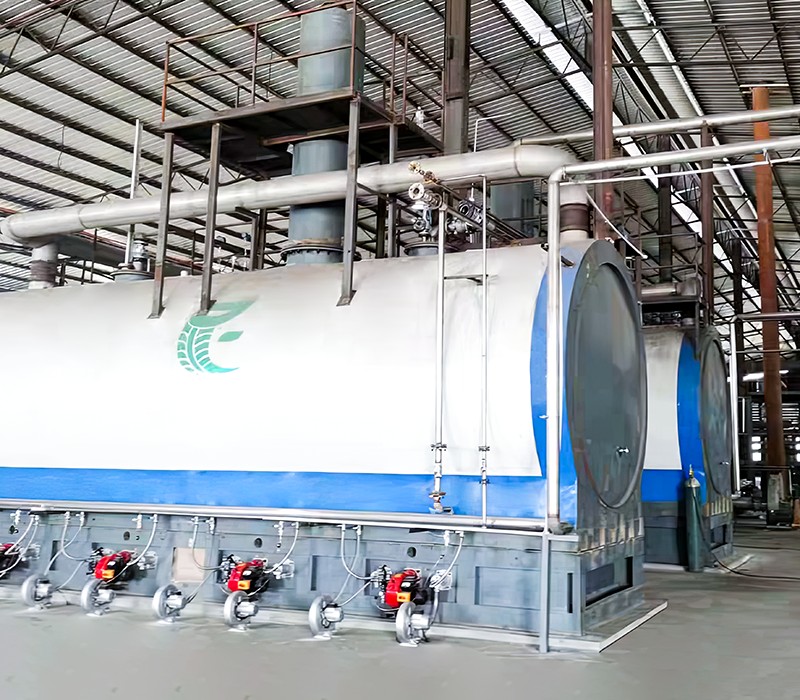
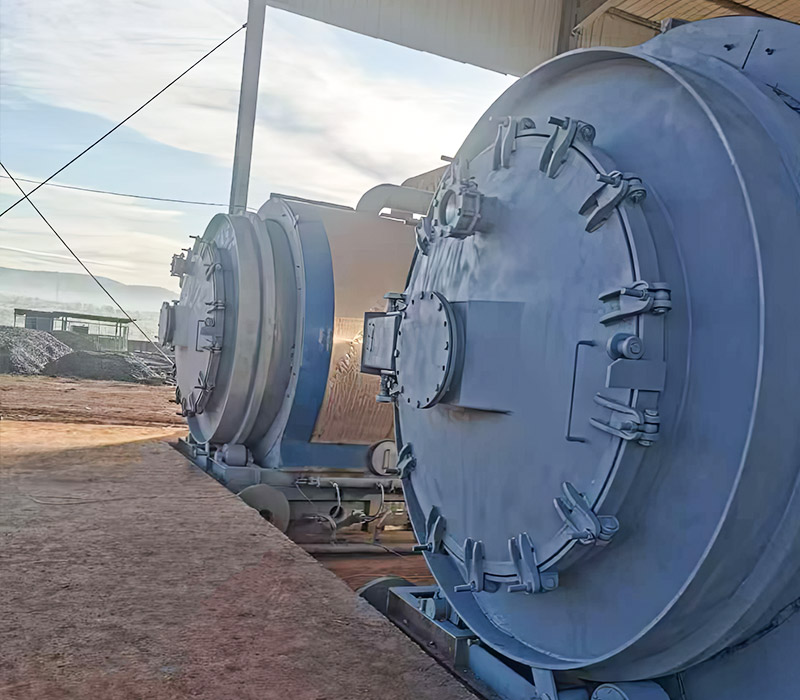
Follow the user manual and technical drawings to install the main components, including the reactor, condensing system, and combustion chamber.
Check the horizontal and vertical alignment after installing each component.
● Pipeline and Electrical Connections
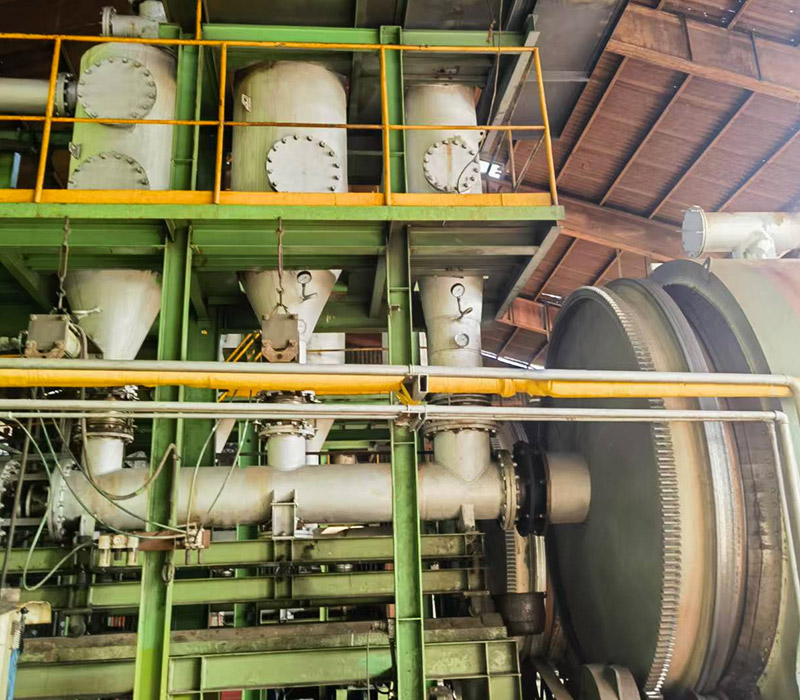
Connect the pipelines between equipment according to the process flow diagram, ensuring good sealing.
Install electrical wiring, paying special attention to grounding protection and labeling.
● Safety Inspection
Check whether all fasteners are secure and all connections are firm.
Ensure fire extinguishers and other safety equipment are complete and easily accessible.
3. System Commissioning
● Single Equipment Testing
Test each individual unit for functionality, such as the reactor's heating and the condenser's cooling performance.
Verify the accuracy of instruments and control systems.
● No-Load Operation
Start the system without feeding materials to observe for abnormal vibrations or noises.
● Trial Operation with Feedstock
Introduce a small amount of material as per operational procedures to test the overall system performance.
Adjust parameters such as temperature and pressure based on actual conditions.
● Data Recording and Optimization
Record data from the commissioning process to provide references for future production.
Optimize operational parameters based on test results to ensure production efficiency and safety.
Conclusion
The installation and commissioning of pyrolysis equipment are systematic processes that must strictly adhere to technical standards. Only after stable operation is achieved can the equipment be put into production, contributing to resource recovery and environmental protection.






Let's Pyrolysis!


 +44 7529 150720
  [email protected]
  300 meters east of the South Railway Station in Shangqiu City, Henan Province
  Global Waste-to-Energy Solutions Waste Resource Utilization Equipment Manufacturer

 Profit Calculator
 English
 русский
 Français
 Español
 عربى
عربى