
 5 minutes
Pyrolysis is a highly efficient method for waste treatment, transforming waste materials into valuable resources such as pyrolysis oil, carbon black, and non-condensable gases. However, heat loss during the process significantly affects efficiency and cost-effectiveness. Effective control of heat loss not only enhances energy efficiency but also reduces operational costs and environmental impacts. This article explores the sources of heat loss in pyrolysis and strategies for its control.
1. Major Sources of Heat Loss
● Equipment Design Flaws
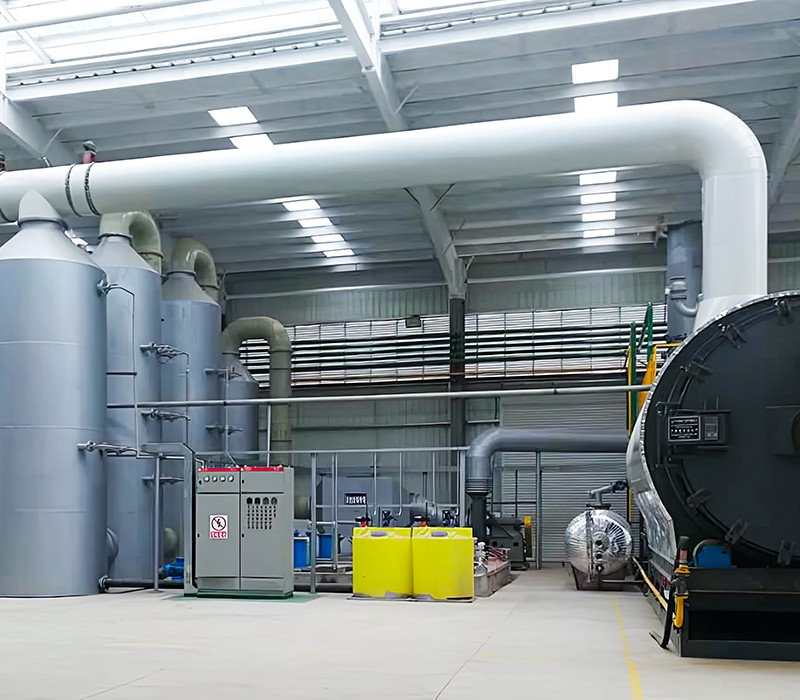
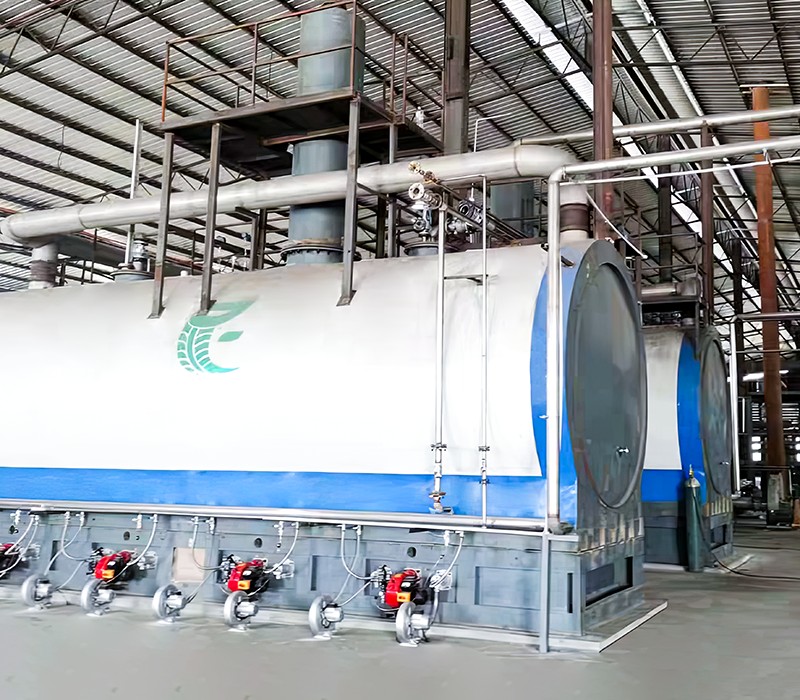
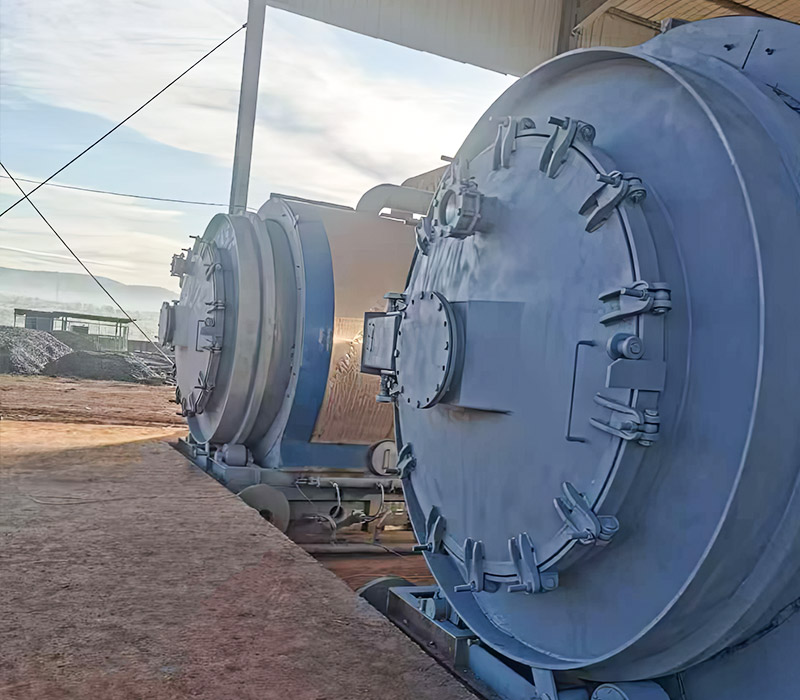
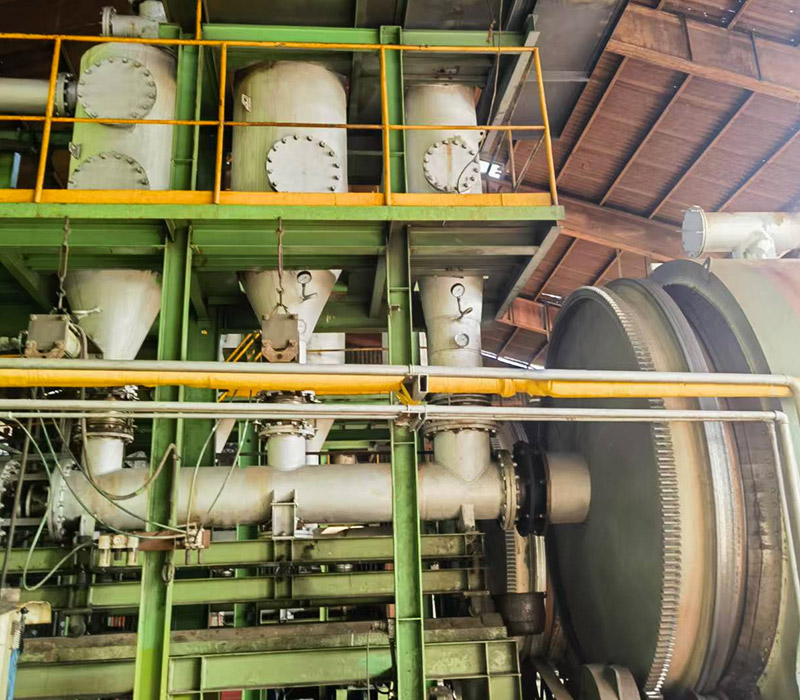
Poorly designed equipment may lead to heat loss from the surfaces of reactors, pipelines, and storage tanks, with inadequately insulated areas being the primary culprits.
● Low Heat Capacity of Raw Materials
Raw materials with high moisture or impurity content require additional energy for drying or decomposition, reducing overall thermal efficiency.
● Gas Leakage
Non-condensable gases produced during pyrolysis, if not efficiently recovered and utilized, contribute to energy waste.
● High Energy Consumption in Preheating
Significant energy is required during the initial preheating phase, and without proper recovery systems, this energy is often wasted.
2. Key Methods for Heat Loss Control
● Optimizing Equipment Design
1. Enhanced Insulation: Apply advanced insulating materials around reactors and pipelines to minimize heat dissipation.
2. Heat Recovery Systems: Use heat exchangers to recover thermal energy from exhaust gases and redirect it to preheat raw materials or air.
● Improving Raw Material Quality
1. Moisture Reduction: Pre-treat raw materials through drying or dewatering to lower additional heating demands.
2. Purification: Select clean materials to improve pyrolysis reaction efficiency.
● Efficient Utilization of Non-Condensable Gases
1. Recycle non-condensable gases as fuel to heat the reactor, reducing reliance on external energy sources.
2. Equip the system with gas purification units to ensure pollutant-free combustion.
● Smart Temperature Control
1. Real-Time Monitoring: Use sensors to track temperature changes in reactors and pipelines for precise heat management.
2. Dynamic Adjustment: Adjust heating time and temperature based on raw material characteristics to minimize unnecessary heat loss.
● Enhanced Preheating Processes
1. Implement staged preheating techniques to distribute energy usage efficiently.
2. Incorporate renewable energy sources like solar energy to provide clean energy for preheating.
Conclusion
Controlling heat loss is essential for improving the efficiency and cost-effectiveness of pyrolysis technology. By optimizing equipment design, enhancing raw material quality, efficiently utilizing non-condensable gases, and refining preheating processes, heat loss can be significantly reduced, maximizing energy efficiency. As technology advances and automation improves, heat loss control will play a crucial role in supporting the sustainable development of the pyrolysis industry






Let's Pyrolysis!


 +44 7529 150720
  [email protected]
  300 meters east of the South Railway Station in Shangqiu City, Henan Province
  Global Waste-to-Energy Solutions Waste Resource Utilization Equipment Manufacturer

 Profit Calculator
 English
 русский
 Français
 Español
 عربى
عربى