
 3 minutes
1. Fire and Explosion Risks
During the pyrolysis process, high temperatures and flammable gases such as hydrogen, methane, and carbon monoxide are generated. If these gases are not properly contained or managed, they can lead to fire or explosion hazards. To mitigate these risks, it is essential to implement strict temperature control, use explosion-proof equipment, and ensure proper ventilation. Regular inspections and monitoring of gas concentrations in critical areas can further reduce the chances of accidents.
2. Chemical Exposure and Toxic Emissions
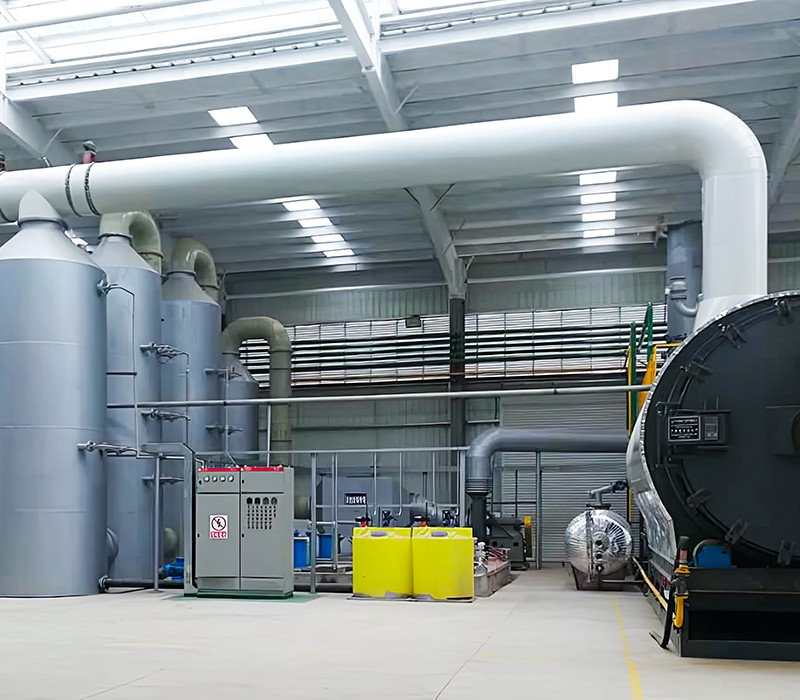
Pyrolysis processes often involve the decomposition of materials that may release hazardous chemicals, such as volatile organic compounds (VOCs) or polycyclic aromatic hydrocarbons (PAHs). Exposure to these substances can pose health risks to workers and nearby communities. Preventive measures include using advanced gas treatment systems, such as scrubbers and filters, to capture and neutralize toxic emissions. Additionally, providing workers with personal protective equipment (PPE) and proper training on handling chemicals ensures a safer working environment.
3. Mechanical and Operational Failures
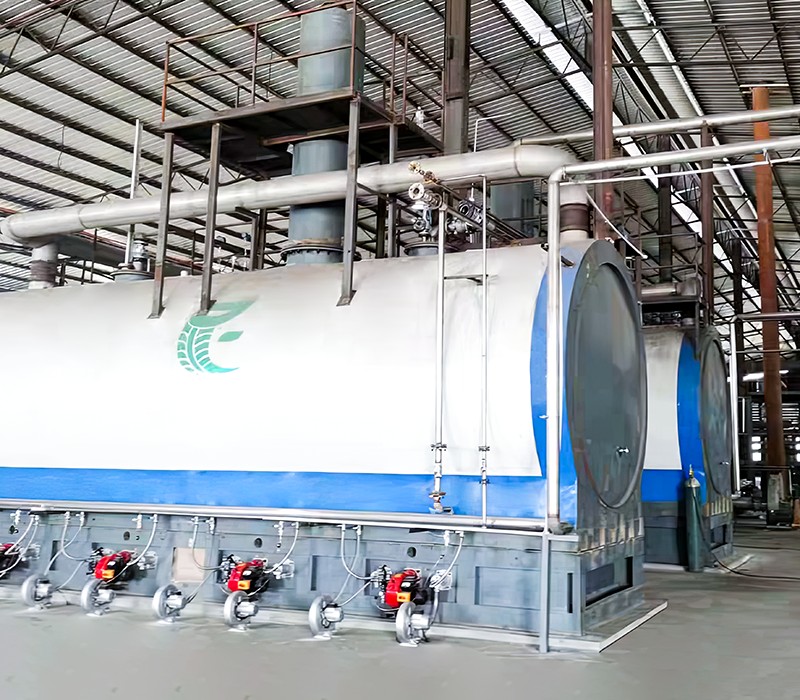
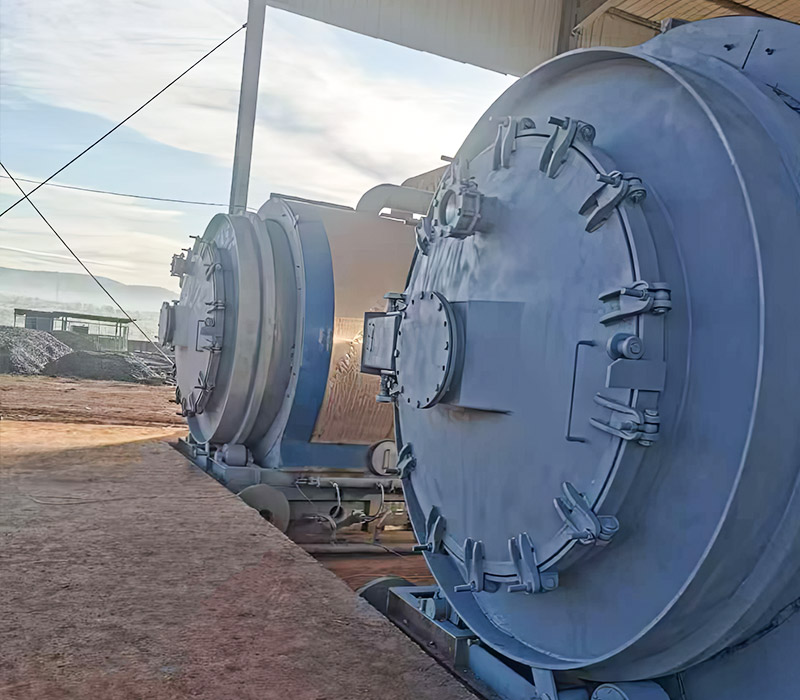
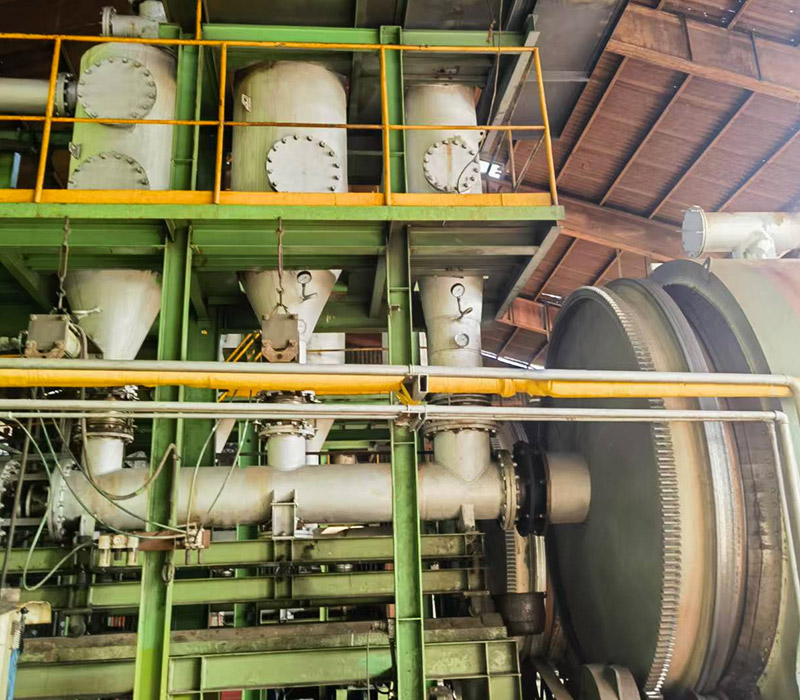
Mechanical failures, such as leaks, pipe blockages, or malfunctioning equipment, can pose significant risks in pyrolysis facilities. These issues may disrupt operations and potentially lead to hazardous situations, such as uncontrolled pressure buildup or spillage of hot materials. Regular maintenance, timely equipment upgrades, and adherence to operational protocols are vital for minimizing these risks. Establishing emergency response plans and conducting periodic safety drills further enhance preparedness and safety in the pyrolysis process.






Let's Pyrolysis!


 +44 7529 150720
  [email protected]
  300 meters east of the South Railway Station in Shangqiu City, Henan Province
  Global Waste-to-Energy Solutions Waste Resource Utilization Equipment Manufacturer

 Profit Calculator
 English
 русский
 Français
 Español
 عربى
عربى