
 3 minutes
1. Advancements in Efficiency and Sustainability
The future of pyrolysis technology lies in its continued evolution towards greater efficiency and sustainability. Advances in process optimization are expected to increase the yield of valuable products such as bio-oil, syngas, and carbon black, while reducing energy consumption and environmental impact. Researchers are also working on enhancing the scalability of pyrolysis systems, making it more cost-effective for large-scale operations. As the demand for sustainable waste management and renewable energy solutions grows, the pyrolysis industry will play an increasingly pivotal role in creating a circular economy and reducing reliance on fossil fuels.
2. Integration with Renewable Energy Systems
In the coming years, pyrolysis technology is likely to be more integrated with renewable energy systems. The syngas produced during pyrolysis can be used as a clean fuel for power generation, while bio-oil can be converted into biofuels for transportation. Pyrolysis plants could be designed to work in tandem with solar or wind energy systems, providing a continuous energy source even when renewable energy output is intermittent. This synergy between pyrolysis and renewable energy could significantly contribute to global efforts to decarbonize the energy sector and reduce greenhouse gas emissions.
3. Broader Applications Across Industries
As pyrolysis technology continues to improve, its applications are likely to expand beyond waste management and energy production. In the future, pyrolysis could be used in agriculture for producing soil amendments and fertilizers from organic waste. Additionally, the biochar produced during pyrolysis is being explored for its ability to improve soil fertility and sequester carbon. Furthermore, industries such as construction and automotive could benefit from the use of pyrolysis-derived products, like carbon black and biochar, in manufacturing processes. This broadening of applications makes pyrolysis a promising technology for addressing multiple global challenges, from waste disposal to climate change.

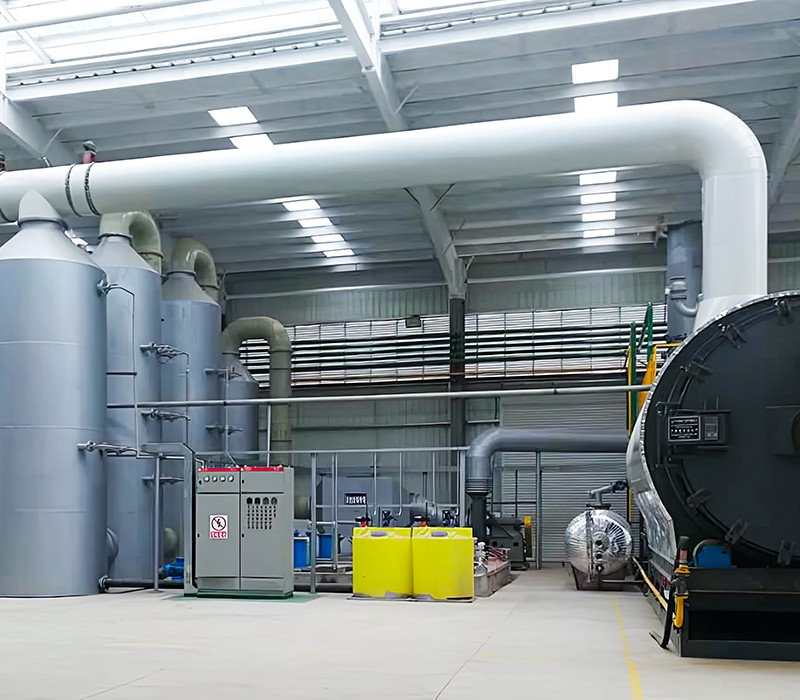
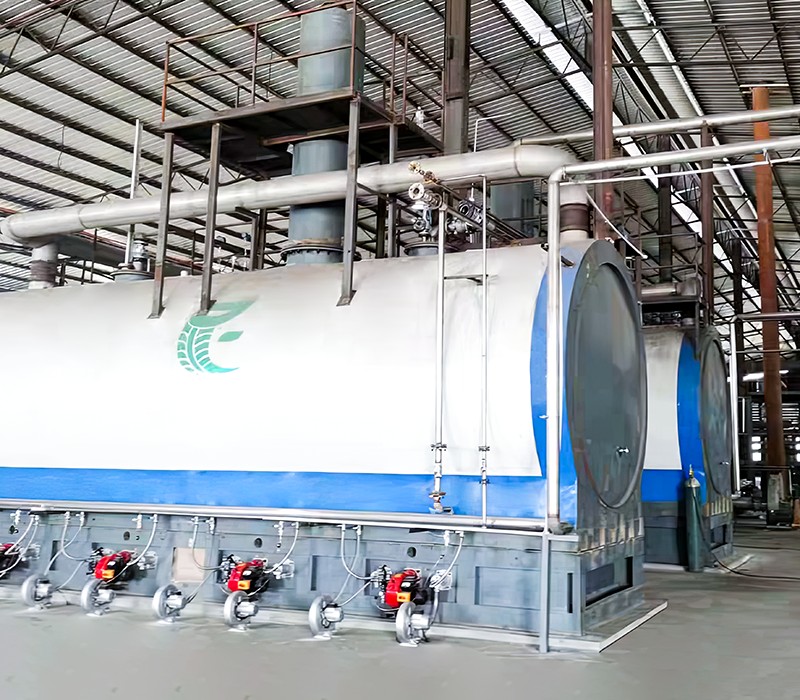


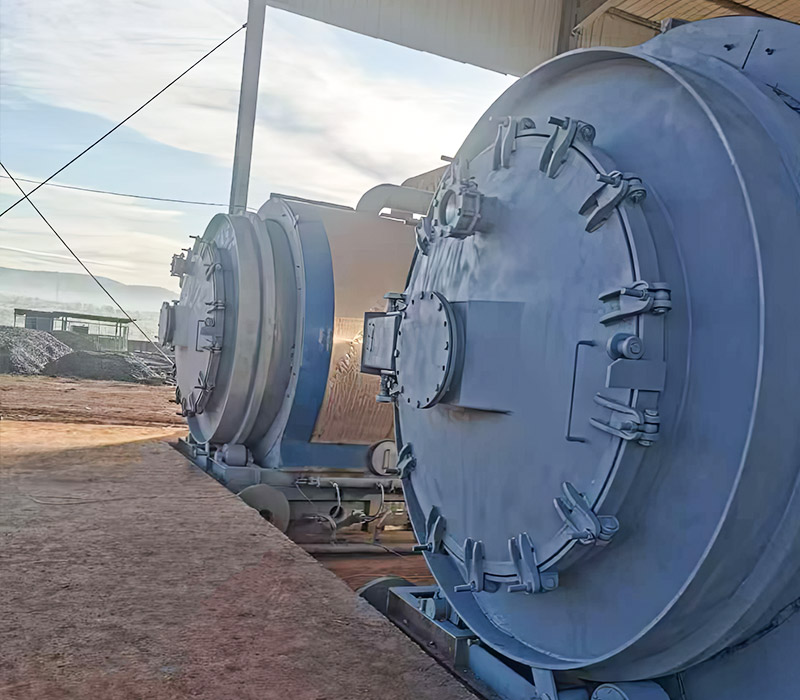
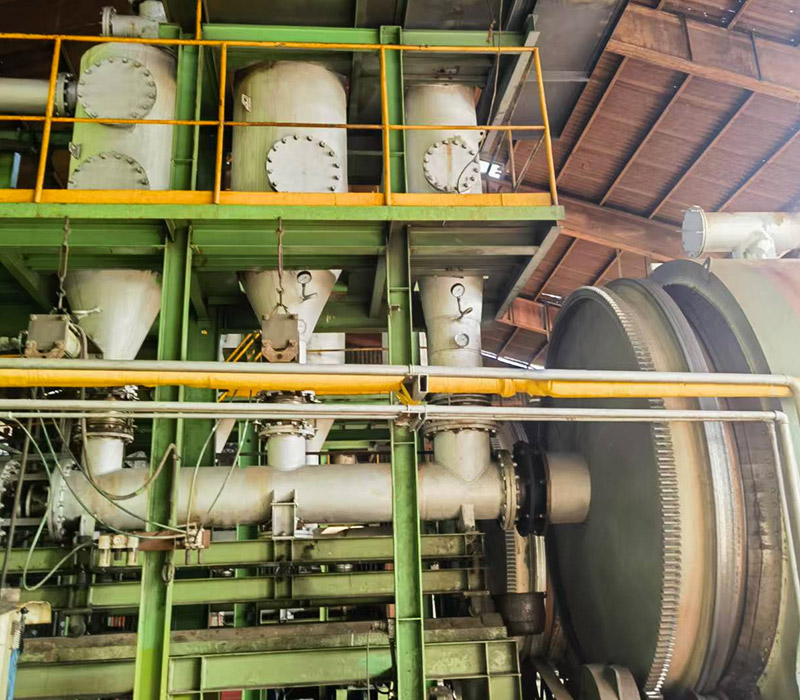



Let's Pyrolysis!


 +44 7529 150720
  [email protected]
  300 meters east of the South Railway Station in Shangqiu City, Henan Province
  Global Waste-to-Energy Solutions Waste Resource Utilization Equipment Manufacturer

 Profit Calculator
 English
 русский
 Français
 Español
 عربى
عربى