
 5 minutes
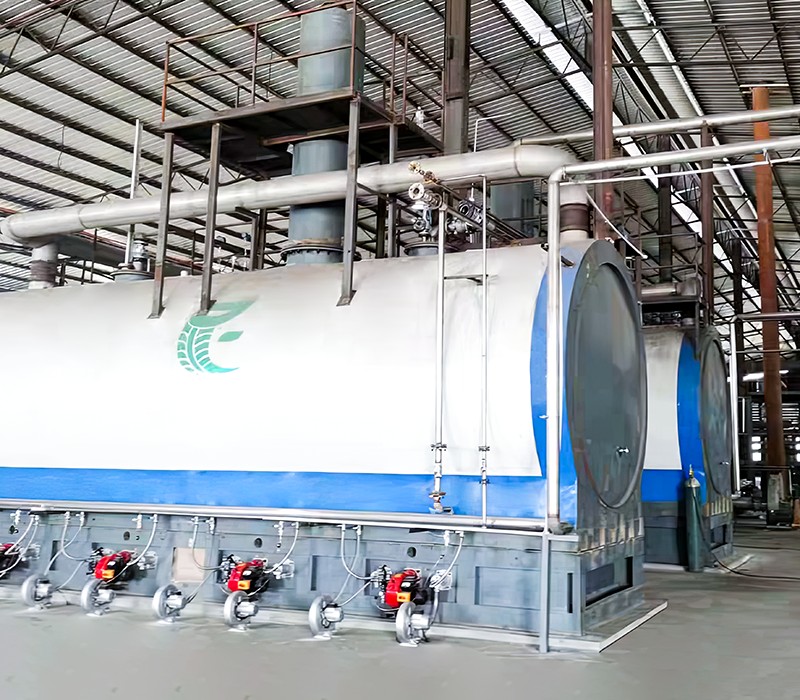
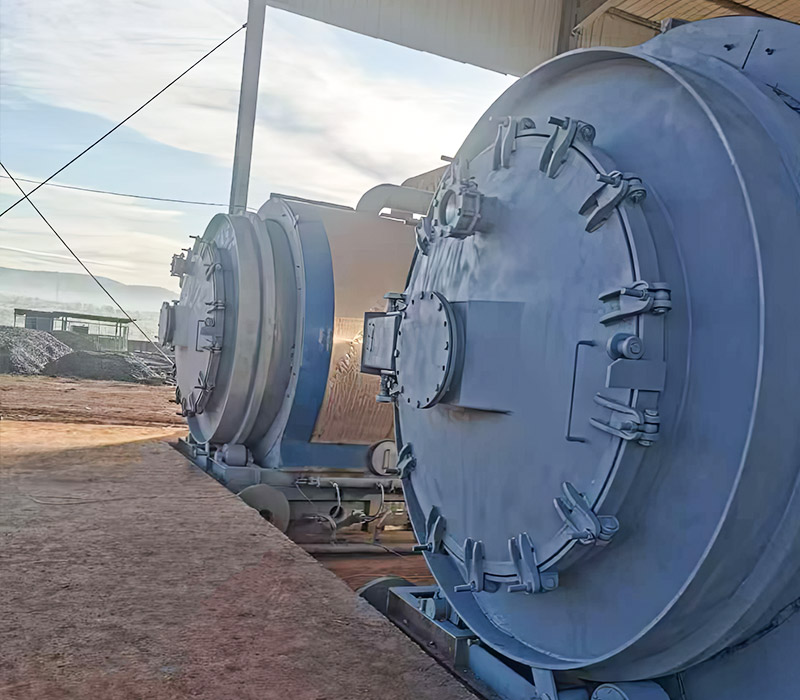
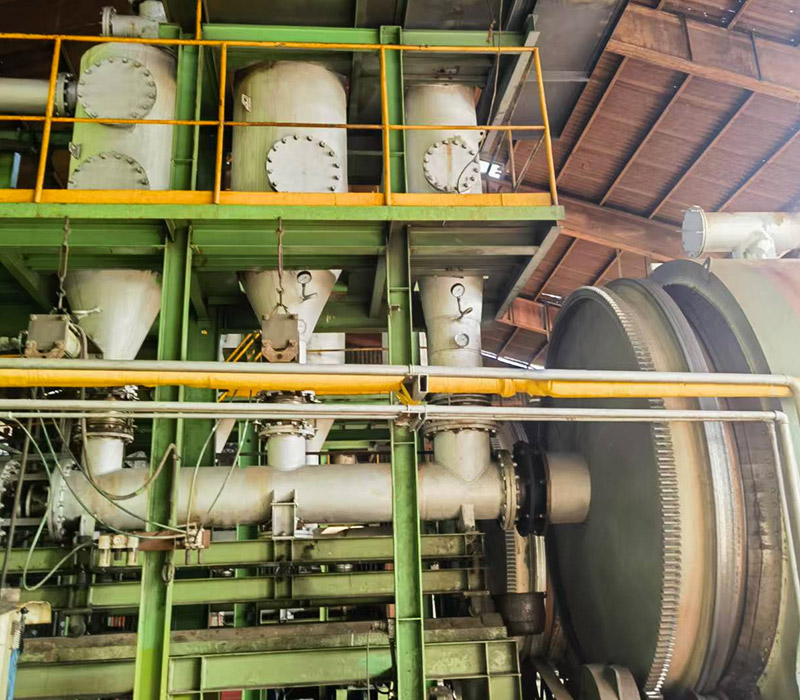
Pyrolysis technology, as an efficient method for waste treatment, has garnered significant attention worldwide in recent years. By heating solid waste like used tires and plastics in an oxygen-free or inert atmosphere, pyrolysis converts these materials into reusable oil, gas, and carbon-based products with high added value. This process not only mitigates the environmental hazards of waste but also offers new pathways for resource recycling. However, as the pyrolysis industry grows rapidly, the need for evaluating and regulating its environmental performance becomes increasingly important, giving rise to environmental certification standards.
The Importance of Environmental Certification Standards
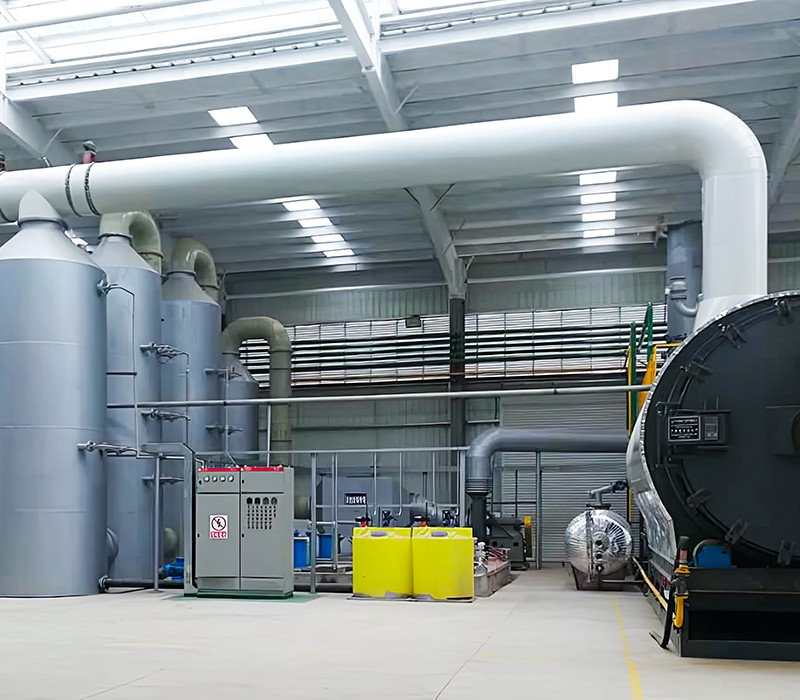
Environmental certification standards are critical tools for ensuring the sustainable development of the pyrolysis industry. These standards focus on assessing the environmental performance of pyrolysis equipment and processes to minimize their environmental impact. Key areas of concern include:
1. Emission Control: Evaluating the treatment of waste gas, wastewater, and solid residues during pyrolysis to ensure compliance with national or international environmental regulations.
2. Energy Efficiency: Monitoring the energy utilization efficiency of pyrolysis equipment, encouraging the adoption of more efficient technologies to reduce carbon footprints.
3. Product Quality and Safety: Ensuring that the oil, gas, and carbon products generated through pyrolysis meet reuse standards and prevent secondary pollution.
4. Operational Safety: Auditing the safety features of equipment, including explosion-proof designs, airtightness, and emergency handling measures, to avoid environmental risks during production.
Common Environmental Certification Standards
Various countries and regions have developed specific environmental certification standards based on their environmental regulations and technical requirements. Below are some representative certification systems:
● EU CE Certification: A prerequisite for entering the European market, CE certification ensures that pyrolysis equipment meets multiple criteria for environmental protection, operational safety, and product performance.
● ISO14001 Environmental Management System: This international standard outlines how organizations can establish effective environmental management systems and continuously improve their environmental performance.
● US EPA Certification: The Environmental Protection Agency (EPA) in the United States mandates strict emission standards for waste treatment equipment, particularly for dioxins and nitrogen oxides.
● China Environmental Product Certification: This certification focuses on assessing compliance with China's environmental regulations and encourages enterprises to develop green technologies.
The Future of Certification
As global attention on sustainable development intensifies, environmental certification standards in the pyrolysis industry will become more refined and internationalized. For instance, integrating artificial intelligence and IoT technologies into equipment monitoring could enable real-time tracking and optimization of environmental performance. Additionally, mechanisms for mutual recognition of certifications across countries will facilitate access to global markets for pyrolysis enterprises.
Conclusion
Environmental certification standards serve not only as a "navigator" for the development of the pyrolysis industry but also as a vital driver of technological advancement and the green economy. By continuously optimizing and rigorously implementing these standards, pyrolysis technology will make even greater contributions to global environmental protection.






Let's Pyrolysis!


 +44 7529 150720
  [email protected]
  300 meters east of the South Railway Station in Shangqiu City, Henan Province
  Global Waste-to-Energy Solutions Waste Resource Utilization Equipment Manufacturer

 Profit Calculator
 English
 русский
 Français
 Español
 عربى
عربى