
 5 minutes
With the growing global awareness of environmental protection, research and application of alternative energy sources have gained increasing attention. Pyrolysis oil, a new type of energy product, has gradually gained favor in the industrial sector in recent years. This article will compare pyrolysis oil with traditional fuels in several aspects to help people better understand their similarities, differences, and advantages.
What is Pyrolysis Oil?
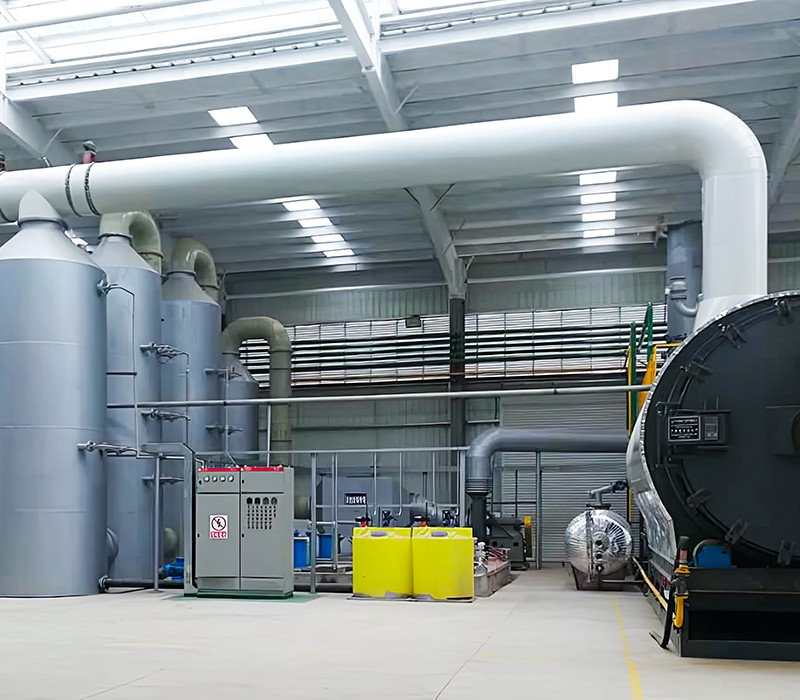
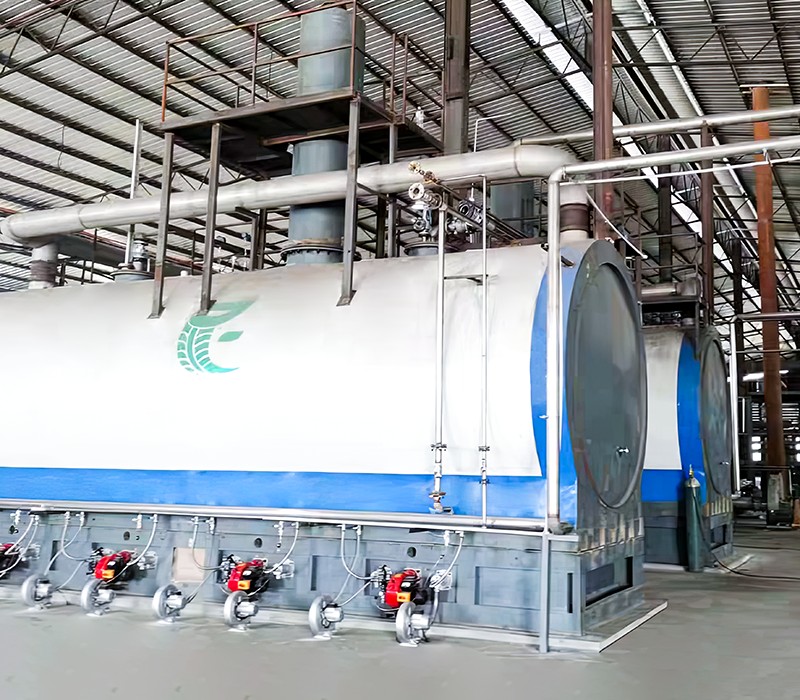
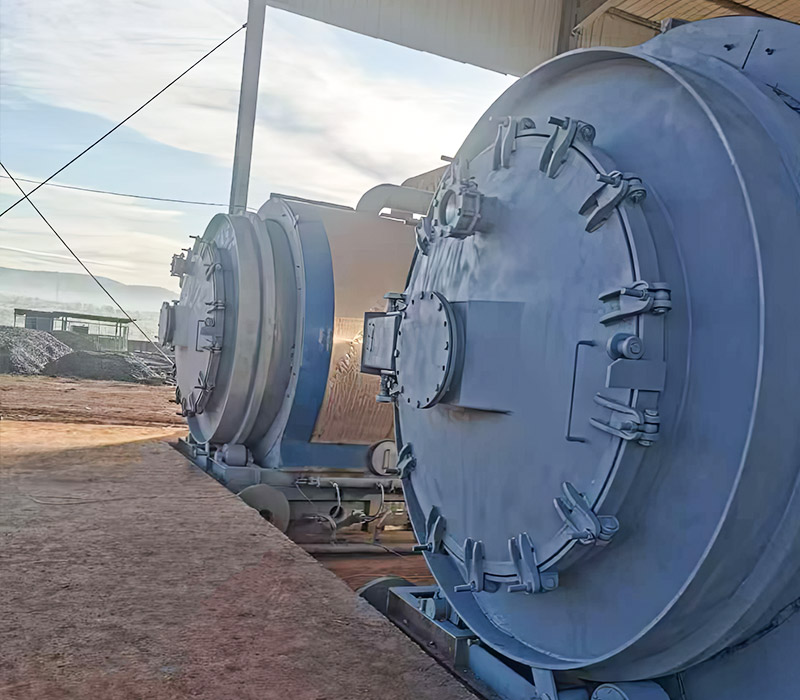
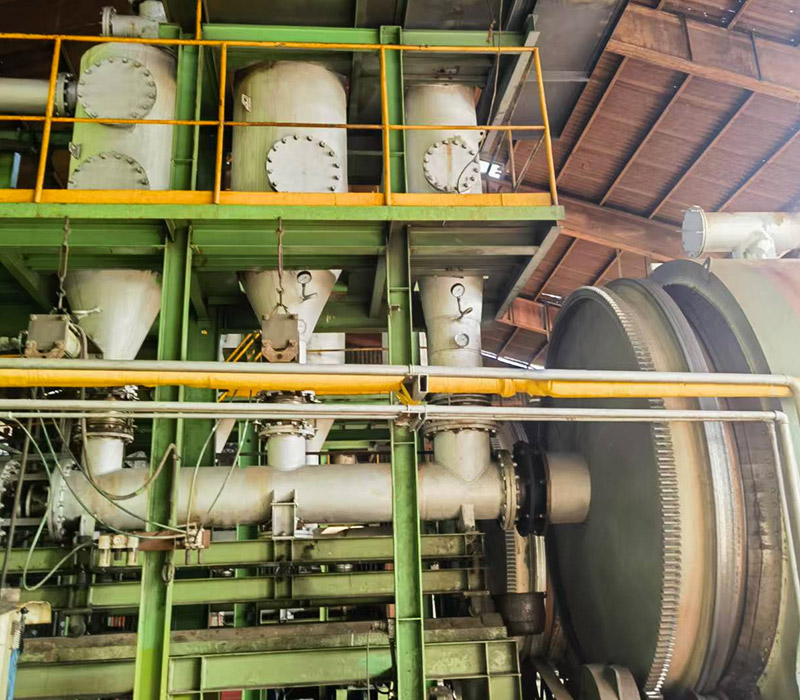
Pyrolysis oil is a liquid energy source produced through pyrolysis technology, which processes organic materials (such as waste tires, plastics, waste oil sludge, etc.) under high temperatures, low oxygen, or inert gas conditions. During pyrolysis, the molecular structure of the raw materials is broken down, resulting in oil, gas, carbon black, and other products.
Pyrolysis oil is rich in hydrocarbons and can be further refined into diesel, gasoline, and other fuels.
Comparison Between Pyrolysis Oil and Traditional Fuels
1. Raw Material Source
● Pyrolysis Oil: The raw materials for pyrolysis oil are diverse, including waste tires, plastics, waste oil sludge, agricultural and forestry waste, and even municipal garbage. These materials are typically considered waste in traditional energy sectors, but through pyrolysis technology, they can be recycled and converted into valuable energy.
● Traditional Fuels: Traditional fuels like oil, coal, and natural gas are primarily derived from natural resources. These resources are limited, and their extraction process can cause significant environmental impact.
2. Environmental Friendliness
● Pyrolysis Oil: The production process of pyrolysis oil is more environmentally friendly compared to traditional fuels. By using waste as raw material, pyrolysis oil facilitates waste recycling and reduces environmental pollution. Additionally, the production process of pyrolysis oil produces relatively low carbon dioxide emissions, helping to mitigate greenhouse gas emissions.
● Traditional Fuels: The extraction, transportation, and combustion of traditional fuels like oil and natural gas release large amounts of carbon dioxide and other harmful gases, which negatively affect air quality and contribute to climate change.
3. Energy Conversion Efficiency
● Pyrolysis Oil: The energy density of pyrolysis oil is comparable to that of traditional fuels, and in some cases, it has higher combustion efficiency. After further refining and processing, pyrolysis oil can be converted into various fuels, such as diesel, gasoline, and aviation fuel, which makes it adaptable to multiple markets.
● Traditional Fuels: Traditional fuels have a high energy density and a long history of use, with mature technologies and high combustion efficiency. However, as resources deplete, the cost of acquiring traditional fuels is gradually increasing.
4. Economic Considerations
● Pyrolysis Oil: Since the raw materials for pyrolysis oil often come from waste, the production cost is relatively low. Moreover, the products derived from pyrolysis oil can be converted into various fuels, adding high value. With ongoing technological advancements, the production cost of pyrolysis oil is expected to decrease further.
● Traditional Fuels: The extraction and transportation costs of traditional fuels are high, and as resources become scarcer, the price of traditional fuels is expected to rise. For many countries and regions, reliance on imported oil creates energy security risks.
5. Sustainability
● Pyrolysis Oil: As a renewable energy source, pyrolysis oil can rely on local waste resources, reducing dependency on limited natural resources. Pyrolysis oil not only contributes to environmental protection but also provides a sustainable energy supply for industrial production.
● Traditional Fuels: Traditional fuels are not sustainable, as resources like oil and natural gas are finite and cannot meet long-term demand. With the global energy crisis intensifying, finding sustainable alternative energy sources is becoming urgent.
Conclusion
As a new type of alternative energy, pyrolysis oil offers multiple advantages, including environmental friendliness, economic viability, and sustainability. It not only addresses waste disposal issues but also provides a reliable supplement to the energy market. In the future energy transition, pyrolysis oil will undoubtedly play an important role. However, traditional fuels remain the main source of energy worldwide, and further promotion and technological innovation of pyrolysis oil are needed to expand its application and replace traditional fuels, contributing to human sustainable development.






Let's Pyrolysis!


 +44 7529 150720
  [email protected]
  300 meters east of the South Railway Station in Shangqiu City, Henan Province
  Global Waste-to-Energy Solutions Waste Resource Utilization Equipment Manufacturer

 Profit Calculator
 English
 русский
 Français
 Español
 عربى
عربى