

Content
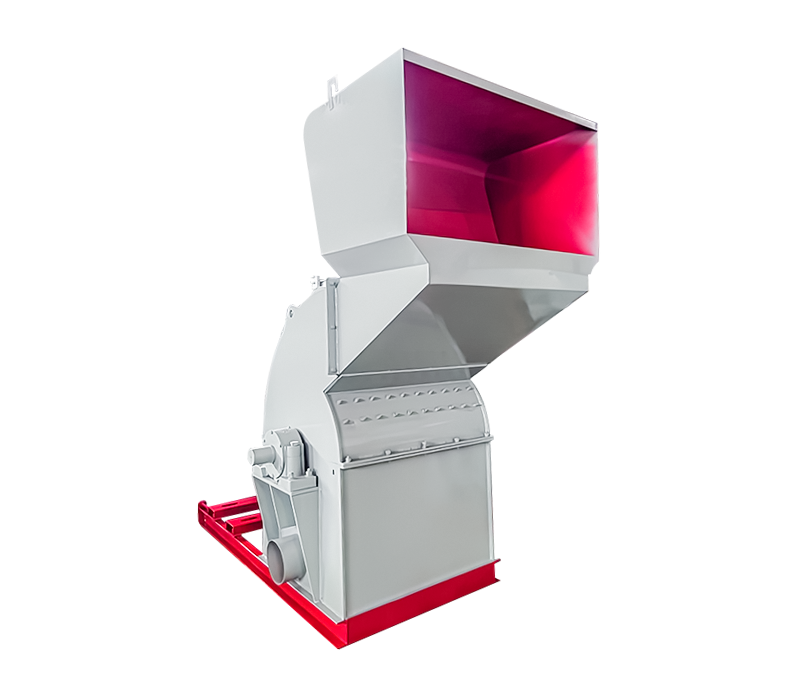
Tyre shredders are specialized machines designed to break down end-of-life tyres into smaller, manageable pieces. These machines play a crucial role in recycling and waste management by reducing the volume of waste tyres sent to landfills. With millions of tyres discarded annually worldwide, tyre shredders offer an effective solution to mitigate environmental pollution, conserve space in landfills, and enable the reuse of rubber materials for various industrial applications.
Beyond waste reduction, tyre shredders contribute to sustainable practices by transforming discarded tyres into usable products such as rubber mulch, fuel, and raw materials for asphalt or playground surfaces. Their adoption is increasingly important as governments and industries focus on minimizing environmental impact and promoting circular economy initiatives.
Tyre shredders use mechanical cutting, shearing, or grinding mechanisms to break down tyres into smaller sizes. Depending on the machine design, they can produce strips, chips, or crumb rubber suitable for different applications. Modern shredders feature robust blades, high-torque motors, and automated feed systems to efficiently process a wide variety of tyre types and sizes, including passenger, truck, and industrial tyres.
The tyre shredding process typically begins with feeding whole tyres into the machine, where cutting blades slice the rubber and steel belts into uniform pieces. The shredded output can vary from large chunks suitable for energy recovery to finely ground crumb rubber used in asphalt, playground surfaces, and molded products. This versatility ensures that nearly every part of a discarded tyre can be repurposed, minimizing waste.
The adoption of tyre shredders has significant environmental advantages. By diverting tyres from landfills, these machines help prevent soil and water contamination from tyre decomposition. Tyre fires, which release toxic fumes and heavy metals, are also minimized when proper shredding and storage practices are implemented.
Whole tyres occupy substantial space in landfills and are highly resistant to decomposition. Shredding tyres before disposal drastically reduces their volume, allowing more efficient use of landfill space. Additionally, shredded tyres can be used as drainage material in engineered landfills or as filler in construction projects, further reducing environmental strain.
Tyre shredders convert waste tyres into reusable materials such as crumb rubber, steel wire, and fibre. Crumb rubber finds applications in road surfacing, playgrounds, athletic tracks, and molded products, while steel recovered from tyres can be recycled for industrial purposes. This circular approach reduces reliance on virgin raw materials and conserves natural resources.
The shredded output from tyre shredders supports multiple industries, creating economic and environmental value. Key sectors include construction, landscaping, energy production, and manufacturing.
Shredded tyres can be incorporated into asphalt as rubberized asphalt, improving road durability and reducing noise pollution. Tyre chips also serve as lightweight aggregate in embankments, retaining walls, and drainage systems, providing sustainable alternatives to conventional materials.
Tyre-derived fuel (TDF) is another important application, where shredded tyres are used as a supplementary fuel source in cement kilns, paper mills, and power plants. This reduces dependency on fossil fuels while extracting energy from otherwise waste material.
Crumb rubber from shredded tyres is widely used for playground surfaces, sports fields, and landscaping mulch. This not only provides safe, durable, and shock-absorbing surfaces but also diverts tyres from landfills, contributing to environmental sustainability.
In addition to environmental advantages, tyre shredders offer economic benefits by creating marketable recycled products and reducing landfill fees. Many governments provide incentives or regulations that encourage tyre recycling, making investment in shredding technology both environmentally responsible and economically viable.
Shredding tyres before disposal reduces transportation and landfill costs due to lower volume. Moreover, selling shredded rubber, steel, and fibre generates additional revenue streams, offsetting operational expenses and supporting sustainable business practices.
Tyre shredding helps companies comply with stringent environmental regulations aimed at waste reduction, pollution control, and resource recovery. Proper shredding and recycling practices prevent legal penalties and reinforce corporate responsibility initiatives.
Tyre shredders provide clear advantages over traditional disposal methods, including landfill dumping and open burning:
| Aspect | Tyre Shredding | Traditional Disposal |
| Landfill Space | Reduced volume | High volume, inefficient |
| Pollution Risk | Low, controlled process | High, tyre fires and leachate |
| Resource Recovery | High, rubber, steel, fibre | Minimal or none |
| Economic Benefit | Revenue from recycled products | Costs for disposal only |
Tyre shredders are a vital technology for reducing environmental impact, minimizing landfill waste, and supporting the circular economy. By converting discarded tyres into reusable materials, these machines address both ecological and economic challenges associated with tyre disposal.
Investing in tyre shredding technology not only enhances sustainability but also creates new business opportunities, reduces regulatory risks, and improves supply chain efficiency. As tyre waste continues to grow globally, tyre shredders provide a practical, cost-effective, and environmentally responsible solution for modern industries.






Let's Pyrolysis!


 +44 7529 150720
  [email protected]
  300 meters east of the South Railway Station in Shangqiu City, Henan Province
  Global Waste-to-Energy Solutions Waste Resource Utilization Equipment Manufacturer

 Profit Calculator
 English
 русский
 Français
 Español
 عربى
عربى