
 10 minutes
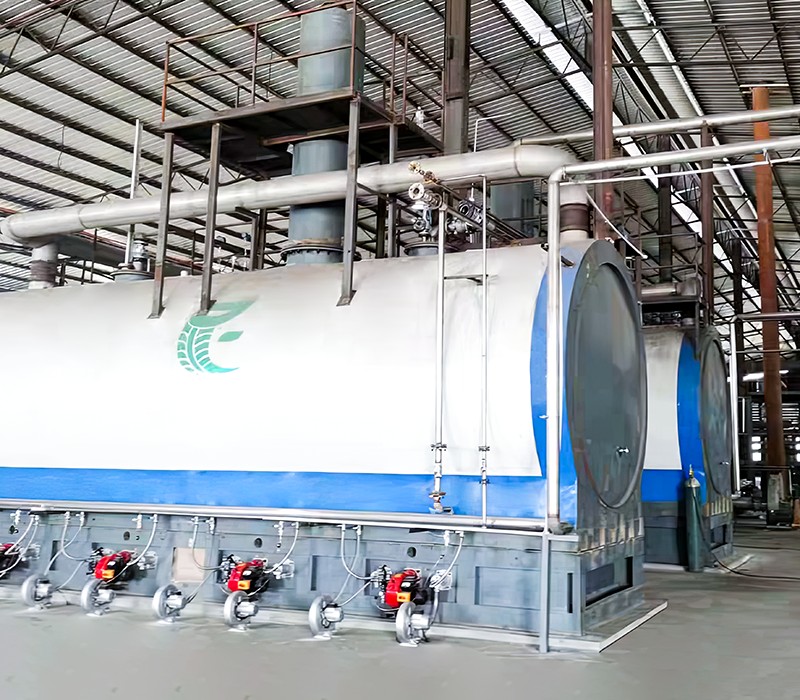
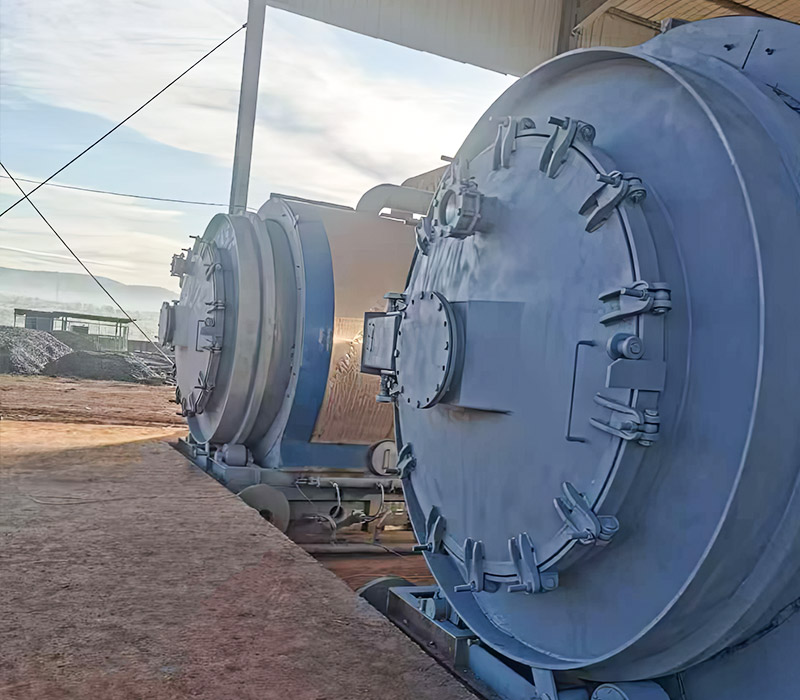
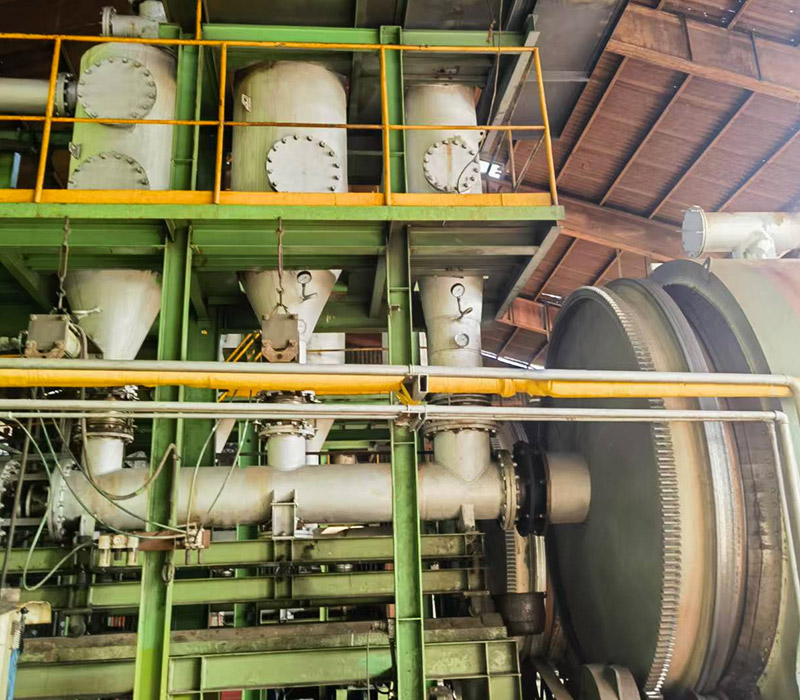
In 2025, Shangqiu Jinpeng Industrial Co., Ltd. (hereinafter referred to as "Jinpeng") successfully put into operation a high-efficiency waste tire recycling project in Binzhou, Shandong Province – a core city in the Yellow River Delta Efficient Ecological Economic Zone. Equipped with 4 sets of batch-type pyrolysis equipment (15 tons per unit per day), the project achieves a total daily processing capacity of 60 tons, annually converting approximately 21,600 tons of waste tires into high-value renewable resources. This key project not only addresses Binzhou’s pressing waste tire disposal challenge amid the booming automotive and recycling industries but also aligns with Shandong’s "Zero-Waste City" construction and Yellow River Delta ecological protection initiatives, setting a benchmark for sustainable waste management in North China’s industrial clusters.
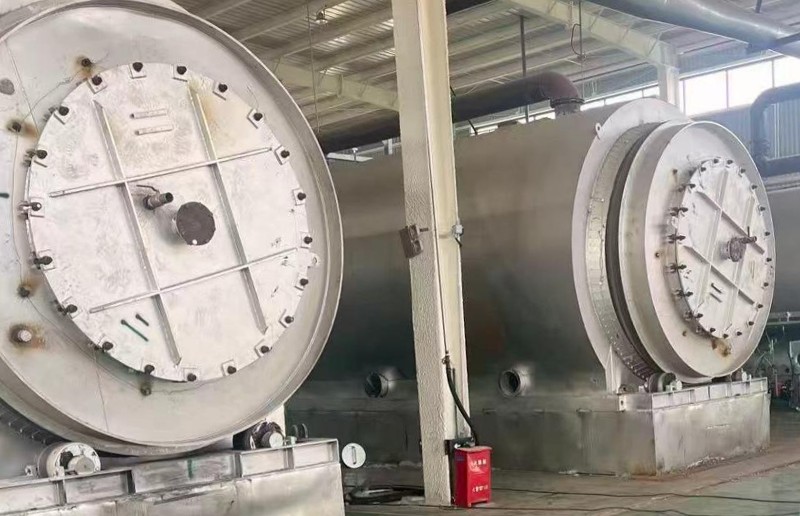
As an important node in Shandong’s circular economy industrial layout, Binzhou has witnessed rapid growth in waste tire generation driven by its thriving automobile manufacturing and waste vehicle dismantling sectors – the city’s annual recycling volume of six major renewable resources, including waste tires, increased by 9.18% in 2024 alone. Prior to the project, a large number of waste tires were traditionally landfilled or dumped illegally, posing severe threats to soil quality and ecological security while wasting valuable renewable resources. Jinpeng’s customized solution was selected for its outstanding environmental compliance, cost-effectiveness, and adaptability to regional industrial needs, perfectly matching the requirements of medium-scale waste recycling projects in industrial-intensive areas.
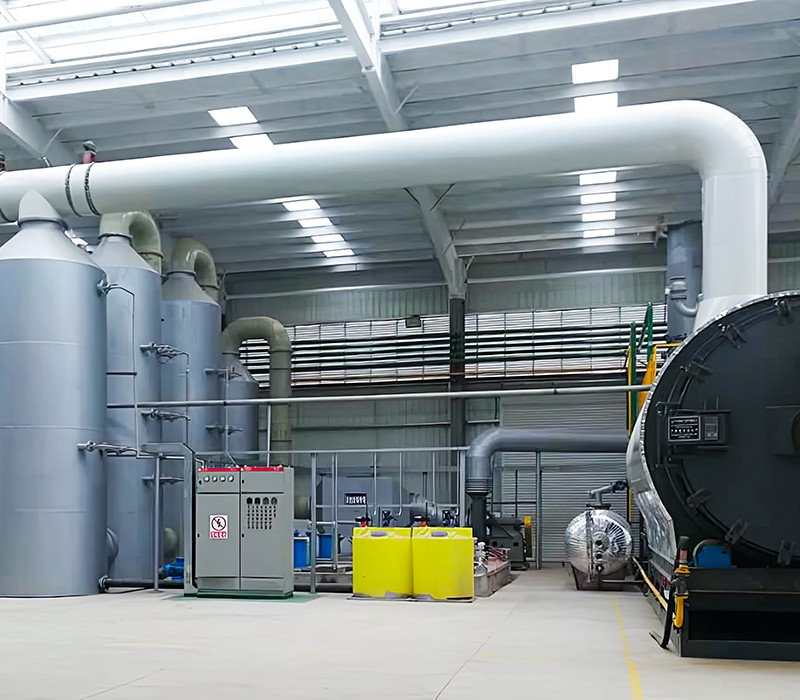
Each of the 4 batch-type pyrolysis units adopts Jinpeng’s mature low-temperature micro-negative pressure technology, ensuring efficient and stable conversion with minimal environmental impact. The process seamlessly transforms waste tires into four high-quality products with clear market outlets:
● Pyrolysis Oil: A premium fuel with a calorific value of 9,200-9,500 kcal/kg and low sulfur content (≤0.5%), it is supplied to petrochemical enterprises and industrial boiler users in Shandong’s Dongying and Zibo chemical clusters, serving as a high-quality alternative to traditional fossil fuels .
● Carbon Black: With ash content ≤8%, the product is refined into rubber-grade and filling-grade carbon black, widely used in tire manufacturing, asphalt modification, and black masterbatch production – perfectly catering to the strong demand for cost-effective virgin carbon black alternatives in Shandong’s rubber industry .
● Steel Wire: Recovered with high purity and no impurities, it is sold to local steel recycling enterprises and steel shot manufacturers in Binzhou, realizing full recycling of metal resources.
● Non-Condensable Gas(Syngas): After purification and desulfurization, the gas is recycled as fuel for the pyrolysis reactors, reducing external energy consumption by 30% and forming an energy-efficient closed-loop system that aligns with Binzhou’s green low-carbon development goals.
The project delivers remarkable economic and environmental benefits. Environmentally, it reduces annual CO₂ emissions by approximately 60,000 tons compared to virgin resource production, eliminates waste tire landfill, and conserves precious land resources – making a significant contribution to the Yellow River Delta’s ecological protection 广饶县人民政府. Economically, it creates over 30 local jobs in operation, maintenance, and product sales, while the high-value end products tap into Shandong’s robust market demand for recycled energy and materials, generating stable revenue for the client . As a model project for Binzhou’s "Zero-Waste City" construction, it vividly demonstrates how waste recycling can synergize ecological progress with economic development.
As a global leader in waste resource recycling equipment, Shangqiu Jinpeng Industrial Co., Ltd. leverages over 16 years of R&D experience to deliver tailored solutions worldwide. The Binzhou project joins our growing portfolio of successful waste tire recycling facilities across China and Southeast Asia, including Heze, Yangquan, and Malaysia. Our batch-type and continuous pyrolysis technologies are designed to adapt to diverse regional needs, from industrial cities to eco-sensitive areas.






Let's Pyrolysis!


 +44 7529 150720
  [email protected]
  300 meters east of the South Railway Station in Shangqiu City, Henan Province
  Global Waste-to-Energy Solutions Waste Resource Utilization Equipment Manufacturer

 Profit Calculator
 English
 русский
 Français
 Español
 عربى
عربى